


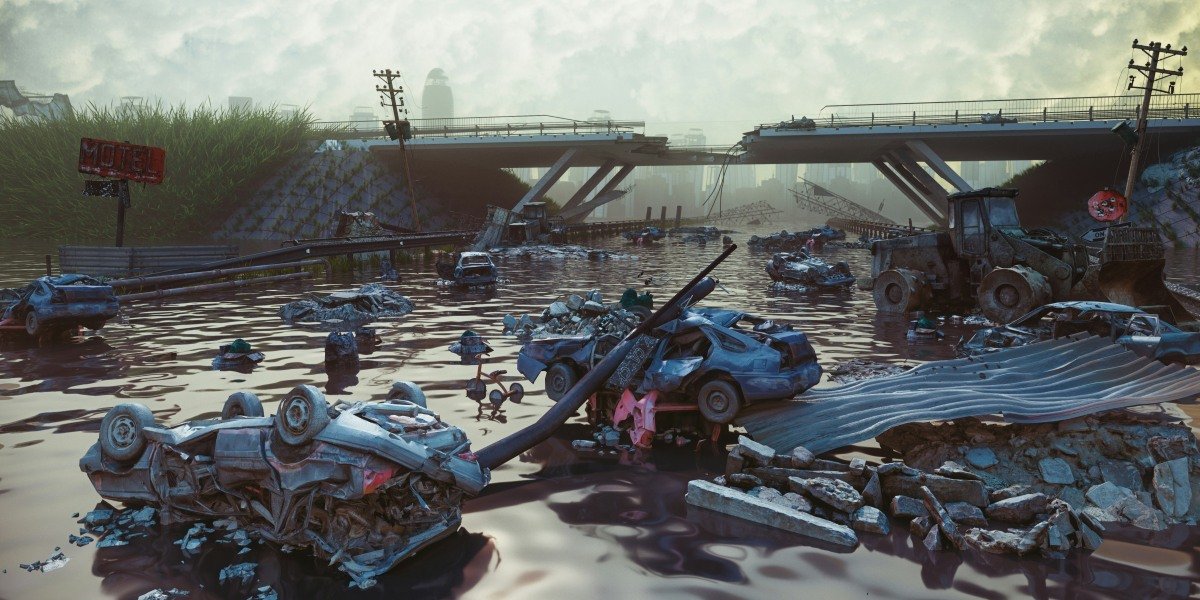
A powerful Pacific storm system is currently impacting the United States, bringing heavy rain and severe flash flood risks to several regions. California is experiencing the most immediate danger, while rising river levels in the Midwest and South are creating long-term flooding concerns.
Flash floods are particularly dangerous because they occur with very little warning. When heavy rain falls on saturated ground or in areas with poor drainage, water levels can rise in minutes. This is currently the primary concern for officials as they monitor weather patterns across the country.
California Faces Severe Weather Conditions
Southern and Central California are in the path of a significant “atmospheric river” event. This weather system carries a high concentration of moisture from the Pacific Ocean directly to the West Coast. On February 16 and 17, 2026, millions of people in the Los Angeles area have faced active flash flood warnings.
One of the most concerning aspects of this storm is its impact on “burn scars”—areas previously damaged by wildfires. In these locations, the soil cannot absorb water effectively because the vegetation has been destroyed. This creates a high risk for mudslides and debris flows. Local officials in Los Angeles and Santa Barbara counties have issued evacuation warnings for neighborhoods near these burn areas to ensure resident safety.
In urban centers, the heavy rainfall has overwhelmed drainage systems, leading to significant street flooding. Major roads and intersections have become impassable, and emergency services are working to clear debris and assist stranded motorists.
River Flooding in the Midwest and South
While the West Coast deals with rapid flash flooding, other states are managing slower-moving river floods. These floods are often caused by a combination of recent heavy rain and melting snow from earlier in the season.
Active Flood Warnings by Region
Several states are currently monitoring high water levels in major river systems:
| State | River System | Forecasted Impact |
| Indiana | East Fork White River | Minor flooding of agricultural lands through Tuesday afternoon. |
| Arkansas | Cache River | Minor flooding of swampy timberlands expected to crest Tuesday evening. |
| Texas | Sabine River | Moderate flooding in rural areas, with water levels expected to recede by mid-week. |
In Indiana, the National Weather Service issued a warning for the East Fork White River at Seymour. The water is expected to reach a height that covers local farm fields and some rural roads. In Arkansas, the Cache River near Patterson is also rising, which can disrupt logging and other industrial activities in the surrounding forests.
How Flash Flood Warnings Work
It is important for the public to understand the difference between a “watch” and a “warning.” A flood watch means that the weather conditions are right for a flood to happen. People should stay alert and check for updates. A flash flood warning means that a flood is already happening or is about to happen very soon.
If a warning is issued for an area, the most important rule is to avoid driving through any water on the road. Most flood-related deaths occur when people try to drive through flooded areas. Even a small amount of moving water is strong enough to push a car off the road. This is why safety officials often use the phrase “Turn Around, Don’t Drown.”
The Outlook for the Rest of the Week
The current weather pattern is expected to stay active for several more days. In California, a second storm system is forecast to arrive late Tuesday night and continue into Wednesday. This is particularly dangerous because the ground is already soaked from the previous rain. Any additional precipitation will immediately run off, potentially creating new flash floods in areas that were previously safe.
In the Midwest and South, the rivers will take more time to return to their normal levels. Because the water has to travel a long distance to reach the ocean, these floods can last for several days even after the rain stops.
Emergency management agencies across the United States are working together to monitor these risks. They use satellite data and ground sensors to track the water and provide the public with the most accurate information possible. Staying informed through official weather channels is the best way for individuals to protect themselves and their property during these severe weather events.
Would you like me to look up the specific flood safety guidelines for your local county or city?