

The Supplemental Nutrition Assistance Program (SNAP) plays a vital role in supporting millions of Americans. With the introduction of new 2026 SNAP restrictions, however, significant changes are coming to what foods recipients can purchase with their benefits. These restrictions are set to affect various states differently, leaving many wondering what items are now off-limits in their area. Let’s break down the new SNAP food restrictions and what they mean for families across the nation.
What Are the New SNAP Restrictions for 2026?
The most notable change under the new 2026 SNAP restrictions is the focus on limiting access to certain foods that don’t meet federal guidelines for nutritional value. These changes are part of an ongoing effort to address public health concerns and encourage healthier eating habits among low-income households. The aim is to reduce the purchase of unhealthy foods and beverages that contribute to rising healthcare costs, such as sugary snacks, junk foods, and processed items high in sodium and unhealthy fats.
Which Foods Are Banned?
Although states are granted some flexibility in determining the specifics, some general categories of food are expected to be banned or restricted under the 2026 SNAP guidelines. These include:
Sugary Beverages: Any sodas, energy drinks, and sugary fruit juices with high amounts of added sugars will no longer be eligible for purchase through SNAP benefits.
Candy and Sweets: Packaged snacks, candy bars, cookies, and other high-calorie, low-nutrient items are likely to be banned in most states.
Processed Snacks: Chips, snack cakes, and other heavily processed food items, which have little nutritional value, are also on the list for restriction.
Frozen Dinners and Fast Food: Pre-packaged frozen meals that are high in fats, sodium, and artificial additives are another category facing increased restrictions.
Alcoholic Beverages: This one isn’t new, but it’s worth mentioning that alcohol has always been banned from SNAP, and that remains the case under these new restrictions.
How States Are Implementing These Restrictions
While the federal government sets the groundwork for SNAP benefits, states have the power to implement their own regulations within the guidelines. This means the impact of these restrictions will vary across the nation. For example:
California: California has announced that it will extend the ban on sugary beverages to include all sweetened teas and fruit juices. The state has also set new guidelines for processed meats, such as sausages and hot dogs, limiting their eligibility for SNAP purchases.
Texas: Texas is focusing heavily on promoting fruits and vegetables by offering incentives for purchasing fresh produce. However, the state will be cracking down on candy and junk food, with many processed snacks and desserts being excluded from the program.
Florida: Florida’s restrictions will primarily target frozen meals and prepared food items, with a strong push for including more healthy options in the SNAP-eligible categories, such as whole grains, lean proteins, and fresh produce.
New York: New York state is adding more robust nutritional guidelines for eligible foods, emphasizing organic and local produce. The state will also limit the purchase of candy, packaged snacks, and ready-to-eat meals.
Why Are These Changes Happening?

Photo Credit: Unsplash.com
The rationale behind these stricter SNAP restrictions is twofold: public health and fiscal responsibility. Obesity and diet-related diseases are major concerns for public health officials, and the SNAP program is seen as a tool that can be used to guide recipients toward healthier eating habits. At the same time, lawmakers argue that reducing the purchase of unhealthy foods will help curb the long-term financial burden on the U.S. healthcare system by lowering the prevalence of preventable diseases.
The Impact of These Restrictions on Families
While the intent behind these new regulations is to promote healthier lifestyles, many are concerned about the impact these changes will have on low-income households. Critics argue that the restrictions may limit access to affordable foods, especially for families who rely on processed foods due to their cost-effectiveness and long shelf life. Moreover, some believe that the restrictions could lead to increased food insecurity for certain populations.
On the other hand, advocates for the changes argue that the restrictions will ultimately improve health outcomes in low-income communities. By reducing access to unhealthy foods, they believe that SNAP recipients will be encouraged to purchase more nutrient-dense options, potentially leading to better health and well-being in the long run.
How Can SNAP Recipients Adapt?
For those affected by the new restrictions, there are a few steps to take to stay within the new guidelines and make the most of their benefits:
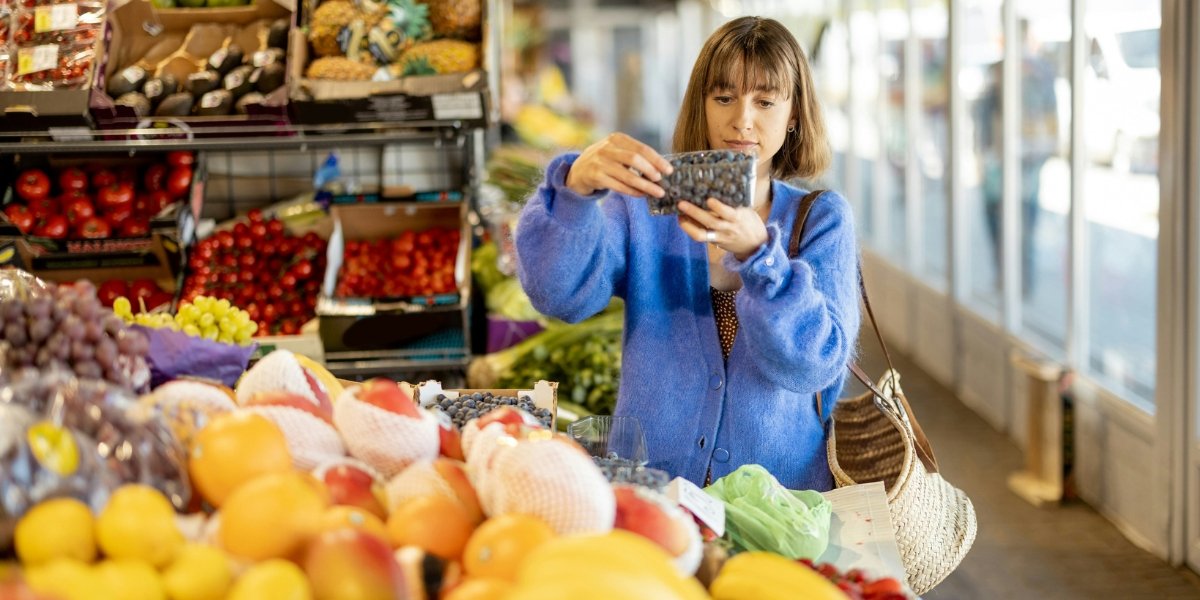
Focus on Fresh Produce: Many states are expanding the availability of fresh fruits and vegetables through local farmers’ markets, so taking advantage of these resources can help recipients stick to their food budgets.
Buy in Bulk: Purchasing in bulk can help SNAP recipients save money on healthier, non-perishable items like beans, rice, and whole grains, which are now more readily available under the new rules.
Explore Community Resources: Many communities have nutrition programs and resources designed to help SNAP recipients navigate the changing food landscape. Seeking advice from local food banks, health clinics, and nonprofit organizations can provide helpful guidance and support.
What’s Next for SNAP in 2026 and Beyond?
As the new SNAP restrictions take effect across the U.S., it remains to be seen how they will affect both recipients and the food industry. The federal government and state policymakers are likely to continue refining these regulations, possibly adding or adjusting categories of banned foods based on public feedback and ongoing health trends.
Stay Informed About SNAP Changes Nationwide
With the 2026 restrictions being phased in, it’s essential for SNAP recipients and advocacy groups to stay updated on changes specific to their states. Keeping track of new policies, and understanding how they will affect food choices, will be key to adapting successfully to the shifting landscape of food assistance programs.
