
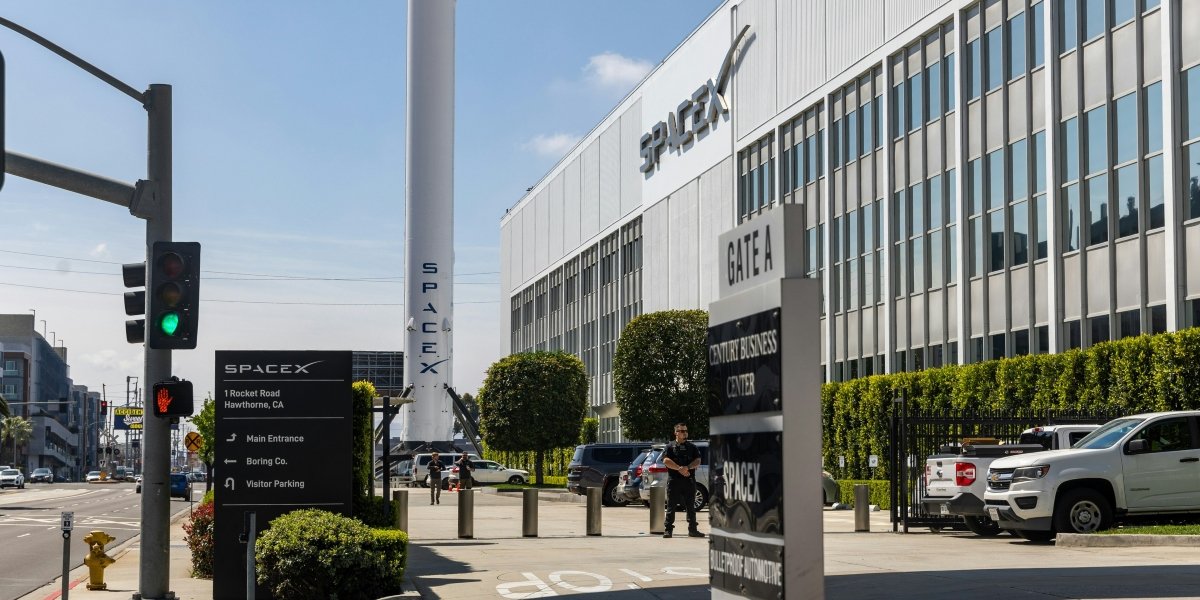
SpaceX has completed a landmark acquisition of xAI, consolidating Elon Musk’s aerospace, artificial intelligence, satellite internet, and digital platform ambitions into a single corporate structure valued at approximately $1.25 trillion.
The transaction immediately positions SpaceX as the most valuable private technology company in the world, surpassing long-standing benchmarks set by global cloud, defense, and AI leaders. The deal brings together SpaceX’s rocket launch business and Starlink satellite network with xAI’s rapidly expanding artificial intelligence operations, creating a vertically integrated technology powerhouse with reach across defense, communications, and advanced computing.
In a statement addressing the merger, Elon Musk described the acquisition as a strategic alignment of long-term goals rather than a short-term financial maneuver.
“AI, space, and global connectivity are not separate missions,” Musk said. “They are pieces of the same future, and bringing them together under one roof allows us to move faster and think bigger.”
A New Structure for AI and Space
Founded in 2023, xAI was positioned as Musk’s direct response to dominant AI platforms, with a stated mission of building systems designed to “understand the true nature of the universe.” By folding xAI into SpaceX, Musk gains access to enormous computing demand, real-world data streams from satellites, and government-grade infrastructure — advantages few AI companies can match.
Industry analysts say the merger could accelerate the development of AI systems designed for aerospace navigation, satellite network optimization, autonomous systems, and large-scale data processing.
“This is an unprecedented consolidation of physical and digital infrastructure,” said Dan Ives, managing director at Wedbush Securities.
“No other private company controls launch capacity, satellite networks, and AI development at this scale.”
Market Impact and Competitive Pressure
The acquisition is already reshaping conversations across Silicon Valley and Washington. Legacy cloud providers and AI firms now face a competitor with its own launch systems, global connectivity platform, and internal AI stack — reducing dependence on third-party infrastructure.
From a business perspective, the deal also strengthens SpaceX’s position with federal agencies, particularly in defense and communications, where AI-driven satellite systems are becoming increasingly central to national security planning.
However, the consolidation has also raised immediate regulatory questions.
“Any time a single entity combines this level of market power across defense, AI, and communications, regulators are going to take a very close look,” said Lina Khan, chair of the Federal Trade Commission, in remarks unrelated to the deal but widely cited in policy discussions this week.
Regulatory Scrutiny Likely Ahead
Because SpaceX is a major government contractor and xAI operates in a highly sensitive technology sector, the merger is expected to draw attention from U.S. antitrust regulators and national security reviewers. Analysts note that Musk’s leadership across multiple high-profile companies could complicate oversight discussions, particularly where federal contracts and data governance intersect.
Still, supporters argue the structure may improve transparency by consolidating AI development within a company already accustomed to strict government compliance requirements.
“This is not a typical tech merger,” said a senior aerospace analyst at Morgan Stanley.
“SpaceX already operates under some of the most rigorous regulatory frameworks in the country. That may actually ease certain concerns rather than intensify them.”
What Comes Next
SpaceX has not disclosed immediate operational changes following the acquisition, but insiders expect tighter integration between xAI’s research teams and SpaceX’s satellite and launch divisions in the coming months. Observers also anticipate that Starlink’s global network could become a major real-world testing environment for next-generation AI systems.
With the deal now finalized, one thing is clear: the merger marks a defining moment in the convergence of AI, aerospace, and global connectivity — and sets a new benchmark for how far private technology empires can extend.
As one Wall Street analyst summarized this week,
“This isn’t just the biggest private tech deal ever. It’s a signal that the next phase of competition won’t be between apps or platforms — it will be between entire ecosystems.”