
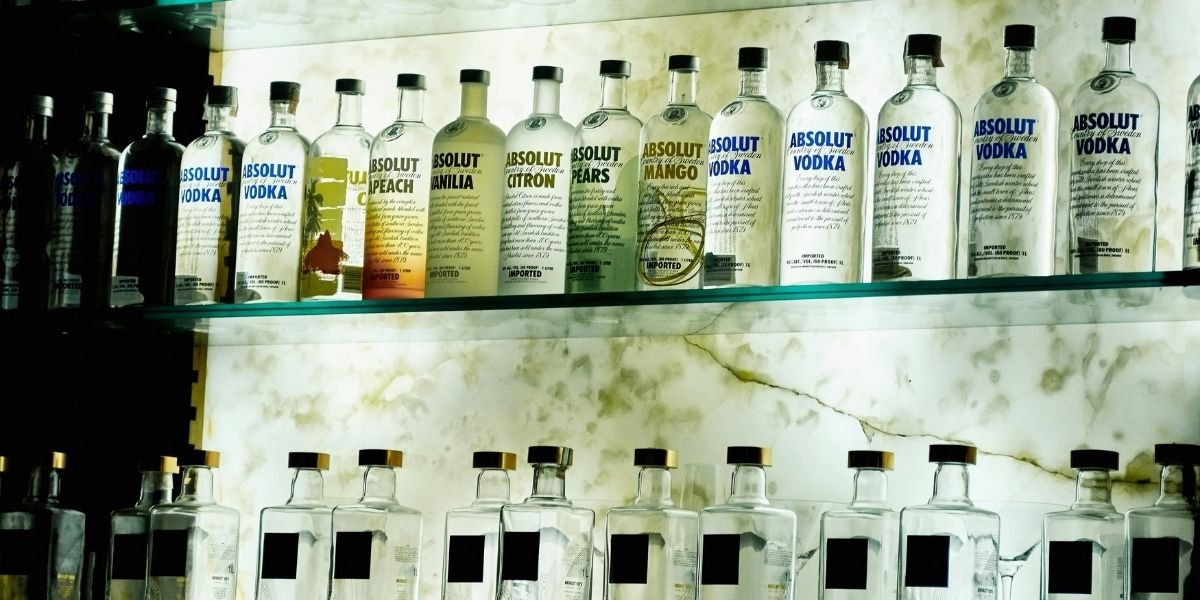
When it comes to premium vodka, there’s a world of difference between mass-produced and handmade varieties. Handmade vodka isn’t just about the end product; it’s about the process, craftsmanship, and dedication that goes into every step, from grain to glass. Let’s dive into the intricate art of creating handmade vodka and understand why it’s considered a luxury choice for spirit connoisseurs.
Choosing the Right Grain: The First Step in Vodka Making
The process of crafting handmade vodka starts with selecting the right grain. Unlike standard vodkas, which may use a variety of grains or even potatoes, artisanal vodka makers choose their ingredients with great care. Wheat, rye, corn, and barley are common choices, with each bringing its unique flavor profile and texture.
Wheat-based vodkas are known for their smooth, creamy finish, while rye provides a spicier, more robust flavor. Corn, on the other hand, often imparts a slightly sweeter taste. The grain selection plays a critical role in shaping the vodka’s overall flavor, and the choice of ingredients sets handmade vodka apart from mass-produced options, which often use cheaper and lower-quality grains.
Mashing and Fermentation: Turning Grain into Alcohol
Once the right grain is chosen, the next step is mashing. This is where the starches in the grain are converted into sugars, a vital process for fermentation. The grain is ground down, mixed with water, and heated to break down the starches. Afterward, yeast is added to the mash, beginning the fermentation process that converts the sugars into alcohol.
Unlike large-scale distilleries that may use shortcuts or more industrial methods, handmade vodka distillers carefully monitor each stage of fermentation. The result is a cleaner, purer alcohol base, free from the harsher tastes sometimes found in mass-produced spirits.
Distillation: The Heart of Vodka Making
Distillation is where the magic happens. It’s the process that separates alcohol from impurities and refines the vodka’s taste. The distillation process begins by heating the fermented mash in a still, which is essentially a large copper or stainless steel container. As the mixture heats up, the alcohol evaporates, and the vapor is collected and cooled back into liquid form.
For handmade vodka, distillation is typically done multiple times. This ensures that any remaining impurities are removed, leaving behind a smoother, cleaner spirit. Some distilleries use copper stills, which are known for their ability to enhance the purity of the alcohol, adding a subtle character to the final product.
Many small-batch distillers will also employ a slow, deliberate distillation process, allowing for more control and precision at each stage. This extra attention results in a smoother, more refined vodka that’s free from the harsh edges often found in mass-produced alternatives.
Filtering and Water: The Final Touches

Photo Credit: Unsplash.com
After distillation, handmade vodka undergoes a filtration process that further refines the spirit. Some distilleries use charcoal filters, while others prefer natural materials like quartz or volcanic rocks. These filtration methods help to remove any lingering impurities and enhance the vodka’s clarity.
Water quality is also a critical factor in handmade vodka. The best distilleries use pure, filtered water to dilute the alcohol to the desired proof. This final step is essential, as it helps balance the flavors and ensures the vodka maintains its clean, crisp finish.
Bottling: From Distillery to Glass
Once the vodka is filtered and diluted, it’s ready for bottling. But even this step involves a level of craftsmanship. Many handmade vodkas are bottled by hand, with the labels carefully affixed to each bottle. This attention to detail is a hallmark of artisanal production.
The bottle itself can often reflect the distillery’s ethos, with beautifully designed labels and bottles that appeal to consumers looking for an authentic, high-quality product. Handmade vodka makers often pride themselves on not only crafting an exceptional product but also creating a visually appealing presentation that matches the quality inside.
Why Handmade Vodka Matters
So why go the extra mile with handmade vodka? The answer lies in quality, taste, and craftsmanship. Handmade vodkas are produced in smaller batches, allowing distillers to focus on every detail. This leads to a more refined, balanced spirit that’s ideal for sipping straight or mixing in cocktails.
In contrast, mass-produced vodkas often prioritize efficiency over quality, which can result in a less-than-ideal taste. While there’s certainly a place for affordable options in the market, handmade vodka is a premium choice that offers something special for those who truly appreciate the art of distilling.
If you’re looking to expand your appreciation for fine spirits, consider trying a bottle of handmade vodka. Whether enjoyed in a classic martini or sipped neat, you’ll notice the difference in every smooth, rich sip.