

Augmented Reality (AR) is evolving rapidly, shifting from a niche tech concept to an essential part of everyday life. As smartphones and tablets increasingly become secondary to wearable tech, smart glasses are positioned to lead the way in this revolution. With major tech companies investing in AR, the future of smart glasses looks clear. In this article, we explore how smart glasses are set to play a significant role in bringing AR into the mainstream.
The Rise of Smart Glasses: AR’s Next Frontier
Smart glasses are not a new idea. From early prototypes to the first Google Glass release, tech enthusiasts have been waiting for the breakthrough that would make AR mainstream. However, it’s only recently that smart glasses have gained significant traction, thanks to improvements in technology, consumer demand, and a growing ecosystem of AR apps.
Meta’s upcoming smart glasses, priced at $800, reflect this momentum. The device promises a digital display in the lenses, allowing users to interact with notifications and apps without needing to pull out their phones. This move signals a shift in how we engage with digital content—on our terms, at any time.
Smart Glasses in Entertainment and Gaming
As AR technology continues to evolve, one area where smart glasses are making a significant impact is in entertainment and gaming. The immersive experiences offered by AR open new possibilities for how we consume content. Whether through live sports, interactive gaming, or virtual concerts, smart glasses are set to reshape the entertainment landscape.
Gaming, in particular, stands to benefit from AR integration. Imagine playing a game where virtual objects are superimposed into your real-world environment. No longer confined to a screen, players will interact with the game in a much more intuitive and immersive way. With companies like Meta focusing heavily on AR experiences, the potential for gaming to evolve beyond virtual reality is becoming more tangible.
AR in Daily Life: A New Way to Interact with the World
The practical benefits of smart glasses go far beyond entertainment. For many, the appeal lies in the seamless integration of AR into everyday life. Whether it’s navigating through unfamiliar cities, managing work emails, or checking out new products in stores, smart glasses offer a more efficient, hands-free experience.
Consider the use of smart glasses for navigation. With a simple glance, a user could receive real-time directions while walking or driving, all without ever looking down at their phone. This type of integration with AR will make daily tasks simpler, safer, and more intuitive.
The Commercial Potential of Smart Glasses
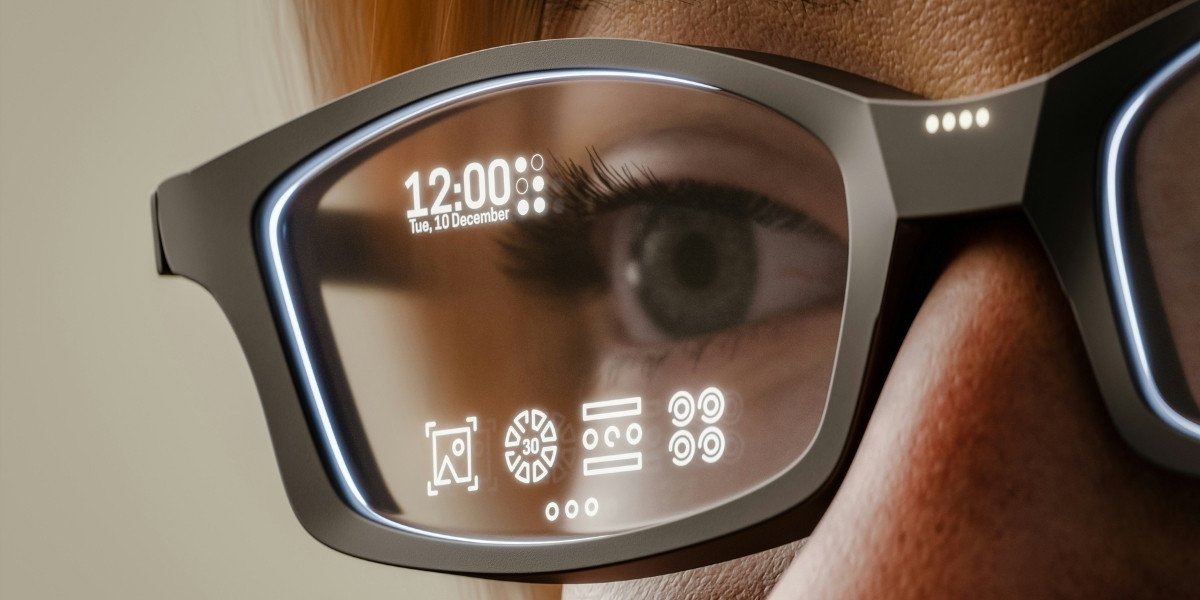
Photo Credit: Unsplash.com
From a business standpoint, the possibilities of AR in smart glasses are vast. Many companies see the potential for integrating AR into retail, education, and healthcare. For instance, smart glasses could be used by healthcare professionals to display patient data directly in their line of sight, improving the speed and accuracy of diagnosis and treatment.
Retailers are also keen on adopting AR technology to provide customers with a more interactive shopping experience. Imagine browsing a store where you can see virtual reviews or additional product details overlaid on the actual items. Smart glasses could offer a shopping experience that’s both more engaging and informative, driving customer satisfaction and boosting sales.
The Challenges Ahead for Smart Glasses
Despite the excitement, there are still several hurdles to overcome before smart glasses achieve widespread adoption. One of the key challenges is making them stylish and comfortable. Many consumers are hesitant to wear bulky or unattractive devices in public, and smart glasses have yet to achieve the sleek, fashionable look that would make them mainstream.
Battery life and connectivity are also concerns. For smart glasses to function as effectively as promised, they will need to deliver high performance without frequent recharging, which remains a technical challenge. Furthermore, data privacy and security will be critical issues. With cameras and sensors constantly gathering information, it’s important to ensure that user data is kept safe.
Looking Ahead: The Future of AR with Smart Glasses
As AR technology continues to advance, it’s clear that smart glasses will play a significant role in how we interact with the world around us. Whether in entertainment, business, or everyday tasks, these wearable devices are poised to make AR more accessible and practical for the average user.
While there are challenges to overcome, the potential is enormous. In just a few years, we could see smart glasses integrated into nearly every aspect of life. From helping us stay connected to enhancing our experiences, the future of AR is, indeed, clear.