

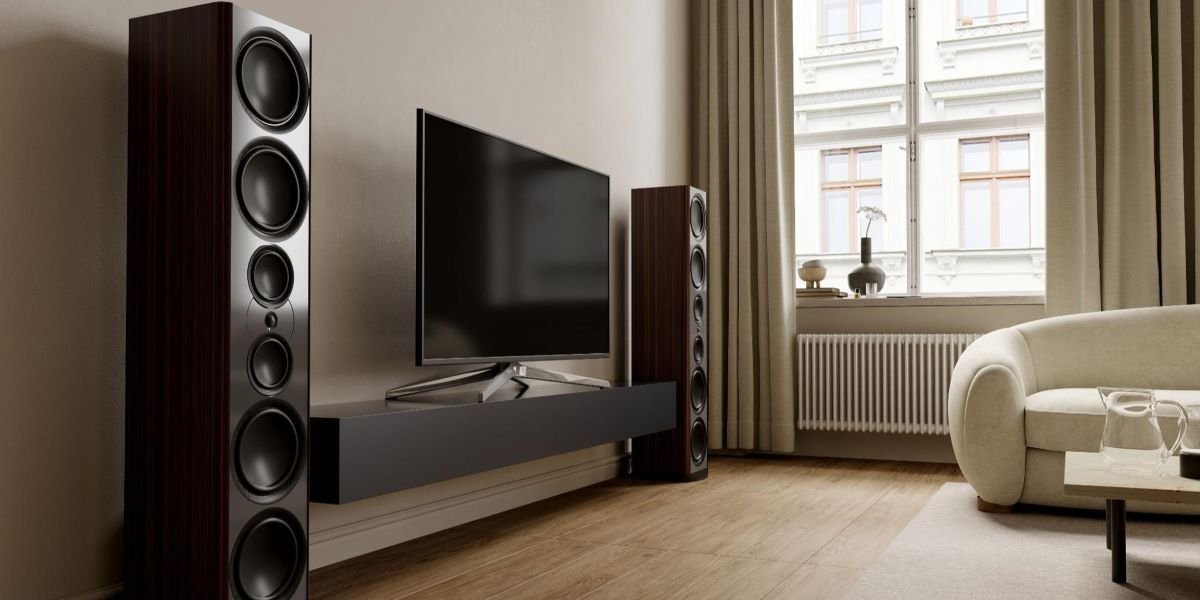
In today’s fast-paced e-commerce landscape, high-quality product images are essential to capturing consumer attention and driving sales. Traditionally, product photography has been the go-to method for showcasing items, but 3D rendering transforms how businesses present their products online. By offering unmatched flexibility, efficiency, and scalability, 3D product rendering quickly becomes the preferred choice for product imaging, particularly for brands dealing with large or customizable items.
The Flexibility of 3D Rendering for Product Variants
One of the biggest challenges in e-commerce is displaying products that come in multiple colors, materials, or finishes. With traditional photography, businesses must manufacture and photograph each variation separately—a time-consuming and expensive. In contrast, using the services of a 3D rendering firm allows companies to generate unlimited product variations with just a few adjustments in a digital environment.
For example, a furniture retailer selling a sofa in ten different fabric options traditionally needs to photograph each version individually. With 3D rendering, the same model may be digitally recolored or retextured in seconds, eliminating the need for multiple physical samples. This flexibility enables brands to showcase a complete product lineup without the logistical headaches of traditional photography.
Simplified Workflow: No Studio, No Logistics
Another significant advantage of 3D visualization is its ability to bypass the complexities of traditional product photography. Setting up a professional photo shoot requires renting a studio, managing lighting conditions, hiring photographers, and sometimes even transporting large, heavy products. This process may be expensive and challenging to coordinate, particularly for brands with extensive inventories.
With 3D rendering, none of these steps are necessary. Products are created digitally and may be placed in any setting without a physical studio. This saves time and allows businesses to generate consistent, high-quality images regardless of location. Additionally, digital assets can be easily modified or updated—something that is nearly impossible with traditional photography without reshooting the entire product.
Ideal for Large Products Like Sofas, Beds, and Refrigerators
Certain products, huge home goods such as sofas, beds, and refrigerators, present significant challenges for traditional photography. Transporting these bulky items to a studio, staging them in different settings, and capturing various angles can be a logistical nightmare. In contrast, 3D rendering eliminates the need for physical movement and setup, making it an ideal solution for showcasing large products.
Using 3D technology, brands may create realistic renderings of furniture in different environments, allowing customers to see how a product would look in a modern living room, a cozy bedroom, or a minimalist kitchen. This approach enhances the shopping experience by providing context and scale, helping customers make more informed purchasing decisions.
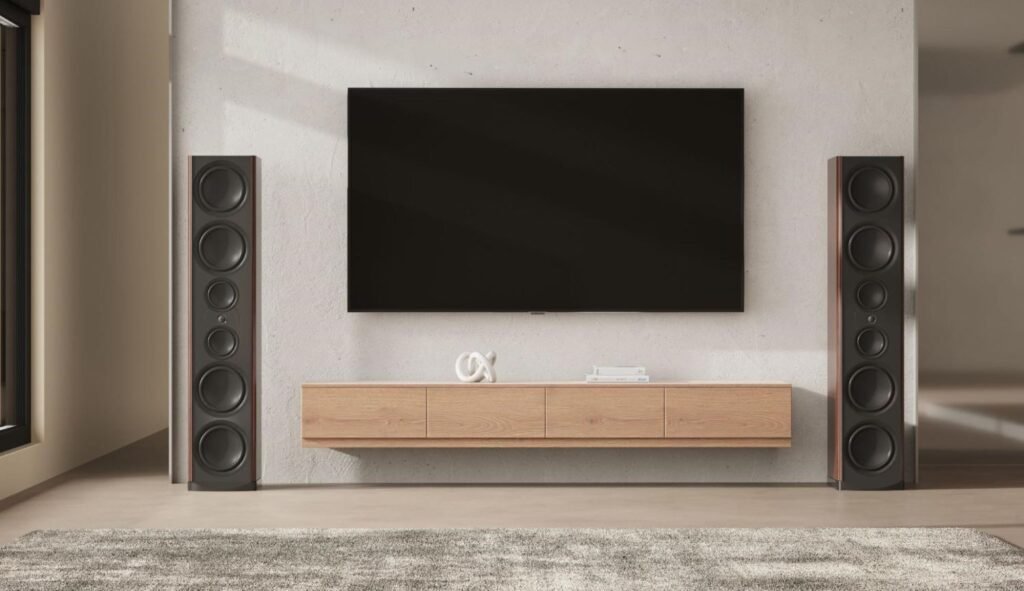
Photo Courtesy: Voxel Worlds & 3Drenders.com
Enhanced Customer Experience and Engagement
Beyond static images, 3D rendering opens the door to interactive and immersive shopping experiences. Many e-commerce platforms use the services of a 3D product animation agency to create 360-degree product views, augmented reality (AR), and virtual showrooms, all of which are made possible through 3D modeling. These features allow customers to rotate products, zoom in on textures, and even visualize items in their own space using AR apps.
Achieving this level of engagement with traditional photography alone can be challenging. Using 3D technology, brands can create more immersive online shopping experiences that offer detailed product views, helping consumers make informed decisions.
Conclusion
As e-commerce evolves, businesses must adopt innovative solutions to stay competitive. 3D rendering offers an efficient, cost-effective, and flexible alternative to traditional photography, making it an invaluable tool for brands selling customizable or large-scale products. By embracing this technology, companies may streamline their operations, improve product presentation, and deliver customers a more engaging shopping experience.
In the end, 3D rendering is not just a replacement for photography—it’s the future of product visualization in e-commerce.
Disclaimer: The information provided in this article is for general informational purposes only. While 3D rendering offers numerous advantages for e-commerce product imaging, businesses should assess their specific needs, costs, and technical requirements before implementing this technology. The mention of any third-party services or technologies does not constitute an endorsement. Readers are encouraged to conduct independent research or consult professionals for tailored advice.
Published by Tom W.