

By: Natalie Johnson
An ideal day in Fernandina Beach feels effortless.
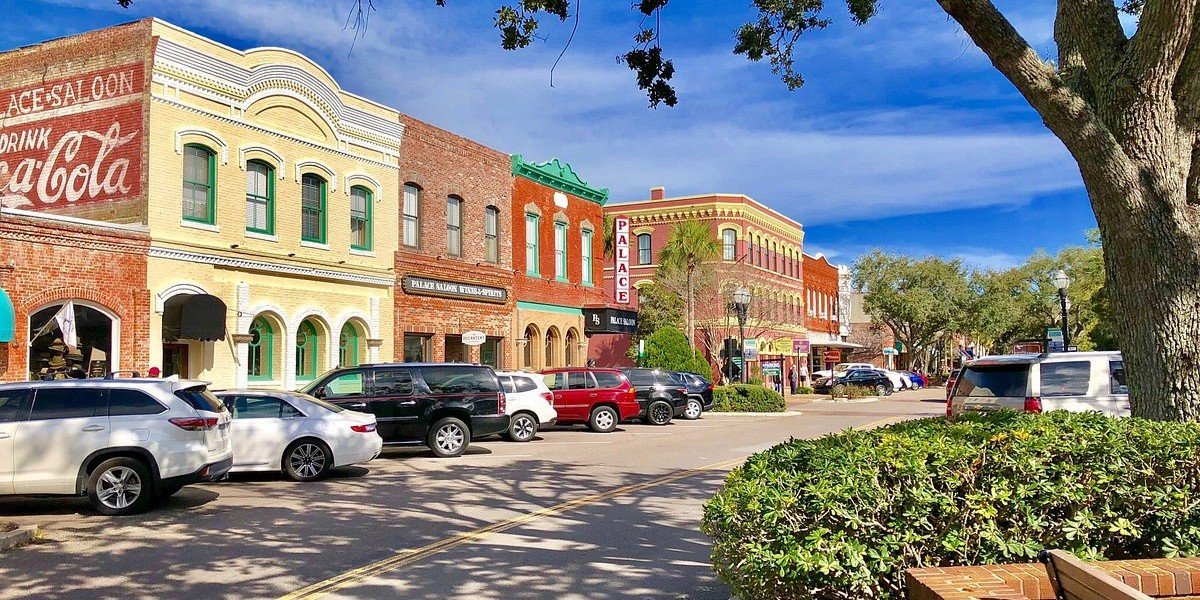
You start your morning with a walk along the shoreline at Main Beach Park. The ocean is calm, the sand stretches for miles, and everything feels unhurried. Later, you head into historic downtown, exploring shops and restaurants before ending the day with a beautiful view at Amelia’s Lighthouse, Florida’s oldest existing lighthouse.
From the visitor’s perspective, the experience is seamless.
But behind that simplicity lies a complex and often invisible system that makes it all possible.
Tourism Is More Than Destinations
When people think about tourism, they tend to focus on the visible elements.
Beaches. Restaurants. Attractions.
But what actually enables a destination to function is something less obvious.
Coordination.
In a place like Amelia Island, with over 13 miles of coastline, hundreds of historic structures, and a constant flow of events, the challenge is not just about creating experiences.
It is organizing them.
It is making sure visitors know what exists, where to go, and how to navigate everything efficiently.
The Fragmentation Problem
Historically, tourism information has been fragmented.
Visitors rely on:
- Search engines
- Review platforms
- Social media
- Word of mouth
Each source provides partial information. None provides the full picture.
This creates friction.
A visitor might miss a local event simply because they did not check the right website. A business might lose potential customers because it is not listed on the platform that a traveler happens to use.
In aggregate, these small gaps add up.
Why Centralized Visibility Matters
The more complex a destination becomes, the more important it is to have a centralized information layer.
Not just for convenience, but for efficiency.
Platforms like thingstodoinfernandinabeach.com are designed to solve exactly this problem. By bringing together attractions, events, dining options, and local experiences into a single curated environment, they reduce friction for visitors and increase visibility for businesses.
This creates a more connected ecosystem.
Visitors can plan more effectively. Businesses can reach more people. The destination itself becomes easier to navigate.
Beyond Convenience
At first glance, this might seem like a simple improvement in user experience.
But the impact goes deeper.
Better visibility leads to:
- Increased foot traffic for local businesses
- Higher engagement with events and activities
- More evenly distributed economic activity across the region
In other words, infrastructure for discovery directly influences economic outcomes.
The Role Of Curation
One of the most important elements of this new infrastructure is curation.
Not all information is equally valuable. Not all experiences are equally relevant.
By organizing content to reflect local priorities and visitor needs, curated platforms provide context, not just data.
This is especially important in an era where AI-driven search often prioritizes speed over depth.
Curation reintroduces nuance.
Building Resilient Tourism Systems
As destinations become more competitive, the ability to manage and present information effectively will become a key differentiator.
It is no longer enough to have great attractions.
You need to make them discoverable.
And that requires infrastructure.
Not physical infrastructure like roads or hotels, but digital infrastructure that connects people to experiences.
Behind every memorable trip is a system quietly working in the background.