


In the electronic music scene in Europe, online magazines and music genre-based websites are one of the ways the scene talks to itself. We Rave You, FAZE Magazine, Dance Charts, and similar websites publish articles on new drops, artist features, and the changing music scene. The content is always centered on electronic dance music. It tends to be geared towards individuals whose lives revolve around music nights, festivals, and DJs. There are articles with interviews and opinions that also serve to introduce the audience to the music by the upcoming artists in the scene, which is highly competitive and interconnected.
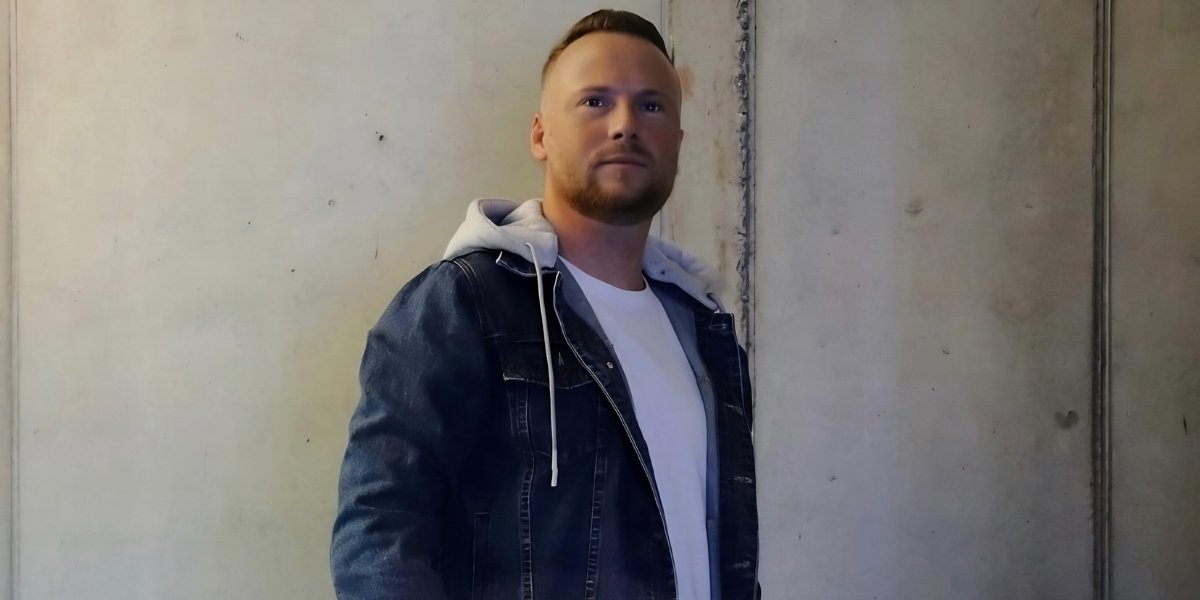
Andre Ohm, known professionally as Sam Harris, has received coverage across several of these platforms. His work has been referenced in digital publications that focus on electronic dance music and club-oriented releases. These mentions document his involvement in the EDM sector and provide independent accounts of his music output. Media coverage can include both editorial features and release promotions, each serving different purposes within the industry. Editorial articles tend to focus on artistic development and production approach, while promotional listings highlight specific tracks and releases.
One of the most detailed pieces of coverage appeared in February 2026, when the publication We Rave You featured Harris in an article discussing his approach to electronic music. The feature examined aspects of his production philosophy, including the concept described as “No Genres, Just Emotions.” This phrase was used to explain a focus on emotional response rather than strict adherence to genre categories. Media features of this type often provide context for how producers position their work within the broader electronic music landscape. They also contribute to documenting stylistic trends and individual approaches within the genre.
Apart from editorial content, Harris’s work also appears on music industry websites such as Dance Charts. These are music industry websites that usually post updates regarding the latest releases, collaborations, and promotions. To illustrate this further, Harris’s releases, such as “Glashaus” and various collaborations, have appeared on Dance Charts’ promotional content. The content includes basic information regarding the releases and the producers involved. Even though this is relatively less significant than the editorial content itself, it still helps the producers and the music scene as a whole.
Another song by Harris that appears on the digital scene is “Ocean,” which appears in the promotional content related to electronic music platforms. This is related to the ongoing releases by the producers and the music scene as a whole. The ongoing releases by the producers are also the same releases that are appearing in the music scene.
An instance of the publications related to the music scene is FAZE Magazine, which is related to the electronic music scene and the club scene in Germany. This publication also includes the producers related to the Harris network. Germany is also special in the electronic music scene as it is considered the hub with its wide network of clubs that specialize in electronic music. This framework is very advantageous to the producers as well as the electronic music scene as a whole.
Finally, the media coverage is not just about the promotion of the artist but also serves as a documentation of the artist’s work over the course of time. This documentation can be considered very useful in the modern digital age, where music is being dropped left and right, and keeping track of the music over the course of time can get complicated.
The streaming and media coverage are related in the context of the artist gaining popularity. The media coverage can be considered very effective in this context, as the articles published recently direct the audience towards the artist’s music. Harris’ music, including the song “Out Of Time,” has managed to get over 1.5 million streams on Spotify alone. This figure can be considered very high, as the total is estimated to be over several million.
The relationship between the media and the electronic music scene mirrors the shift in how music is consumed by audiences over the past few decades. It can be considered that the print media is no longer the major medium, as the internet has taken over with its real-time publications. The electronic music scene is considered very effective in this context, as articles are published alongside the music or soon after its release. Harris’s coverage in outlets such as We Rave You and Dance Charts illustrates how digital journalism functions within this system.
The cumulative effect of media coverage is to situate a producer within the wider electronic music community. By appearing in publications that track releases, collaborations, and stylistic trends, producers become part of an ongoing narrative about the development of electronic music. Harris’s documented activity across platforms such as We Rave You, FAZE Magazine, and Dance Charts places his work within this context. These references provide insight into his role as a producer and the reception of his music within digital media environments.
Overall, media coverage functions as both a promotional tool and a form of documentation within the electronic music industry. For Sam Harris, references in editorial features and promotional platforms contribute to a record of his professional activity. The 2026 feature in We Rave You, along with listings on Dance Charts and mentions connected to FAZE Magazine, illustrate how digital publications track the output of producers working in the EDM sector. Through these channels, Andre Ohm, known professionally as Sam Harris, is represented within the broader framework of electronic music journalism and digital media reporting.