


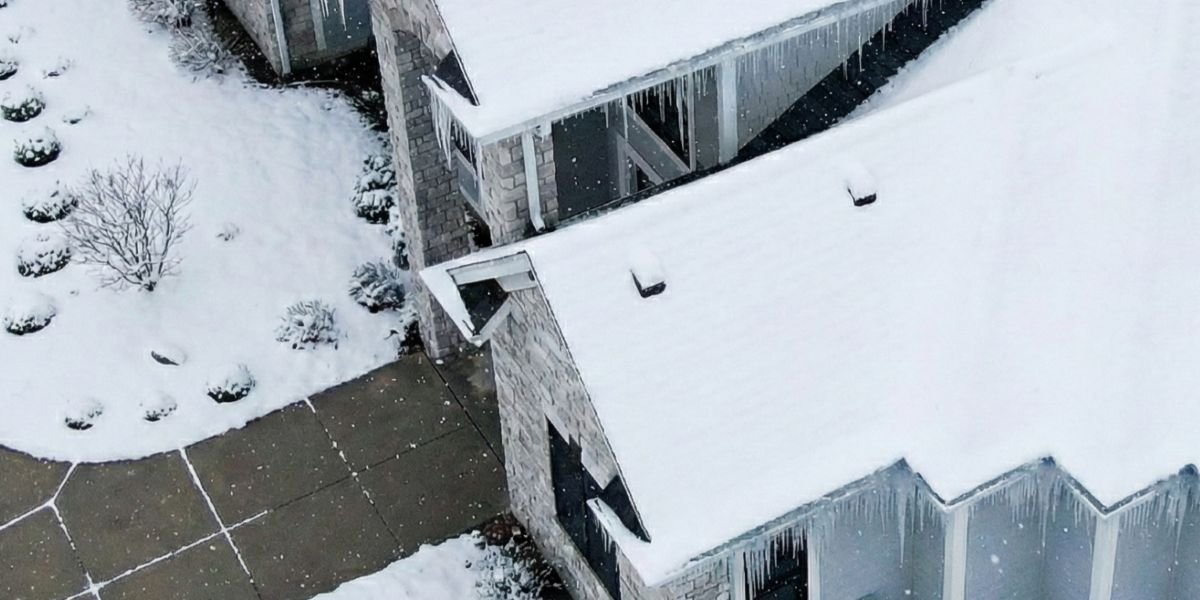
Roofing systems in the Midwest face conditions that many other regions in the United States rarely experience. Wisconsin’s climate brings heavy snowfall, fluctuating temperatures, high winds, and seasonal storms that can accelerate wear on residential and commercial roofing systems. For property owners, understanding these challenges is essential to protecting buildings and avoiding expensive repairs.
Because roofs serve as the primary barrier against weather exposure, even minor issues can quickly turn into structural problems when left unaddressed. According to roofing professionals across the region, several issues consistently appear in Wisconsin properties year after year. Understanding these risks and how to address them can help property owners extend the lifespan of their roofing systems and prevent costly damage.
Ice Dams and Winter Water Damage
One of the most common roofing problems in Wisconsin is the formation of ice dams during the winter months. Ice dams occur when snow on the roof melts due to heat escaping from the building and then refreezes along the colder edges of the roof. Over time, the frozen ridge of ice blocks drainage and traps melting snow behind it.
When water becomes trapped behind an ice dam, it can begin working its way beneath shingles and into the roof structure. This can lead to water damage inside the attic, insulation problems, and leaks that eventually appear on ceilings or walls.
Ice dams are particularly common in Wisconsin because the region experiences repeated freeze and thaw cycles throughout the winter. Snow melts during warmer daytime temperatures and then refreezes overnight. This process repeats multiple times throughout the season, allowing ice ridges to gradually grow larger and more destructive.
Preventing ice dams typically requires addressing the underlying cause rather than simply removing the ice. Improving attic insulation, sealing air leaks, and ensuring proper roof ventilation can significantly reduce the chances of uneven snowmelt that leads to ice dam formation.
Freeze and Thaw Cycles That Damage Roofing Materials
Another challenge unique to colder climates like Wisconsin is the constant freeze and thaw cycle that occurs throughout the winter and early spring. Small amounts of water can enter cracks around flashing, nail penetrations, or minor material gaps. When temperatures drop, that moisture freezes and expands.
Over time, this repeated expansion can loosen shingles, weaken flashing components, and accelerate deterioration of roofing materials. Even a small amount of trapped moisture can cause long term damage when the cycle repeats dozens of times throughout the season.
This is why routine roof inspections are particularly important in cold climates. Catching minor cracks or damaged flashing early can prevent the type of moisture intrusion that leads to larger structural issues.
Heavy Snow Loads and Structural Stress
Winter storms in Wisconsin often bring large amounts of snowfall, which can place significant weight on a roof. While most roofing systems are designed to support snow loads, repeated storms can cause accumulation that places additional stress on structural components.
Flat or low slope roofs are especially vulnerable because snow can accumulate without naturally sliding off the surface. Over time, excessive snow loads may cause sagging roof decks or structural strain.
Property owners should monitor snow accumulation during heavy storms and remove excess snow when possible. Roof inspections before winter can also identify weak areas that may need reinforcement before the season begins.
Wind and Storm Damage Throughout the Year
Wisconsin’s roofing challenges are not limited to winter. Spring and summer storms often bring high winds and hail that can damage shingles and roofing components.
Strong winds can lift shingles or break the adhesive seals that keep them secured. Once the seal is broken, shingles become more vulnerable to future storms and water intrusion. Hail can also strip protective granules from asphalt shingles, reducing their ability to resist ultraviolet radiation and weather exposure.
Even small storms can gradually reduce the lifespan of a roof if damage is not addressed quickly. Property owners should schedule inspections after severe weather events to help prevent minor damage from evolving into leaks.
Why Proper Ventilation and Maintenance Matter
Many of the most serious roofing issues in Wisconsin can be traced back to improper ventilation or insulation inside the attic. When warm air becomes trapped beneath the roof surface, it creates uneven temperatures that accelerate snowmelt and increase moisture buildup.
Roof ventilation helps regulate attic temperature and allows warm, humid air to escape before it causes condensation or ice buildup. Without proper airflow, moisture can accumulate inside the roof structure and lead to mold, rot, and insulation damage.
Routine maintenance is also essential. Clearing gutters, inspecting flashing, and addressing minor damage early can prevent many of the most common roofing problems seen across Wisconsin.
Working With Local Roofing Professionals
Because roofing systems in Wisconsin face unique environmental conditions, it is important for property owners to work with experienced local professionals who understand these challenges. Companies familiar with regional weather patterns are better equipped to design roofing systems that perform reliably in harsh Midwest conditions.
Property owners looking for experienced roofing contractors in Wisconsin often prioritize companies that focus on long term performance rather than quick fixes. The right contractor can identify ventilation issues, recommend appropriate materials, and implement installation techniques designed for Wisconsin’s demanding climate.
Protecting Your Roof for the Long Term
Roofs are one of the most important structural components of any building, yet they are often overlooked until a problem appears. In Wisconsin, where weather conditions place constant stress on roofing systems, proactive maintenance and proper installation are essential.
Understanding common issues such as ice dams, freeze thaw cycles, snow loads, and storm damage allows property owners to take preventative action before minor problems become costly repairs. By working with knowledgeable local professionals and investing in proper ventilation and insulation, building owners can better protect their roofs through every season Wisconsin has to offer.