
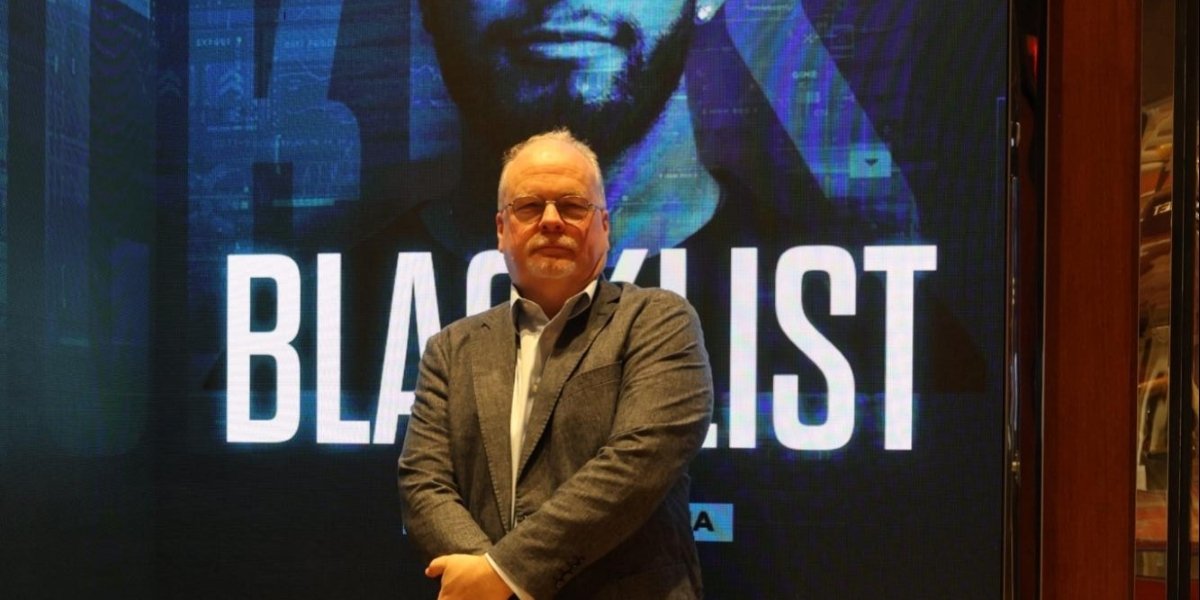
A standard analyst-firm retainer is one of the more predictable line items in a large IT budget: contracts commonly start in the tens of thousands of dollars a year per seat and can climb into six figures depending on scope. Rob Smith, a former Gartner analyst who spent eight years inside that pricing model before founding Lionfish Tech Advisors, is now offering CIOs a version of the same core service, purchase verification and vendor guidance, with the first report each month free. That is a direct challenge to a budget line most IT organizations have simply accepted as fixed.
It is worth understanding what CIOs were actually paying for before judging whether the free alternative holds up. Here is what the traditional contract price covered, what Smith cut to make the new version free, and what a CIO gives up, if anything, by choosing the lower-cost path.
Key Takeaways
- Analyst retainers commonly run from the tens of thousands into six figures a year per seat.
- Smith estimates that about nine out of ten analyst calls are reassurance, not new research: the IT therapist role.
- Periscope makes the first report free by removing the analyst’s live hour from the common path.
- A live thirty-minute call is $400, reserved for buyers who want to talk a decision through.
- The trade-off is real-time back-and-forth, which matters for complex decisions but not routine renewals.
What The Traditional Contract Price Was Actually Covering
Smith is direct about what most of that annual spend buys in practice: not new research tailored to a specific decision, but access, the ability to book a call and get a credentialed opinion when a purchase needs validating. He estimates that roughly nine out of ten client calls he took as an analyst involved a buyer who already knew the right answer and simply wanted an expert to confirm it before committing real budget. He has described the old job, without much exaggeration, as functioning like an IT therapist: the value was not new information, it was reassurance from someone with the credentials to make it count.
That access came with real constraints. Booking time under a typical contract takes several weeks at minimum, and in fast-moving categories like agentic AI, the wait can stretch to two months. For a CIO managing an active procurement timeline, that lag is often the real cost of the contract, not the invoice itself, but the delay it introduces into a decision that may already be time-sensitive.
What Changed To Make The New Version Free?
Smith removed the scarce, expensive resource from the common path: the analyst’s live hour. Periscope generates a report, roughly ten pages, timestamped and branded, in under a minute, built from the same human-verified data Lionfish’s paid advisory work has always relied on. The free tier covers one report a month; additional reports are paid, and a live thirty-minute analyst call is $400, a fraction of what a single hour under a traditional retainer would cost.
The economics are straightforward. A live call requires an analyst’s time, the scarce input in the old model. A generated report, built on data the firm’s analysts have already verified while maintaining the Aquarium platform, does not require a fresh hour of anyone’s time for each request. Smith’s bet is that most of what CIOs were really paying for, a credentialed, current, specific answer, can be delivered without the live call in the majority of cases, reserving the paid call for buyers who genuinely want to talk a decision through.
What a CIO Gives Up, And What They Don’t
By Smith’s own account, a CIO gives up very little on accuracy. He describes Periscope’s output as functionally identical to what he would tell a client on the phone: the same vendors recommended, the same reasoning for ruling out alternatives, the same specificity about why a switch might make sense. What differs is the format: no scheduling, no waiting, and no live conversation unless the buyer wants one.
Brad LaPorte summarizes what the fee was always meant to buy: one-touch decision analysis, immediate action ability, and quantified justification for a purchase, something a CIO can hand to a CFO or a procurement committee as a defensible reason for the choice, not a gut feeling dressed up in a slide. That is a real need, and Smith does not dispute that traditional firms deliver it competently. His argument is narrower: the need does not require a $70,000 annual retainer to satisfy; it requires accurate, current, well-reasoned output, and that output can be produced without the traditional overhead attached.
The One Thing The Free Report Does Not Replace
What a CIO does give up, at least for now, is the extended back-and-forth of a live call, the ability to push back on a recommendation in real time, and have an analyst walk through the reasoning interactively. That is a real trade-off for a complex or unusually nuanced decision, which is why the $400 call still exists rather than being phased out. For a large share of routine renewal and vendor-comparison decisions, though, Smith’s argument is that the free report covers the actual need, and the traditional six-figure retainer was pricing in a level of hand-holding most buying decisions never required.
Frequently Asked Questions
How Much Do Analyst-Firm Contracts Cost?
They commonly start in the tens of thousands of dollars a year per seat and can climb into six figures depending on scope and coverage. Smith argues most of that buys access and reassurance, not decision-specific research.
How Can Lionfish Offer The Core Report For Free?
The scarce, expensive input in the old model is the analyst’s live hour. Periscope generates a report from data that the analysts have already verified, so it does not consume a fresh hour per request, which lets the first monthly report be free.
What Does a CIO Give Up By Not Paying For A Retainer?
Mainly, the real-time back-and-forth of a live call. For complex decisions that matter, which is why the $400 call remains, for routine renewals and comparisons, Smith argues the free report covers the need.
The Bottom Line
The retainer was never really priced on research. It was priced on access, reassurance, and the analyst’s scarce time. Lionfish keeps the accurate, current, well-reasoned answer and strips out the overhead the answer never required, then leaves the $400 call in place for the decisions that genuinely need a conversation. For most routine buying, that is the trade a growing number of CIOs are willing to make.
The free report is available through Periscope, and the broader advisory model is described by Lionfish Tech Advisors.