


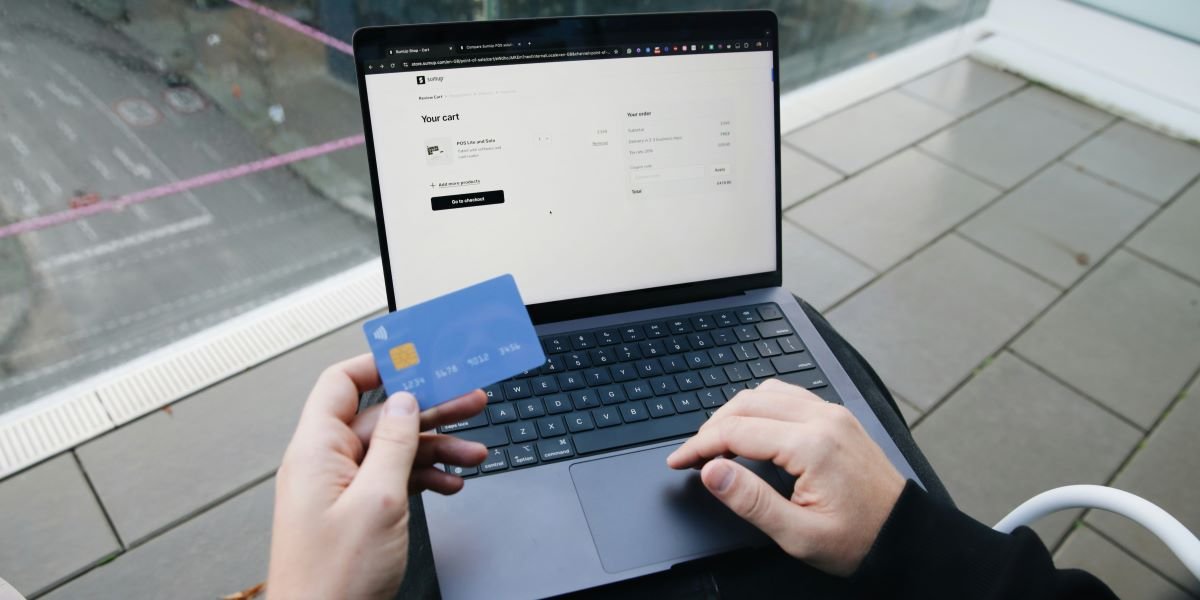
The U.S. Secret Service and the Federal Trade Commission have warned shoppers about fake retail websites and impostor ads ahead of Black Friday and Cyber Monday 2026. The warnings follow FBI data showing internet crime complaints totaling $20.877 billion in losses in 2025, up 26% from 2024.
Key Takeaways
- The FTC says scam sites can buy paid search ads that appear next to, or above, legitimate retailers’ ads
- The Secret Service’s 2026 holiday warning covers six scam categories, from fake shopping websites to charity scams
- Non-payment and non-delivery scams cost victims more than $503 million in 2025, according to the FBI’s Internet Crime Complaint Center
- IC3 recorded more than $893 million in 2025 losses tied to fraud enabled by “super intelligence” tools
- Treasury’s 2026 holiday advisory directs victims to IC3.gov, ReportFraud.ftc.gov and IdentityTheft.gov
What Are Federal Agencies Warning Holiday Shoppers About?
The U.S. Secret Service posted a Black Friday and Cyber Monday warning on its verified X account on November 23, 2026, directing shoppers to its 2026 holiday scam guidance. The agency identified six categories of fraud for the season:
- Fake shopping websites: Sites built to look like real retailers, often advertising deals that are not real
- Accidental payment scams: Requests to return money supposedly sent by mistake
- Investment scams: Pitches promising returns that do not exist
- Family emergency scams: Urgent requests for money from someone posing as a relative
- Fake online invitations: Digital invitations used to deliver malicious links
- Charity scams: Fraudulent fundraising appeals timed to the giving season
The Secret Service warning arrived alongside separate alerts from the Federal Trade Commission, the FBI and the Treasury Department in the week before Black Friday.
FTC Says Scammers Buy Sponsored Search Ads to Reach Shoppers
The Federal Trade Commission’s consumer alert on holiday search scams, published November 19, 2026, warns that scammers use paid search ads that can appear next to ads from legitimate companies and sometimes at the very top of search results.
The FTC advises shoppers to scroll past the top results, noting that the organic listings below paid ads are ranked by relevance rather than by who paid the most. The agency also recommends typing a known company’s web address directly into the browser.
A second FTC alert, issued November 25 ahead of Small Business Saturday, extends the warning to scammers posing as local businesses, including car dealerships and farm equipment sellers, through paid search ads. The FTC urges shoppers to research unfamiliar companies and avoid paying by wire transfer, gift card or payment app.
How Much Did Online Shopping Scams Cost Americans in 2025?
The FBI’s 2025 Internet Crime Complaint Center annual report tracks the scam types most closely tied to online shopping. The figures cover the full 2025 calendar year:
- Non-payment and non-delivery scams: More than $503 million in losses across 56,478 complaints
- Credit card and check fraud: About $282.7 million in losses
- All internet crime: More than 1 million complaints totaling $20.877 billion in losses, up 26% from 2024
- Fraud enabled by “super intelligence” tools: More than $893 million in reported losses
Non-payment and non-delivery losses fell from $785 million in IC3’s 2024 report to more than $503 million in 2025, a decline of about 36%. Total internet crime losses rose over the same period.
FBI and Treasury Warn of AI-Generated Fake Retailers
The FBI’s Boston Division issued a holiday warning ahead of Black Friday, with Special Agent in Charge Ted E. Docks cautioning consumers about non-delivery and non-payment scams, charity fraud and criminals using super intelligence tools to mimic legitimate retailers and delivery services.
The FBI Boston office cited IC3 data showing $11.6 million in losses across Maine, Massachusetts, New Hampshire and Rhode Island.
The Treasury Department’s Office of Cybersecurity and Critical Infrastructure Protection released its 2026 seasonal scam advisory on November 18, 2026. The advisory identifies online sales fraud, gift card fraud and charity scams as common holiday schemes and cites the IC3’s 2025 loss totals.
What the Federal Data Does Not Show
The IC3 figures are full calendar-year totals. The FBI does not publish a holiday-season-only breakdown, so the 2025 figures cannot be attributed to November and December shopping alone.
IC3 data reflects only losses reported by victims. The 2025 report groups credit card and check fraud into a single category, so it is not directly comparable to the credit card fraud category in earlier reports.
The $11.6 million figure cited by FBI Boston covers four New England states and does not represent national losses.
Where to Report Holiday Shopping Scams
The Treasury advisory directs victims who sent money to a scammer to file a report with the FBI at IC3.gov. Suspected fraud can also be reported to the FTC at ReportFraud.ftc.gov, and identity theft at IdentityTheft.gov.
The FTC also advises shoppers to contact their payment provider to dispute unauthorized charges. The federal warnings cover a stretch that includes Small Business Saturday on November 28 and Cyber Monday on November 30.
FAQs
What Holiday Scams Did the Secret Service Warn About in 2026?
The Secret Service named six categories: fake shopping websites, accidental payment scams, investment scams, family emergency scams, fake online invitations and charity scams.
Are Sponsored Search Results Safe for Holiday Shopping?
Not always. The FTC says scammers buy paid search ads that can appear at the top of results, and it recommends scrolling past sponsored listings or typing a retailer’s web address directly.
How Much Did Non-Delivery Scams Cost Victims in 2025?
The FBI’s IC3 recorded more than $503 million in non-payment and non-delivery losses in 2025, across 56,478 complaints.
Where Should Holiday Scam Victims File a Report?
Victims can report to the FBI at IC3.gov and to the FTC at ReportFraud.ftc.gov. Identity theft can be reported at IdentityTheft.gov.
Which Payment Methods Does the FTC Warn Against?
The FTC warns against paying unfamiliar sellers by wire transfer, gift card or payment app, since those payments are difficult to recover.