

There is a divide emerging in American political campaigns that has nothing to do with ideology, funding, or name recognition. It is the divide between campaigns that know and campaigns that guess. The campaigns that invest in rigorous voter research before crafting messages, targeting districts, and allocating resources tend to fare better in races they were supposed to lose. The campaigns that rely on instinct, outdated assumptions, and national narratives applied to local contexts often face challenges in races they were supposed to win. The difference is not just luck. It is methodology. And methodology, in modern politics, is crucial.
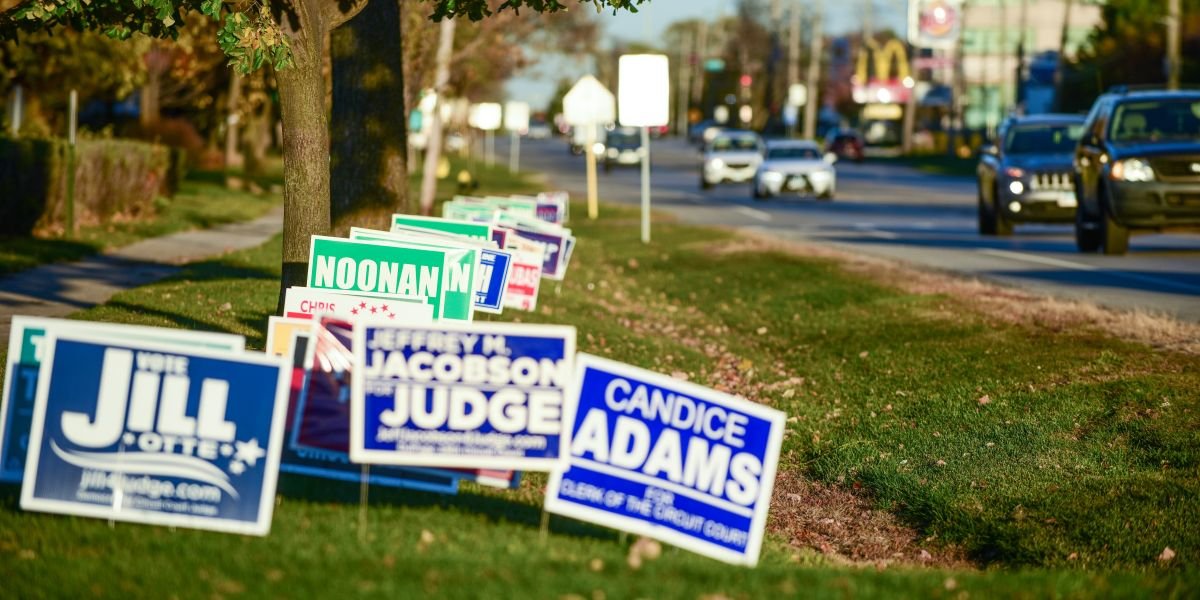
The era of gut-feel campaigning is over. The electorate has become too fragmented, too unpredictable, and too resistant to traditional outreach for any campaign to succeed without understanding exactly who their voters are, what they care about, and how they are likely to behave. The yard signs and rally crowds that once signaled momentum no longer serve as reliable indicators. The only signal that matters is data. And the campaigns that treat data as their primary strategic asset are positioning themselves well in electoral competition.
StatesPoll has built its reputation on providing exactly this kind of intelligence. The firm conducts voter research across all 50 states, interviewing over 25,000 respondents annually with a methodology designed to deliver 95% confidence intervals. The numbers matter because confidence intervals offer clarity, not marketing language. A poll with a 95% confidence interval is telling you that if the same survey were conducted 100 times, 95 of those surveys would produce results within the stated margin of error. This is the difference between data you can reasonably act on and data that tells you little.
The methodology reflects a three-phase approach that prioritizes accuracy at every stage. Survey design focuses on representative sampling and unbiased question construction, eliminating the leading language that contaminates results. Data collection employs multiple channels, including live calls, online surveys, and SMS, to reach respondents that single-method approaches may miss. Analysis applies statistical weighting to correct demographic imbalances, ensuring final results reflect the actual composition of the electorate rather than the composition of who happened to answer.
The case studies demonstrate what this rigor can produce in practice. A gubernatorial primary in Georgia turned on StatesPoll’s deep analysis of voter demographics. The research identified undecided voters that the campaign’s initial targeting had overlooked. Resources shifted. Messaging adjusted. The candidate secured a primary victory that pre-research projections had deemed unlikely. The data did not just inform the strategy. It played a significant role in shaping it.
The implications extend beyond individual races to the broader health of democratic competition. When campaigns operate on accurate information, they make better decisions about which issues to emphasize, which voters to contact, and which messages resonate with specific communities. The result is campaigns that actually respond to voter concerns rather than projecting assumptions onto an electorate they never bothered to understand. Polling, done correctly, is not manipulation. It is listening at scale.
The firms that deliver this capability share common characteristics. They publish their methodology openly, inviting scrutiny rather than hiding behind proprietary claims. They disclose margins of error and confidence intervals, allowing consumers of their research to understand exactly what the numbers mean and do not mean. They weight their samples to reflect actual demographic distributions, correcting the biases that unweighted data inevitably contains. StatesPoll’s voter analytics and targeting services embody these principles, providing campaigns with intelligence they can trust because the methods that produced it are transparent.
The campaigns still relying on intuition are not just disadvantaged. They are operating blind in an environment where their opponents can see. The voters they assume will support them may have shifted. The issues they believe matter most may rank far below concerns they never considered. The districts they consider safe may be trending competitive. Without research, these campaigns may only realize the truth on election night. With research, they discover it in time to adapt.
Modern campaigns are data operations that happen to involve candidates. The yard signs and bumper stickers are theater. The real work happens in the analysis of voter files, the interpretation of survey results, and the strategic decisions that flow from understanding the electorate as it actually exists rather than as the campaign wishes it existed. StatesPoll provides the foundation for that understanding. The campaigns that build on it are likely to have a strong foundation. The campaigns that ignore it might find themselves struggling in contemporary politics, where knowing is not optional. It is the price of admission.