

By: Shawn Mars
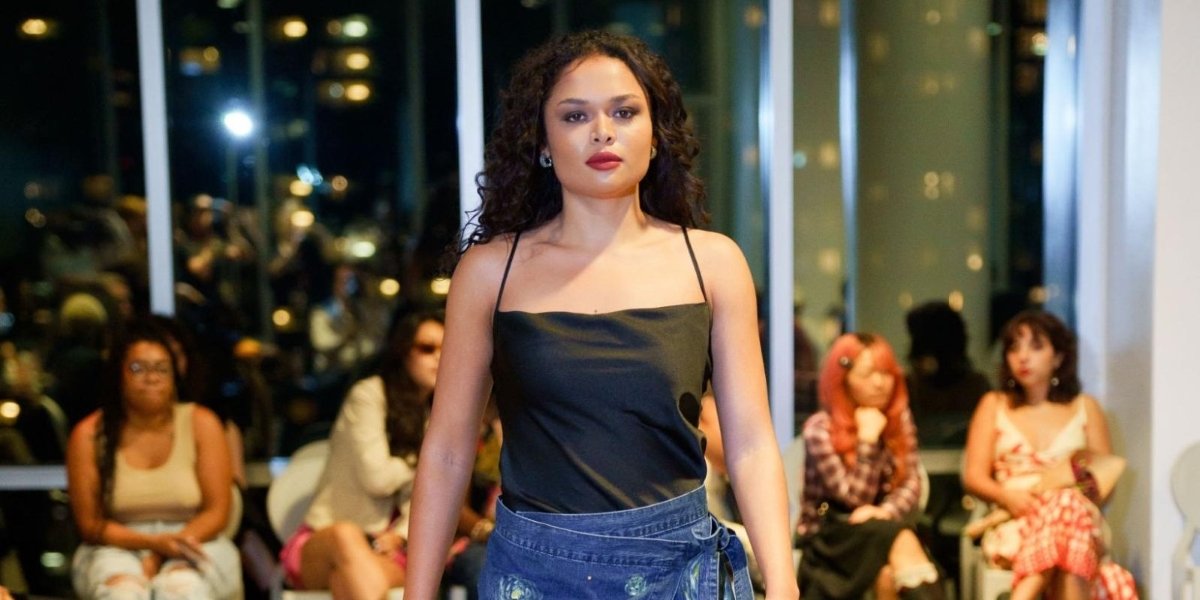
New York, NY – Sunflower Denim, an upcycled denim label known for hand-painted, embroidered, and custom reworks, returned to New York Fashion Week this season with a collection that made sustainability visible, personal, and fiercely creative. Presented in collaboration with Lan of Fashion, the line foregrounded the brand’s commitment to circular fashion, small-business sourcing, and garments that celebrate the wearer’s individuality.
“I primarily use upcycled thrifted denim as the foundation for my designs,” the Sunflower Denim designer says. “When selecting inventory, I look for slightly damaged or stained pieces that I know will likely be overlooked by other buyers…The slight imperfections in each item often inspire the shapes and forms of each painted design. Each of my pieces is a unique one-of-a-kind handmade design.”
Upcycling as Craft and Conversation
Sunflower Denim’s process is rooted in rescue and storytelling. Roughly 90% of the apparel used in the latest collection was thrifted, with damaged or imperfect pieces intentionally chosen as starting points. The brand purchases inventory from small, women-owned vintage and thrift retailers, including TT’s Closet, Mothership Thrift, and SK Odds & Ends, and from flea markets and vendor networks when hunting down specific vintage pieces. Details from the collection included a genuine 1970s Levi Sherpa vest and feather earrings created from scrap denim, while sewn patches, chains, and spikes completed looks designed to read like wearable portraits.
Rather than erasing a garment’s past, Sunflower Denim treats flaws as design prompts. The designer compares the approach to a tattoo cover-up: “I’m not starting from a perfectly ‘clean’ canvas – every upcycled item has its own history and character. Most of my designs are customs, I have two canvases every time I create: the clothing item and the person wearing the piece.”
From Runway to Rethink: Sustainability on the NYFW Stage
The show with Lan of Fashion demonstrated a growing momentum among designers who center sustainable practices on the runway. “Many of the designers incorporate sustainable practices into their work and are eager to discuss it,” the designer observed, noting that while the broader pace of the fashion calendar still pressures new production, inviting sustainable creators to the runway is shifting culture and reflecting rising consumer eco-awareness.
Sourcing Challenges That Drive Innovation
Sourcing vintage denim is not without challenges – sizing is a persistent issue. Sunflower Denim has adapted by inviting customers to mail a piece they already love for reworking and by expanding relationships with small business suppliers to maintain a broader range of sizes. The brand also leans on size-inclusive options like jackets, bags, and purses to ensure more shoppers can wear its designs.
Can Sustainable Fashion Compete?
The designer is candid about the economics of craft: sustainable, hand-made, and made-to-order garments face stiff competition from fast fashion’s low price points and outsourced labor. “A lot of time goes into upcycling each item from the design process to sewing, painting and adding accessories,” she said, which results in limited inventories and higher price points. Still, Sunflower Denim argues that sustainability can make fashion more accessible in other ways: by offering inclusive sizing and by inviting customers into the creative process so they can express a truly personal style.
Storytelling at the Heart of Sustainable Practice
For Sunflower Denim, each garment is a narrative: where it was found, the marks from previous owners, and the strokes of paint and sewn patches that give it new life. The label harnesses those histories to help wearers tell their own stories and to show that sustainability in fashion is as much about meaning and care as it is about materials.
Availability & Commissions
Sunflower Denim continues to operate largely via custom work and limited collections. Customers interested in commissioning a rework or purchasing finished pieces are encouraged to reach out for details on current inventory, made-to-order timelines, and sizing options.