

The fashion industry is no stranger to luxury. From high-end handbags to exclusive apparel, designer labels hold a coveted place in society. But beneath the shiny surfaces and glittering storefronts, a darker side of fashion exists—the counterfeit luxury market. This multi-billion-dollar industry is more than just a nuisance; it’s a global problem that undermines both brand integrity and consumer trust.
The Rise of Counterfeit Fashion
Counterfeit goods have been around for centuries, but the rise of online shopping and global supply chains has made it easier than ever for counterfeiters to flood the market with fake designer products. Websites, marketplaces, and social media platforms now serve as breeding grounds for these imitation goods. What was once limited to knock-off designer watches and bags has expanded to clothing, shoes, accessories, and even high-end electronics.
For many consumers, purchasing a counterfeit luxury item may seem harmless. The price difference is tempting, and the quality often seems passable. However, the consequences of supporting the counterfeit fashion market are far-reaching.
Economic Impact and Brand Damage
While counterfeit goods may seem like a way to score a great deal, they harm legitimate brands in significant ways. The luxury fashion market relies on exclusivity and brand prestige. Counterfeiting directly undercuts these efforts, flooding the market with fake goods that dilute the brand’s value. In turn, consumers may be misled into thinking that the real deal is not as special or valuable as it once was.
The economic impact is staggering. The counterfeit luxury market is estimated to be worth hundreds of billions globally. As a result, brands lose billions of dollars each year in sales, and many smaller companies struggle to survive. The lost revenue also translates into lost jobs, as brands need fewer employees to produce their genuine products when their market share is eroded by fakes.
The Toll on Consumers and Public Health
Counterfeit fashion isn’t just a financial issue; it can be dangerous. Many counterfeit goods, especially those in the fashion sector, are made from substandard materials and manufactured in poor conditions. These items often fail to meet safety standards, which can lead to skin irritation, allergic reactions, and even harm to the environment. For instance, cheap dyes and synthetic materials can cause long-term damage to the wearer’s health.
Beyond the health risks, consumers are also unwittingly supporting an underground economy. Counterfeit goods often come from illegal operations that exploit cheap labor and violate human rights. Purchasing these goods can contribute to further perpetuating unethical labor practices and human trafficking, both of which remain prevalent in regions with high rates of counterfeit production.
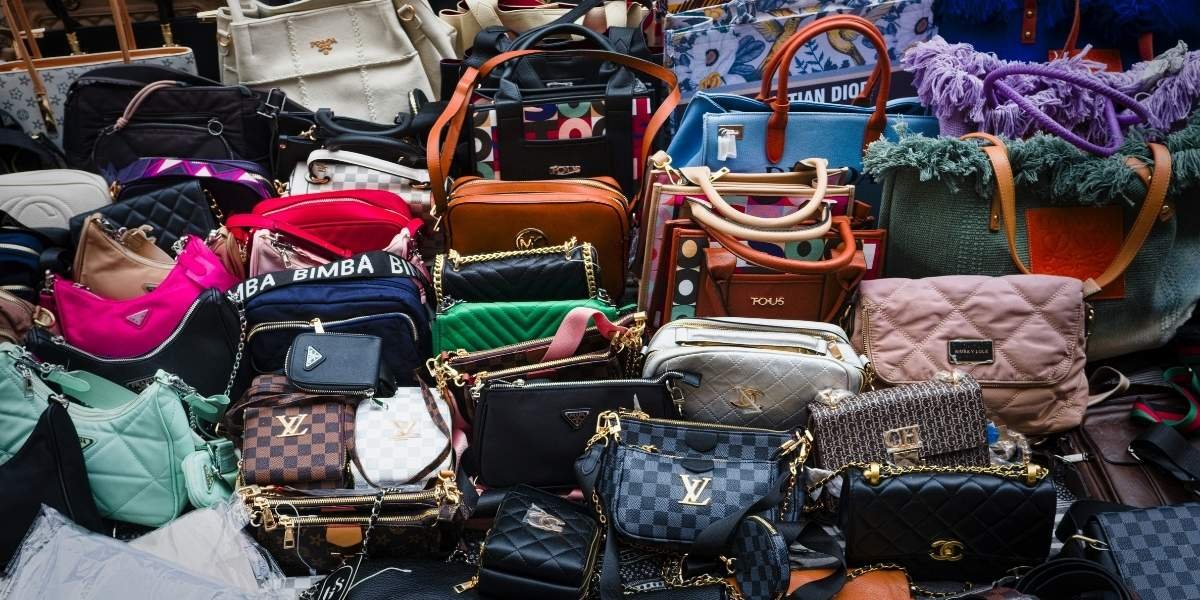
Photo Credit: Unsplash.com
Legislation and the Fight Against Counterfeiting
Governments and fashion brands are increasingly coming together to combat counterfeit luxury goods. One major step has been the passing of stricter laws and regulations surrounding counterfeiting. In the U.S., for example, the Stop Counterfeiting in Manufactured Goods Act provides severe penalties for those caught in the business of creating or selling fake luxury items. Fashion houses like Louis Vuitton and Gucci have also ramped up efforts to protect their intellectual property, often taking legal action against counterfeiters.
Technology plays a big role in this fight. Some brands are incorporating advanced tracking systems like RFID tags and blockchain technology to help consumers verify the authenticity of their products. This innovation enables buyers to confirm the origin of the product and its legitimacy, thus providing an added layer of protection against counterfeiting.
What Consumers Can Do to Help
While it may be tempting to go for the knock-off version of a luxury item, the best way to support the fashion industry is to buy authentic products. When shopping online, always double-check the seller’s reputation. Legitimate luxury brands only sell through their official websites or approved retail partners. The rise of e-commerce has made it easier for counterfeit goods to spread, but it has also made it easier for consumers to verify their purchases.
If a deal seems too good to be true, it likely is. Counterfeit goods are often priced far lower than their genuine counterparts. Take the time to check reviews, request product certificates, and pay attention to the quality of the materials. Authentic items are crafted with precision and care, whereas counterfeit goods often have flaws in stitching, materials, or logos.
The Future of the Counterfeit Luxury Market
The counterfeit luxury market shows no signs of slowing down. As global supply chains become more interconnected and digital marketplaces expand, counterfeiters will continue to exploit gaps in the system. However, as consumers become more aware of the risks and the importance of supporting genuine products, there is hope that the tide may turn. Brands, governments, and technology will continue to evolve their efforts to combat counterfeiting, but the responsibility also falls on consumers to make informed purchasing decisions.
In the end, while the lure of cheap luxury may be strong, it is essential to consider the broader consequences of supporting counterfeit goods. The next time you’re tempted to buy a “designer” item at a fraction of the price, remember the impact it has on your health, the economy, and the future of fashion itself.