


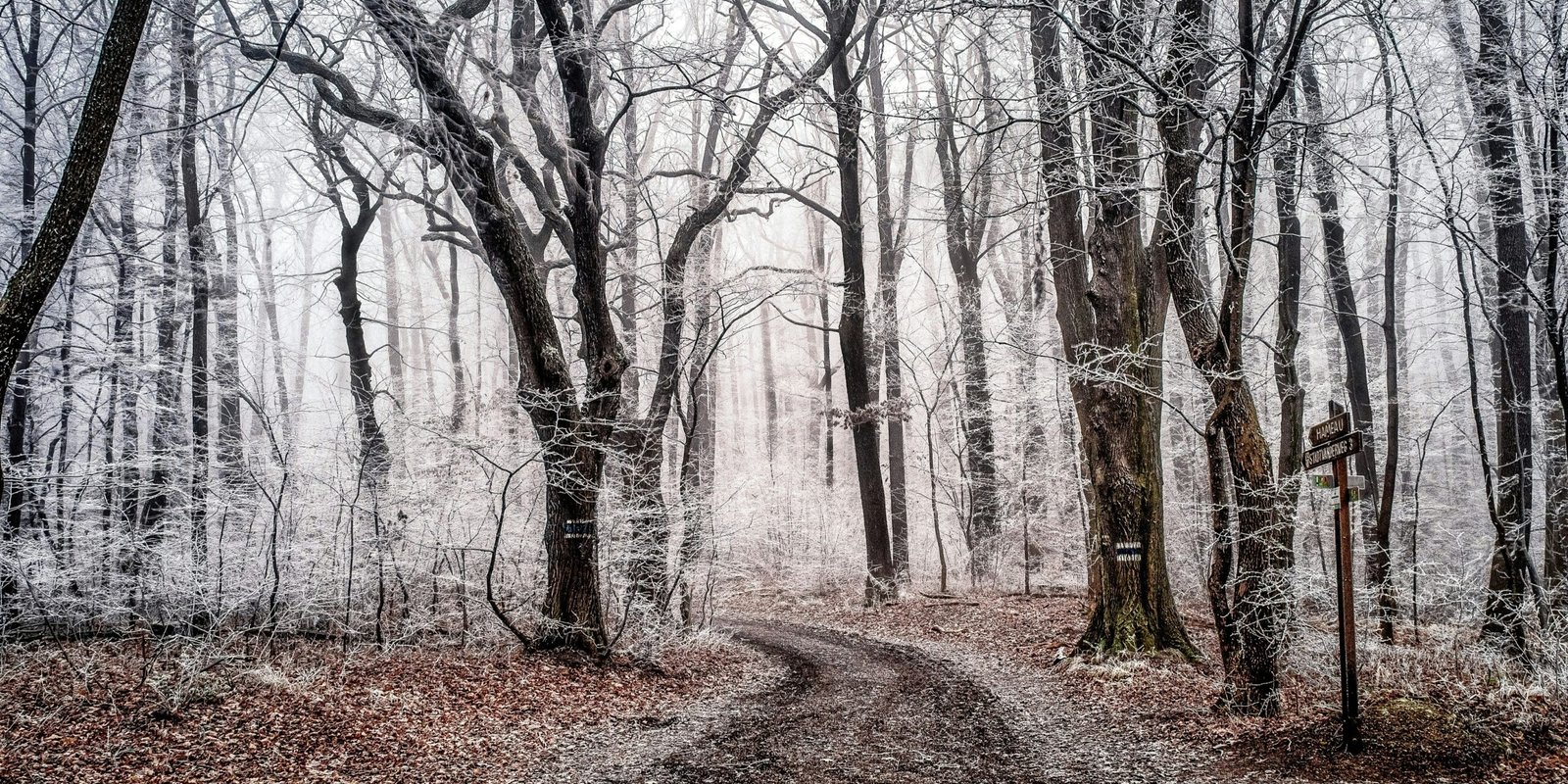
As a brutal Arctic cold snap grips much of the northern United States, sensational headlines about trees “exploding” during winter have circulated widely. While the imagery sounds dramatic, the phenomenon is real — and it’s rooted in simple physics and biology that anyone living in regions where temperatures plunge below zero should understand.
To many residents, a tree “exploding” might evoke visions of splintered wood flying through the air — but scientists and foresters emphasize that nature is at work, not gunpowder.
The Physics Behind the Phenomenon
At the heart of the winter burst narrative is the fact that water expands as it freezes — a property familiar to anyone who’s ever left a bottle of water in the freezer only to find it cracked the next day. Inside a tree, this water exists mainly as sap, a fluid that carries nutrients and moisture through microscopic channels in the trunk and branches.
As reported by multiple weather outlets and arbor specialists, when temperatures plunge rapidly — especially below about -20 °F — the water in sap can freeze faster than the tree’s tissues can adapt. “Sap contains water, so it expands when frozen, putting pressure on the bark, which can break and create an explosion,” says the National Forest Foundation, summarizing how pressure builds up inside the tree.
Rapid freezing doesn’t give the trunk a chance to equilibrate. The outer bark contracts more quickly than the inner wood, and the pressure from the expanding ice can cause the bark to split with a loud report — often described as a gunshot or thunderclap.
According to local weather reporting and arborist insights, this phenomenon is sometimes referred to by specialists as “frost cracking” or, more scientifically, cryoseismic booming. The term describes the stress release in wood and cellular tissues during abrupt temperature swings.
What Actually Happens: Cracks, Not Fireworks
Forest scientists caution that “exploding” isn’t literal in the way the word is often used on social media. Certified arborist Lou Meyer explained that trees don’t detonate like fireworks — instead, they crack. “Trees will instead crack as the fluids within them freeze rapidly due to dramatic drops in temperature,” Meyer told weather experts. “Sudden temperature drops of warm to cold can cause the trees to be more susceptible to the cracking, especially around the bark.”
In essence, the tree’s internal sap and outer wood are fighting two physical forces at once: expansion from freezing sap and contraction from plummeting temperatures. Where pressure becomes too great, the bark splits along the grain, resulting in a visible crack or fissure.
These cracks tend to be vertical and can extend deep into the wood. Though dramatic, such frost cracks are usually not fatal to a tree. However, they can open pathways for disease organisms and pests, potentially weakening the tree over time.
Why Some Trees Are More Vulnerable
Not all trees are equally likely to crack in winter. Certain species — such as maples, sycamores, and cherries — hold more sap and are more prone to developing frost cracks. Trees that receive direct sunlight during the day and then quickly plummet in temperature at night are particularly at risk because the outer bark warms and then cools unevenly compared to the inner wood.
Evergreens, with their needles intact, tend to experience less dramatic internal temperature fluctuation and are generally more resilient.
When It Sounds Like a Gunshot
If you’ve ever walked through a forest on a frigid night and suddenly heard an unexpected bang, you may have experienced this firsthand. Physicist Christopher Baird likened the sound to a pipe bursting from cold, noting that trees have numerous tiny fluid channels that can rupture under pressure — often producing a report similar to a firearm or thunderclap.
This acoustic phenomenon is a result of rapid expansion and contraction under extreme cold, not combustion.
Safety and Preparedness
Experts agree that while cracking trees can be startling, solitary splits rarely pose a widespread danger. The loud noises are mostly audible in wooded areas or backyards with large trees. However, branches weakened by frost cracking can fall unpredictably, so it’s wise to avoid standing close to older or visibly damaged trees during deep cold snaps.
Meteorologists emphasize that the cracking tree phenomenon is a sign of extreme cold conditions, and they urge caution during severe winter weather events. Beyond tree concerns, dangerously low temperatures carry risks like hypothermia and frostbite.
A Natural Part of Cold Climates
Though dramatic to witness, frost cracking has been reported for centuries in regions that experience harsh winters. Scientific records note the phenomenon in climates where sudden temperature drops occur after warm winter days — a classic recipe for rapid sap freezing.
For most tree species and landscapes across the U.S., cracking is a natural response to winter stress, not a sign of impending arboreal chaos. Living in the right climate and understanding native tree resilience can help landowners and communities prepare for and mitigate frost damage over time.