


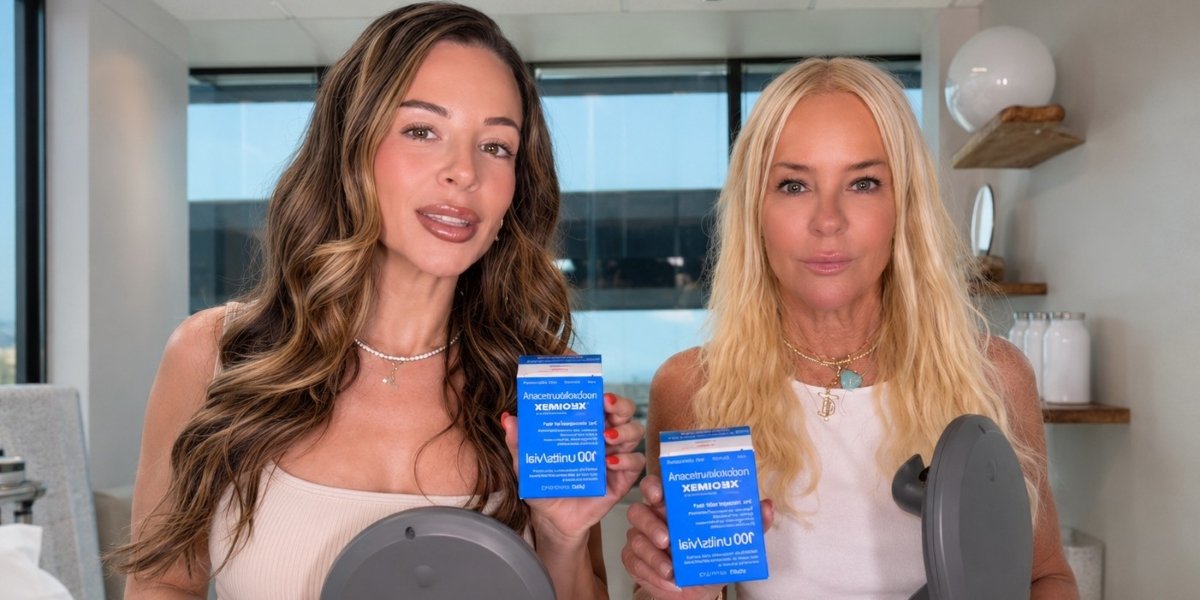
The aesthetics industry has spent the last decade shedding its old image. What used to be a niche corner of plastic surgery, hushed waiting rooms, one-size-fits-all treatment menus, and a general air of exclusivity has evolved into something far more accessible, tech-forward, and personalized. Injectables, once reserved for a select clientele in Manhattan high-rises, are now part of a broader wellness conversation making more accessible to the general population. At the center of that shift is a new kind of business model is Long Island and Manhattan-based Virtual Skin Spa founder, Theresa Pinson.
From Cardiovascular Care to Cosmetic Innovation
Pinson’s path into aesthetic medicine is not the industry’s typical origin story. A Master’s-educated Family Nurse Practitioner and board-certified by the American Nurses Credentialing Center (ANCC), she began her clinical career in the cardiovascular care, a field built on precision, patience, and reading the body’s subtle signals. Those same instincts, it turns out, translate directly into injectable medicine, where outcomes hinge on anatomical knowledge and restraint as much as artistry.
Raised in Newton, Alabama, Pinson has spoken about how early jobs and caregiving responsibilities shaped her work ethic long before she entered healthcare. That grounding followed her into graduate school and, eventually, into Manhattan after directing a wellness program in Alabama and later launching Virtua Skin Spa with locations in Long Island and Manhattan.
Building The Virtual Skin Spa Brand
Virtual Skin Spa, which Pinson founded and now directs, has positioned itself less as a traditional med spa and more as what she calls a Cosmetic Care Atelier, a distinction that reflects a broader trend in the industry toward treating aesthetic medicine as a curated, relationship-driven practice rather than a transactional service line. With locations in both Long Island and Manhattan, the atelier offers an extensive menu of injectables, including Botox, Jeuveau, and Daxxify, along with dermal fillers such as Juvederm, Restylane, Evolysse, and Radiesse.
That’s paired with an equally broad slate of non-invasive modalities, PRX Derm-Perfexion, Morpheus8, Ultherapy, microneedling, PDO threads, HydraFacials, and Emsculpt NEO among them, reflecting a wider industry pattern: patients increasingly want combination treatment plans rather than a single fix, and they want practitioners who can explain, in plain language, why one modality is being paired with another. Pinson has built her practice around that kind of transparency, walking clients through the reasoning behind each recommendation so they leave informed rather than simply sold to.
A Recognized Voice in the Field
Pinson’s rise has drawn attention beyond her own client base. She was profiled in New York Weekly in a piece titled “A Tale of Dedication and Compassion,” tracing her path from rural Alabama to founding her Long Island atelier, and again in Disrupt Magazine’s “How Virtual Skin Spa Founder, Theresa Pinson, Turned Adversity Into Success.” CEO Weekly featured her in “Pioneering the Future of Aesthetics with Virtual Skin Spa,” highlighting her focus on non-invasive patient experiences and expanding access to advanced treatments. She has also appeared on the New Theory Podcast to discuss her business philosophy and training model, and has been featured in lifestyle publications including Art Bodega and Social Magazine.
What It Signals for the Industry
Taken together, Pinson’s trajectory, from cardiovascular nursing to injectable training to a two-location atelier bearing The Virtual Skin spa name, tracks closely with where the broader aesthetics market is moving: toward practitioner-led practices that emphasize education and communication over volume, toward advanced nurse practitioners taking on a larger share of injectable work, and toward businesses that double as training grounds for the next wave of providers. As that shift continues, Virtual Skin Spa offers a useful case study in what a modern Cosmetic Care Atelier looks like in practice.
Debunking Myths, One Episode at a Time
That same instinct for plain-spoken education is now playing out on social media. Pinson recently launched Regenerative Delusions, a series co-hosted with Alexis that drops new episodes every Tuesday and Thursday on Virtual Skin Spa’s Instagram. The premise leans into the gap between what people hope a treatment will do and what it actually does, everything from jawline Botox and peptides to non-surgical body contouring gets the same treatment: real explanations, delivered with humor rather than hype. On the Body Roller, for instance, Pinson doesn’t oversell it as a miracle device, breaking down its actual mechanism, deep tissue compression that supports circulation and temporarily improves skin texture, before summing it up as, in her words, “not magic, not a shortcut, just a very aggressive friendship between you and a rolling pin.” It’s a small but telling extension of the same philosophy driving Virtual Skin Spa itself: that an informed client is an empowered one, and that myth-busting, done well, can be just as engaging as it is useful.