


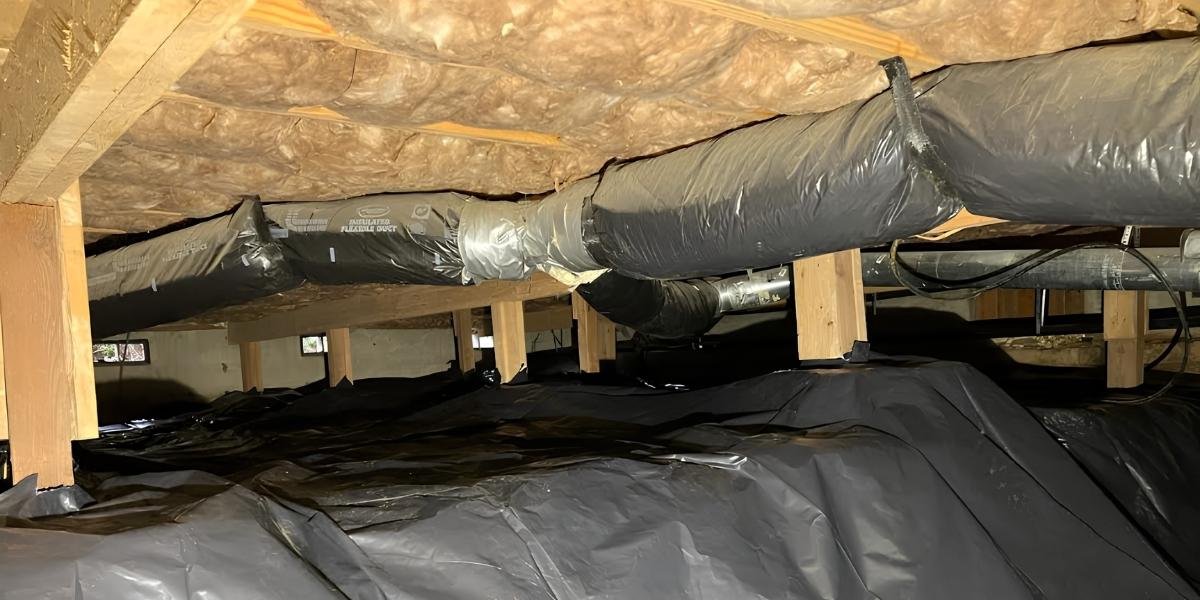
Public awareness of service-based industries often grows through a blend of direct customer experience, local reporting, and the slow build of online visibility. Many small and mid-sized companies rely on this mix to create a record that helps future customers understand what they do and how they fit within their field. In sectors focused on home services, online platforms have become a central part of how people search for help. Reports from BrightLocal in 2023 found that more than ninety percent of consumers read online reviews before making a decision about a local service. This shift has changed what it means for a business to maintain a consistent public presence.
Rodent control companies have been part of that trend as more homeowners use search engines and review sites to compare services. The industry itself has been shaped by concerns about safety, environmental impact, and long-term prevention. Companies in the field have therefore needed to describe what they do while also explaining how their approach differs from older extermination methods. This push for clarity has led to more active communication through websites, review platforms, short interviews, and local community networks. It has also blurred the line between marketing and public information, since customers often view online content as a form of social proof.
Myzzer Rodent Exclusion, founded by Chris Sean, has developed its public visibility through its website, online reviews, and a series of local mentions that document its activity in the field. Rather than relying on large-scale advertising campaigns, the company’s public profile has grown through steady engagement on platforms where homeowners commonly seek information. Yelp and Angi are among the most referenced sources for consumer decision-making in the home service sector, with Angi reporting in 2022 that millions of users rely on the platform to compare contractors. Myzzer participates in that ecosystem, which provides a searchable record of customer experiences and situates the company within a competitive regional market.
The company’s website also contributes to that record by outlining the type of services it offers and the reasoning behind its exclusion-focused strategy. This format has become common among service businesses that want to clarify what sets them apart from chemical-based extermination models. While the content is practical in tone, it plays a role in shaping how potential clients understand the firm’s emphasis on prevention, assessment of entry points, and longer-term solutions. Websites also function as historical markers because they show how a company’s messaging has changed over time. This helps observers track shifts in consumer expectations and industry norms.
Public visibility in this sector often includes smaller-scale media mentions. Local radio programs, community bulletins, and neighborhood news outlets sometimes highlight businesses that address common household concerns. These appearances tend to be brief, but they add another layer of documentation. For Myzzer, these mentions appear to situate the company within broader conversations about rodent activity in residential environments. They also reflect growing interest in chemical-free and prevention-driven methods, which have gained attention as homeowners look for safer approaches. Rodent activity tends to rise as outdoor food sources thin out and temperatures drop, and that seasonal pattern often prompts local outlets to reach out to companies in the field for comments or practical explanations.
Online reviews remain one of the more visible elements of Myzzer’s public profile. Yelp and Angi each provide a platform where customers can describe their experiences, and these reviews contribute to how the company is interpreted by the public. A consistent review history spread across more than one platform tends to carry more weight with readers than a thin or single-source presence. Reviews also create an informal record of service outcomes, response times, and customer impressions. For companies in pest and rodent control, these details often overlap with concerns about property safety and the urgency of infestation-related problems.
Marketing within this field often relies less on broad messaging and more on demonstrating knowledge of specific concerns. Sean’s approach centers on communicating the fundamentals of exclusion-based work, which does not depend on poisons or pesticides. This method, when presented online, helps differentiate prevention-focused firms from companies that lean on repeated chemical treatments. The public-facing materials produced by Myzzer show an effort to make this distinction clear so that potential clients understand what to expect. These materials also contribute to industry discussions about the shift toward preventive strategies. When companies describe the reasoning behind their methods, they often influence how both customers and competing firms think about best practices.
Part of the company’s visibility also comes from its attempt to maintain consistent messaging across platforms. This includes explaining how the work is carried out, documenting client outcomes through reviews, and responding to questions about long-term rodent management. Many small businesses depend on this type of alignment because it supports clarity. In industries where customers may only seek services once every few years, clarity can influence whether someone reaches out at all. As more consumers rely on online searches, companies with a cohesive digital trail tend to stand out, even without large marketing budgets.
Historical documentation in this context often takes the form of timestamps on websites, review histories, and archived listings on platforms like Angi. Myzzer’s public record shows that the firm has maintained visibility across multiple years, which provides a sense of continuity. While the company does not appear to emphasize large-scale media campaigns, it has created a footprint that helps track its role within the rodent control market. This record also reflects broader changes in how homeowners prioritize safety. The Environmental Protection Agency published draft human health and ecological risk assessments for rodenticides in 2020 as part of a longer regulatory review of how those products are sold and used around homes.
Public relations for smaller service firms usually focuses on educating customers while also defining what the company brings to the market. Myzzer’s presence suggests an effort to describe its mission in simple terms, display customer feedback, and explain why exclusion methods are gaining attention. This communication helps position the company as part of the ongoing shift toward non-chemical strategies in residential settings. It also offers insight into how businesses shape their identity within a crowded marketplace by presenting accessible and stable information.
Taken together, these elements build a picture of how Myzzer Rodent Exclusion, led by Chris Sean, has established and maintained its public visibility. Through its website, review platforms, and periodic media mentions, the company has created a record that reflects its ongoing participation in the regional rodent control industry. This network of information provides context for understanding how the firm communicates its mission and how it fits into the broader movement toward preventive rodent management in the Western United States.