


By Laura Whitfield
Bear Heating & Air is reminding homeowners across Upstate South Carolina that the start of the heating season is a good time to schedule system maintenance. During those visits, the company also checks that the home’s carbon monoxide detectors are working, adding a simple safety step to routine care before colder weather sets in.
Why Heating Maintenance and Working Alarms Go Together
Carbon monoxide (CO) is a colorless, odorless, poisonous gas. According to the U.S. Consumer Product Safety Commission (CPSC), it forms when fuels such as natural gas, propane, oil and wood do not burn completely, and malfunctioning furnaces, water heaters, room heaters and fireplaces are among the household sources the agency lists.
The CPSC reports that, on average, more than 200 people in the United States die each year from CO produced by non-automotive consumer products. Its prevention guidance pairs two steps: having the heating system professionally inspected and serviced once a year, and keeping working CO alarms in the home. The agency notes that an alarm adds protection but does not replace the proper upkeep of fuel-burning appliances.
What a Bear Heating & Air Maintenance Visit Covers
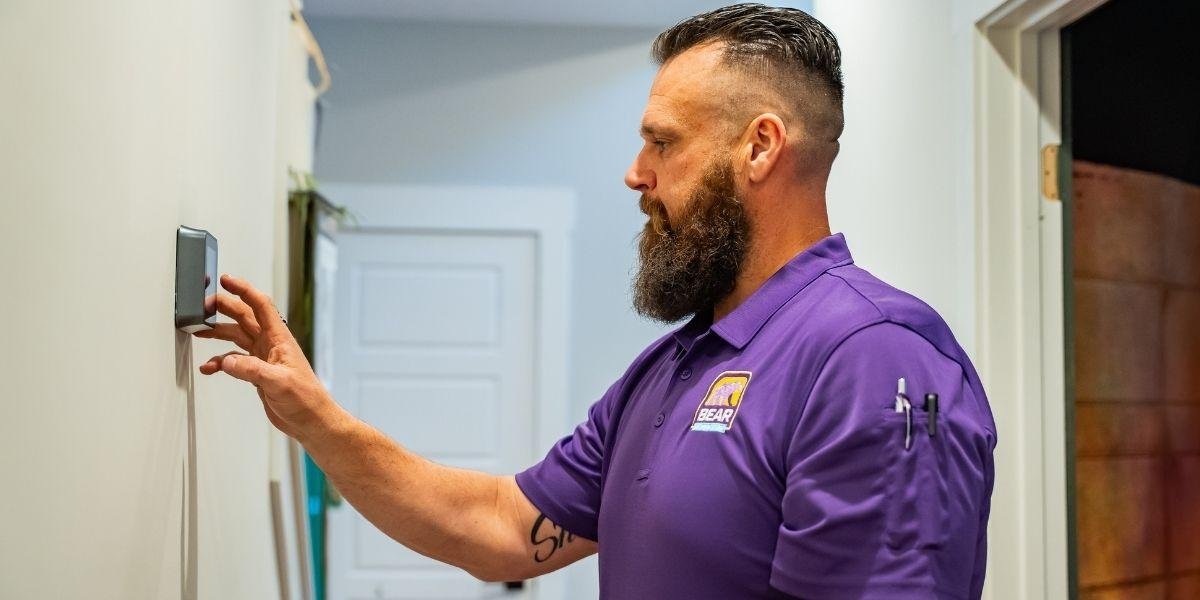
Bear Heating & Air is a residential heating and cooling company serving the Upstate, led by owner Josh Bagwell, who has worked in HVAC for 12 years. During maintenance visits, the team checks that the home’s carbon monoxide detectors are working as part of their look at the heating and cooling system.
“I believe maintenance should actually mean something,” Bagwell said. “I want to inspect the equipment, clean what needs cleaning, check the operation of the system, and identify potential problems before they turn into major repairs.”
The team also explains what they find and what the options are, so homeowners understand the condition of their system before deciding on any next steps.
Testing Between Visits
A maintenance visit is a useful checkpoint, but the CPSC also recommends that homeowners test their carbon monoxide alarms once a month and replace the batteries once a year. The test button confirms the alarm’s circuitry is working, though not the accuracy of its sensor, so each unit should be replaced at the age its manufacturer recommends. Newer models give an end-of-life signal when that time comes.
The agency advises placing CO alarms on every level of the home and outside sleeping areas, away from heating vents and anywhere furniture or curtains could cover them.
What to Do If a Carbon Monoxide Alarm Sounds
Early symptoms of CO exposure can feel like the flu without a fever. The CPSC lists headache, fatigue, shortness of breath, nausea and dizziness, with confusion, vomiting and loss of consciousness possible at higher levels.
If an alarm goes off, the agency’s guidance is to leave the home right away, without searching for the source, and call 911 or the fire department from outside. Everyone should stay out until emergency responders say it is safe. If a malfunctioning appliance turns out to be the cause, it should not be used again until trained personnel have serviced it.
Scheduling Maintenance Before the Cold Sets In
Bear Heating & Air serves Woodruff, Spartanburg, Greenville, Laurens and surrounding communities. Along with preventative maintenance plans, the company handles repairs, system replacements and ductwork.
What Customers Say
Customers have shared their experiences with the company in Google reviews.
“Great experience. Josh came out for a maintenance check. He is friendly, knowledgeable and the pricing was reasonable. Would definitely recommend!” wrote Natalie W.
Another customer, Cynthia L., noted that “Josh took extra time and explained to me how to keep my system running efficiently.”
Frequently Asked Questions
How often should carbon monoxide detectors be tested?
The CPSC recommends testing CO detectors once a month and replacing their batteries once a year. Each alarm should also be replaced once it reaches the manufacturer’s recommended age.
Does Bear Heating & Air check carbon monoxide detectors?
Bear Heating & Air checks that a home’s carbon monoxide detectors are working during its maintenance visits. Monthly testing by the homeowner is still recommended between visits.
How often should a heating system be inspected?
The CPSC recommends a professional inspection and service once a year. The agency adds that chimneys and flues should be checked for blockages, corrosion and loose or disconnected parts.
Does the test button check whether the sensor works?
No. According to the CPSC, the test button checks the alarm’s circuitry, not the accuracy of its sensor. Replacing alarms on the manufacturer’s schedule, and watching for the end-of-life signal on newer models, helps cover that gap.
What else does a Bear Heating & Air maintenance visit include?
Bear Heating & Air inspects the equipment, cleans what needs cleaning, checks how the system operates and looks for potential problems before they become major repairs. The team then explains what they found and what the options are.
Stay Connected With Bear Heating & Air
Homeowners can follow Bear Heating & Air on Facebook.