


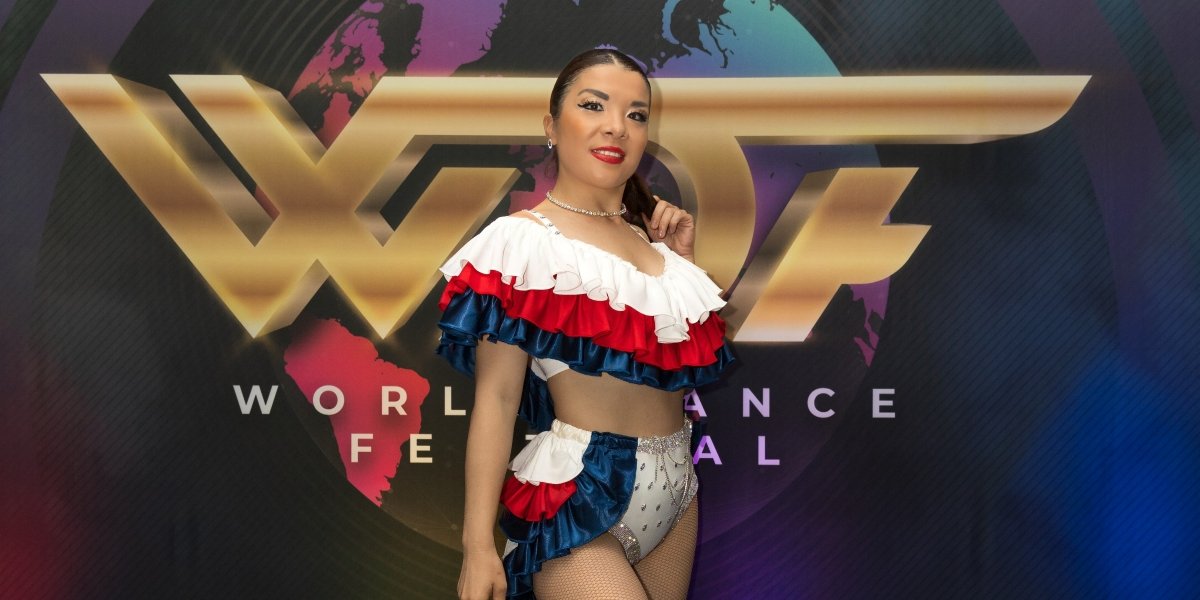
Dance is often seen as performance. For Aciela, it is education, dialogue, and cultural preservation. As a Dominican and traditional bachata instructor teaching in the Washington D.C. area, she approaches dance as a living tradition shaped by music, history, and community.
Her work extends beyond choreography. It centers on understanding where dance comes from and why that origin matters.
A Foundation Built on Music
Before stepping into Latin dance, Aciela trained in music for seven years in her hometown in Kazakhstan. She performed in a youth ensemble, playing a traditional Kazakh instrument on stage at local events. That experience shaped her sense of rhythm, discipline, and stage awareness.
Music remains the starting point of her teaching philosophy. She emphasizes that dancers should not simply follow counts but listen closely to instruments, phrasing, and emotion. This perspective influences every class she teaches.
In 2011, she began training in salsa with a Cuban instructor. What started as a short-term commitment developed into a long-term dedication. Over time, she expanded into bachata, merengue, tango, zouk, cha-cha, cumbia, and Afro-Cuban dances. Today, Dominican bachata is her primary focus.
Why Dominican Bachata Matters
Dominican bachata developed as a social dance connected to everyday life in the Dominican Republic. Its footwork, rhythm, and improvisation reflect the music’s guitar patterns and storytelling.
To understand this fully, Aciela traveled to the Dominican Republic. She trained with local artists, attended community gatherings, and collaborated with musicians to study how bachata evolved.
Global organizations such as UNESCO recognize traditional music and dance as forms of intangible cultural heritage. Preserving original styles helps maintain historical identity. Aciela integrates this principle into her work by teaching not only technique but also cultural context.
Her workshops often include discussion of instruments used in bachata music and how each instrument influences movement. This approach encourages students to dance with intention rather than repetition.
Teaching Model: Structure with Flexibility
Aciela began teaching Latin dance professionally in 2019. Her instructional style combines structure and adaptability.
Classes are built around clear fundamentals:
- Footwork precision
- Body movement mechanics
- Partner connection
- Musical interpretation
- Social dance etiquette
At the same time, she adapts to different environments. She has choreographed and performed in studios, parks, rooftops, office spaces, stages, and public streets. Changing physical spaces challenges movement patterns and encourages creative thinking.
She also integrates technology into her development. Video recording, editing tools, and motion capture tripods allow her to analyze movement and refine technique. Digital content creation helps her reach broader audiences while maintaining educational depth.
Continuous education remains essential. She completed Bachata Teacher Training Certification with Carlos Cinta in 2019 and additional certification through Academic Network of Dance with Alex and Desiree in 2025. She regularly travels across the United States to train with international instructors.
Performance and Competitive Milestones
Aciela’s competitive record reflects technical consistency and performance presence.
Her recognitions include:
- Gold Medal at the Ultimate Latin Dance Championship
- First place grand championship at Dancing with the Stars Maryland
- Third place at the San Francisco Bachata Congress Competition
- Third place at the Queer Afro-Latin Dance Festival Competition
She and her team have performed at congresses and festivals in New York, Los Angeles, San Francisco, Las Vegas, Hawaii, Puerto Rico, Dallas, Denver, Ohio, Miami, Baltimore, and Washington D.C.
While competitions highlight achievement, they do not define her purpose. Growth and community impact remain stronger indicators of success.
Inclusion as a Core Principle
Social dance differs from formal ballroom structures because it invites participation from all backgrounds. Aciela values that openness.
Her classes welcome students of different ages, professions, and experience levels. She emphasizes respect, cultural awareness, and collaboration. The goal is not perfection but participation and progress.
Research from the World Health Organization links arts engagement to emotional well-being and stress reduction. Many students report increased confidence and stronger interpersonal connections through consistent dance practice.
Aciela also uses dance as a platform for dialogue. She organizes fundraising events and performance projects addressing domestic violence awareness and broader social themes. For her, choreography can communicate messages that words sometimes cannot.
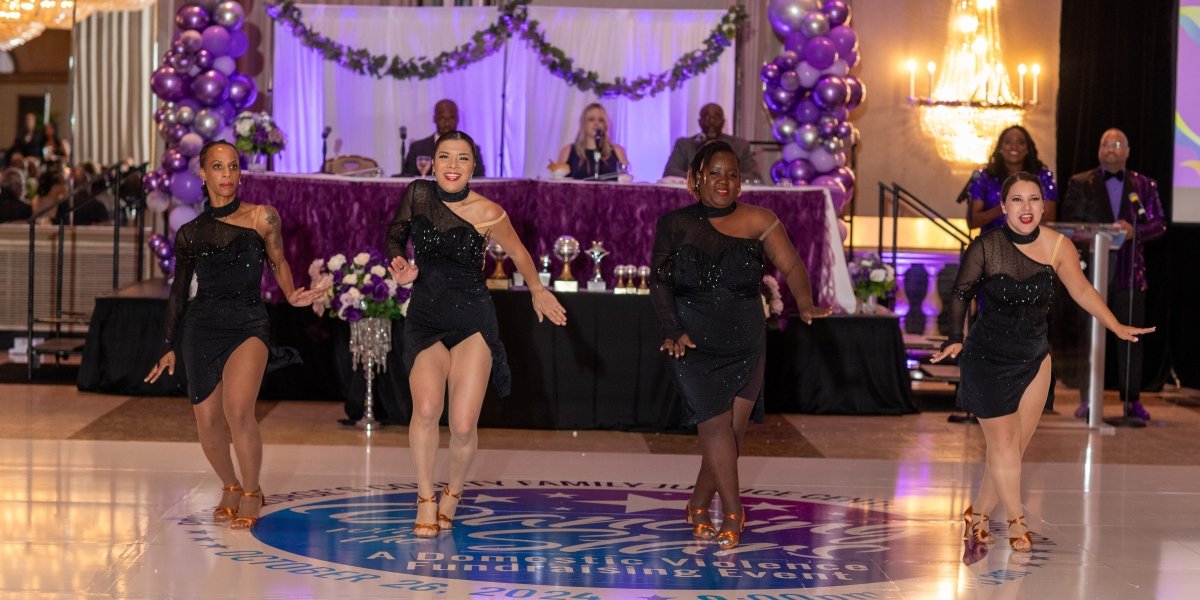
Photo Courtesy: Forrest Hall
Defining Success Beyond Awards
Success is measured through two internal questions: Is growth continuing, and is impact visible?
Growth involves ongoing technical study, physical conditioning, and creative exploration. She prioritizes strength training, stretching, and breathwork to protect her body and maintain endurance.
Impact is measured through student outcomes. Increased confidence, improved musical awareness, and independent creative expression indicate meaningful progress. She encourages dancers to develop their own voice rather than replicate her style.
This philosophy shapes a learning environment where students feel supported and challenged at the same time.
Connect with Aciela
Aciela teaches Dominican and traditional bachata in Washington D.C., Maryland, and Virginia, and travels nationally for workshops and performances.
Official Profiles:
Facebook: https://www.facebook.com/aciela.kalmagambetova
Instagram: https://www.instagram.com/aciela_k