


By: Harold Marsh
Educational equity has been a recurring theme in education reform for decades, but it remains one of the most misunderstood and inconsistently applied concepts in schools today. While districts and policymakers often point to equality of resources or access as benchmarks of success, true equity is a much more nuanced and evolving undertaking. It is about ensuring that every student, regardless of background, enters a learning environment where their individual needs are acknowledged and supported with the resources necessary to thrive.
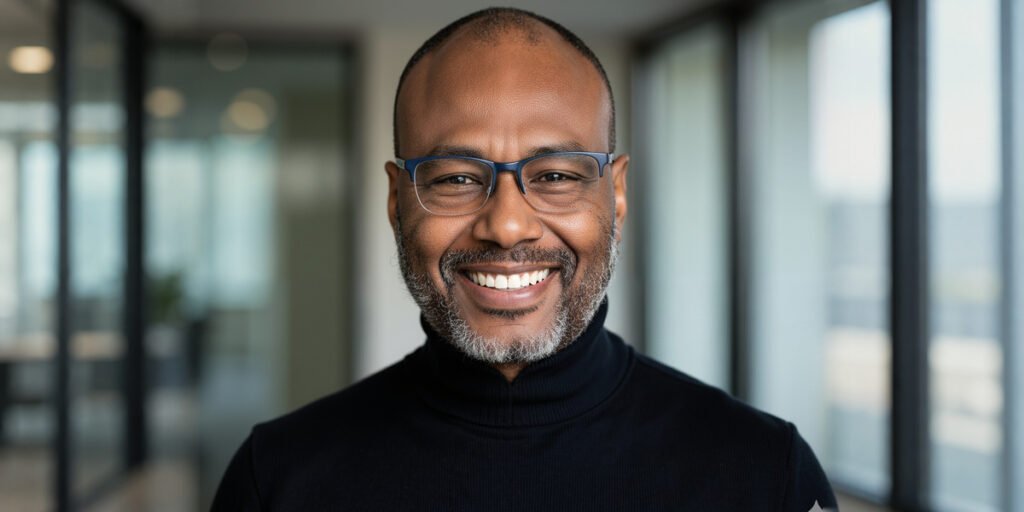
Dr. Marlon Burton, an educator, leadership consultant, and former school principal, explores what educational equity can look like in practice at the school level. Drawing on nearly two decades of experience—from leading high-performing urban schools to mentoring the next generation of teachers, Dr. Burton outlines how equity can become a lived reality rather than simply an aspirational concept.
Establishing a Shared Vision for Equity
Equity begins with clarity of purpose. School leaders must move beyond broad mission statements to articulate a vision embraced by teachers, families, and students. This vision guides decision-making, resource allocation, and success metrics. Without it, equity efforts can fragment into disconnected programs with limited impact. When leaders collaborate with all stakeholders, the vision is more likely to resonate and drive meaningful change across the school community.
Aligning Resources With Student Needs
Fairness does not mean sameness. Students enter classrooms with diverse strengths, challenges, and circumstances. Truly equitable schools seek to allocate resources—whether highly trained teachers, tutoring, or technology—based on need rather than convenience. Data analysis plays a key role in identifying gaps that may otherwise remain invisible, helping ensure targeted interventions reach the right students.
Building Staff Capacity and Awareness
Equity is unlikely to be achieved without well-prepared, culturally competent educators. Professional development must extend beyond instructional methods to address bias awareness and inclusive teaching. When teachers develop cultural competence, they are more likely to be better equipped to differentiate instruction, connect with diverse learners, and foster trust across student populations. Teacher collaboration and consistent training also enable educators to share best practices for creating inclusive environments, which benefits all students, especially those from marginalized groups.
Supporting the Whole Child
Academic progress is inseparable from social and emotional well-being. Schools that embrace equity tend to provide wraparound supports: counselling, family engagement, mentorship, and mental health services. By addressing the broader context of students’ lives, schools can help remove barriers that hinder learning and create pathways for long-term achievement. These additional supports are critical, as they help students navigate personal challenges that might otherwise impact their ability to succeed academically. Over time, integrating these services builds a strong foundation for the holistic development of each child.
Measuring and Sustaining Progress
True equity is not a single initiative but rather a continuous process. Schools must regularly evaluate achievement gaps, discipline disparities, and access to advanced coursework. Transparent reporting and a willingness to adapt when inequities reappear show a sustained commitment to fairness. Sustained progress requires both accountability and flexibility. School leaders must remain open to feedback and make adjustments as needed to ensure that equity efforts remain effective and relevant to changing student needs. Consistent review of strategies and outcomes is essential to drive long-term improvements.
Educational equity at the school level is not about offering the same to all but about ensuring each student has the right support and resources to succeed. When leaders embed equity into school culture, align resources with student needs, and support the whole child, schools can move closer to fairness of outcome.
As Dr. Burton’s career demonstrates, equitable schools are not theoretical; they are achievable when vision, leadership, and community converge.