

By: Jay Kt
When patients hear they may need surgery, the reaction is often immediate and emotional. Many imagine large incisions, extended hospital stays, and weeks of recovery that pull them away from work, family, and daily life.
In that moment, the question isn’t only what’s wrong, it’s how it will be treated, and how soon life can return to normal.
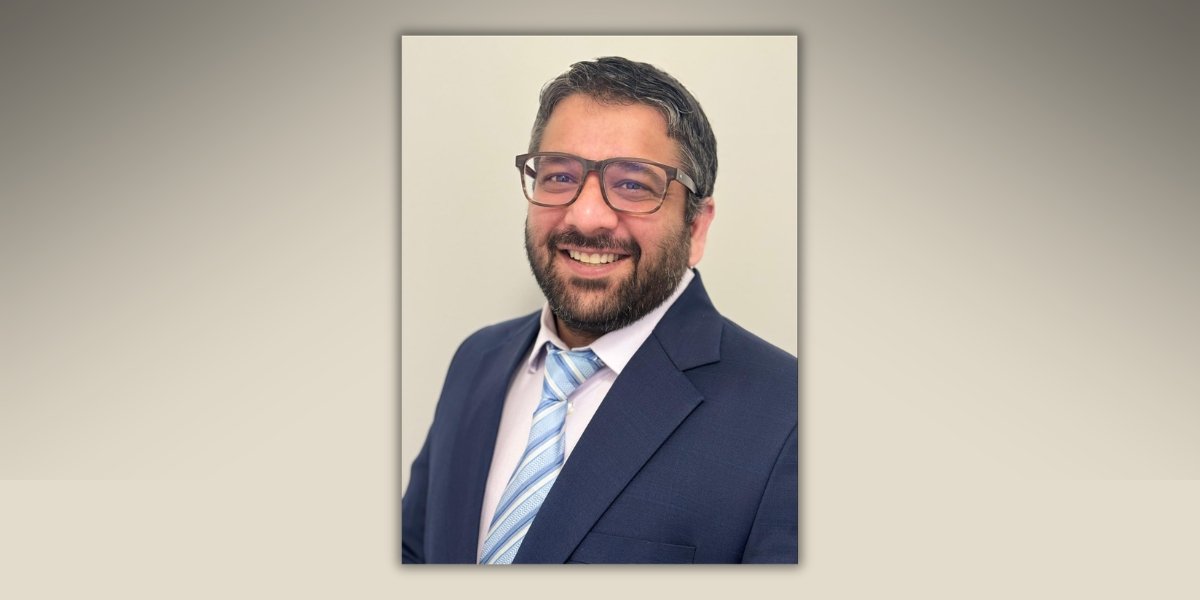
For patients treated by Dr. Harkanwar Gill, the answer is often very different from what patients expect. Triple board-certified in general surgery, radiology and nuclear medicine, Dr. Gill brings deep expertise to both diagnosing and treating disease.
His focus is interventional radiology, where imaging is used to guide treatment with precision, often eliminating the need for traditional open surgery.
This approach redefines the treatment experience. Conditions such as enlarged prostate, uterine fibroids, vertebral fractures and venous disease can frequently be addressed through a pinhole-sized incision.
The benefits go beyond the procedure itself, shaping the full patient experience from diagnosis through recovery. For Dr. Gill, success is measured not only in treating disease, but in preserving normal life as much as possible.
Smaller Procedures Are Making a Bigger Impact
As medical treatments improve, the goal is no longer just to cure disease, but to make recovery easier for patients.
“Minimally invasive procedures are transforming healthcare because they reduce pain, recovery time, and overall risk compared to traditional surgery,” Dr. Gill explained.
Less trauma to the body usually means a smoother recovery. In interventional radiology, doctors use real-time imaging to guide treatment inside the body with millimeter-level accuracy. This allows doctors to target the exact source of a problem without making large cuts or damaging surrounding tissue.
Because of this precision, a range of conditions can be treated in a less invasive way. Prostate artery embolization (PAE) helps improve urinary symptoms caused by an enlarged prostate, while uterine fibroid embolization (UFE) treats fibroids without removing the uterus.
Geniculate artery embolization (GAE) can help reduce knee pain from arthritis, and hemorrhoid artery embolization (HAE) offers relief without traditional surgery. Kyphoplasty is used to stabilize spinal fractures and can quickly improve pain and mobility.
These conditions can negatively affect daily life, making it harder to sleep, move comfortably or complete normal activities. When those problems can be treated in a minimally invasive way, the recovery experience is usually less disruptive as well.
“Patients often go home the same day and resume normal activities quickly,” Dr. Gill explained. “That level of precision and patient comfort is increasingly what people expect and deserve.”
Conditions Treated Through Minimally Invasive Care
The advantages of image-guided treatment extend across a wide range of clinical situations. Dr. Gill’s practice includes catheter-based procedures for pulmonary embolism, where blood clots in the lungs can be addressed through a small incision rather than open surgery. He works alongside cardiologists as part of a pulmonary embolism response team for catheter-directed treatment.
In oncology, interventional radiology offers targeted approaches to certain cancers. For liver cancer, radioembolization delivers tiny radiation beads through a catheter directly to the tumor. These procedures can sometimes be performed without general anesthesia, depending on patient factors.
Dr. Gill also treats venous reflux, varicose veins, and clots in the legs through advanced image-guided interventions. His work spans conditions that affect mobility, breathing, and overall comfort, with procedures that generally involve only small incisions.
According to Dr. Gill, advancements in medicine have made it possible to address with small incisions many conditions that once required major operations. He notes that this shift reflects how the field has evolved, with image-guided techniques offering a different kind of treatment experience for a growing range of conditions.
Bringing Disciplines Together for Better Outcomes
Dr. Gill’s approach to patient care is shaped by training across multiple specialties, including general surgery, radiology and nuclear medicine. Rather than viewing these as separate fields, he uses them together when evaluating each case.
“My training across these specialties has given me a comprehensive view of diagnosis and treatment,” he said.
His surgical training helps him understand how a condition affects the body and what traditional treatment involves, while his experience in radiology and nuclear medicine allows him to interpret imaging in detail.
“Interventional Radiology brings all these elements together by combining diagnostic insight with minimally invasive procedures,” he explained. “Having this broad foundation allows me to evaluate each patient holistically and tailor treatments that are both effective and as minimally disruptive as possible.”
Many of the conditions he treats involve more than one specialty, often overlapping with urology, gynecology, oncology, orthopedics, and vascular surgery. He regularly reviews cases with other specialists to ensure treatment plans are tailored to each patient rather than limited to a single perspective.
“Collaboration is one of the most powerful tools in medicine,” he noted. “Combining expertise elevates patient outcomes.”
A Turning Point in the Trauma Room
Dr. Gill’s decision to pursue interventional radiology began during his surgical internship, following a trauma case that introduced him to the field. A patient required urgent treatment for internal bleeding, and he helped transfer the patient to the interventional radiology suite, where he observed the procedure.
At the time, surgery was the expected approach. Instead, he saw the interventional radiology team use image-guided techniques and small catheters to control the bleeding without open surgery.
The patient avoided a major operation. That experience ultimately guided Dr. Gill toward vascular and interventional radiology.
“What drives me is seeing the direct impact these procedures have on people’s lives,” he reflected. “When a patient walks in with debilitating pain or limitations and leaves with relief and hope, it reinforces why I chose this field.”
As a foreign medical graduate, he spent nearly a decade moving through different stages of training, including volunteer positions, research roles, observerships, and clerkships in cities like Boston, Philadelphia, Miami, and New York.
Building Confidence and Competence
Alongside his clinical work, Harkanwar Gill remains actively involved in medical education, especially in evolving specialties. Over the past year, he has authored two book chapters focused on medications in interventional radiology and distal radial access for peripheral arterial procedures.
He has also contributed to research publications and presented his work at medical society meetings.
“I believe advancing medicine requires both practicing it and teaching it,” he said. “Writing book chapters and contributing to academic literature allows me to share what I have learned and to help shape the next generation of physicians.”
His insight reflects a field that is constantly evolving, where learning does not stop after training. In his work with residents and trainees, he focuses on both skill-building and how to think about patient care.
“I want trainees to appreciate the responsibility we hold as physicians,” he shared. “Medicine requires integrity, diligence, and respect for the patient experience.”
In his view, growth in medicine comes from repetition, learning from experience and maintaining curiosity through continuous questioning. Helping younger doctors become more confident is one of the most rewarding aspects of his career today.
“I emphasize evidence-based decision making and clear communication, but I also remind trainees that compassion and teamwork are just as important as clinical ability,” he said.
A Vision for More Connected Care
Harkanwar Gill plans to expand his work in California, where his long-term vision includes building a private clinic and diagnostic lab that brings imaging and treatment together under one roof.
“This model improves efficiency, enhances accuracy, and offers patients a streamlined experience,” he explained. “California is at the forefront of healthcare innovation, and practicing here will allow me to combine technology, evidence-based care, and patient education in meaningful ways.”
Ultimately, he hopes to create an environment where patients feel informed, supported, and confident in their care.
“Medicine is a privilege,” he said. “Every day offers an opportunity to help someone, to innovate, and to continue growing. That sense of responsibility keeps me motivated and grateful.”
Disclaimer: The information provided in this article is for general informational purposes only and should not be considered as medical advice. The procedures and treatments mentioned are based on Dr. Harkanwar Gill’s expertise in interventional radiology and are intended to highlight advancements in minimally invasive care. Readers are encouraged to consult with their healthcare providers for personalized medical advice and treatment options. Results may vary depending on individual conditions, and all medical procedures involve some degree of risk. The content provided does not substitute for professional medical guidance or diagnosis.