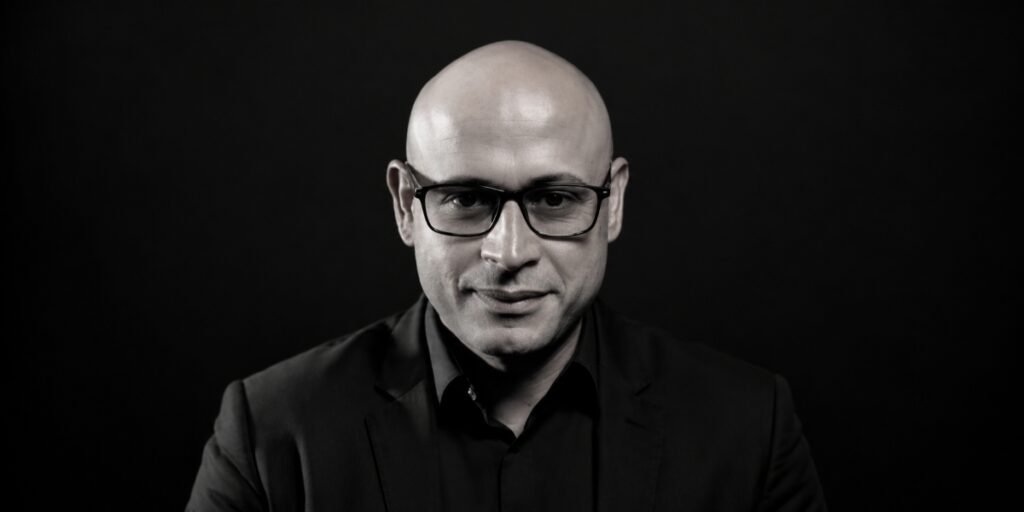



Estate planning is a defined area of legal work, though it often receives less public attention than other fields. It concerns how individuals arrange their affairs before death, primarily through documents such as wills. These documents must follow strict legal rules to be valid. Where no will exists, assets are distributed under fixed legal frameworks, a situation known as intestacy. In many places, including Nigeria, this remains common. Legal professionals have, over time, sought to draw more attention to this gap, often by linking awareness efforts to practical demonstrations of the drafting process.
It is within this context that Michael Nnamdi Ezimoha is associated with a record involving will drafting. The record relates to the preparation of a legally valid will completed within a measured time. The final recorded time was 10 minutes and 47 seconds. The task was not limited to speed. The document had to meet legal standards to be considered valid, which placed clear limits on how the exercise could be carried out.
The record was certified in October 2024 by the World Record Committee. The process did not end with completion. A panel of legal experts reviewed the document after drafting to confirm that it satisfied statutory requirements. This step was necessary. A will that fails to meet formal rules cannot be enforced, regardless of how quickly it is written. The certification reflected both the time recorded and the outcome of the legal review.
Preparation for the attempt focused on structure and familiarity with legal drafting. Wills follow a recognizable format. They must clearly state intent, identify beneficiaries, and comply with execution standards. In ordinary practice, drafting often involves discussion, revision, and time. In this case, the process was compressed. The preparation centered on reducing time without losing clarity or structure.
The execution phase required a balance that is not typical in everyday legal work. Speed introduced pressure, while accuracy remained essential. A misplaced clause or unclear wording could affect the document’s validity. The completed will, however, passed review after the attempt. The recorded time of 10 minutes and 47 seconds reflects a finished document that met legal expectations, not just a timed exercise.
Ezimoha later stated that the purpose of the attempt was not speed alone. He linked the record to the issue of testamentary planning. According to his remarks, many individuals delay or avoid making wills, often assuming they are unnecessary. He pointed to the number of people who die without one, which can lead to disputes, delays, and legal uncertainty for families. These outcomes are widely recognized in estate practice, particularly where no clear instructions exist.
The issue of intestacy remains central to this discussion. When no will is in place, the law determines how assets are shared. This may not reflect personal wishes. The record, in that sense, sits alongside broader efforts to highlight the importance of planning ahead. It does not change the legal process, but it brings attention to it in a different way.
There was also a technical aspect to the attempt. Drafting a will requires precision. Each clause must be clear, and the overall structure must follow legal expectations. Ezimoha noted that the main challenge was maintaining that level of accuracy under time pressure. A will is not just a formal document. It reflects decisions about property and relationships. That adds weight to the drafting process, even in a controlled setting.
The achievement has been described as the first legal-themed world record by a Nigerian. It has also been mentioned alongside other record achievements by Nigerians in different fields, including endurance and skill-based records. While the fields differ, the idea of measurable performance provides a shared reference point. In this case, the measure was time, combined with legal validity.
Media coverage of the record focused on both the result and the context. Reports highlighted the completion time and the review process, but also referred to the wider issue of estate planning. Public discussion has often returned to the same point, that wills are frequently overlooked, even though they play a clear role in asset distribution. The record has been presented as part of that ongoing conversation.
Following the certification, Ezimoha expressed intentions to facilitate initiatives for raising awareness about estate planning. This could involve giving lectures and interviews, conducting workshops, and even producing video content on how to go about writing one’s will in an easier way than most people do. The ultimate goal would be to make the process clearer and more attractive than currently. All of this falls in line with how the legal industry deals with such issues of public ignorance.
It should be noted that this record, made by Michael Nnamdi Ezimoha, who received certification in October 2024 for writing a legally binding will in 10 minutes and 47 seconds, represents an intersection between the worlds of law and public awareness. On the one hand, it calls attention to the process of estate planning as something highly organized yet frequently ignored.
Disclaimer: This article is for informational and editorial purposes only. It is based on information available about Michael Nnamdi Ezimoha’s academic background and does not provide legal advice, professional guidance, or verification of legal qualifications beyond the details referenced in the article.