


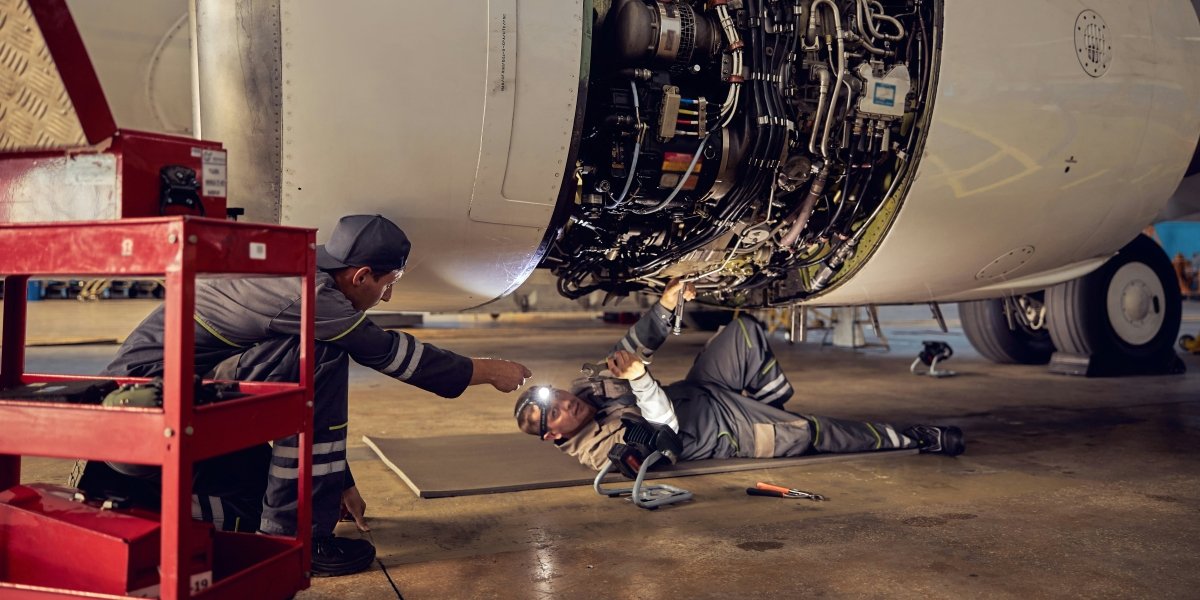
Aerospace programs face unique challenges that can make schedule adherence particularly difficult. With complex systems, high safety standards, and multiple stakeholders involved, delays are often encountered. According to Philip Nevenhoven, one of the effective ways to stay on course is by identifying and managing risks early in the process. This approach helps to avoid costly last-minute changes and also fosters improved communication and decision-making across teams.
Emerging technologies and structured procedures like FMEA have become useful tools for early detection, while a strong organizational culture around risk management can make a significant difference. Teams that regularly prioritize risk awareness and mitigation are more likely to meet their project milestones and maintain quality standards.
Common Causes of Delays in Aerospace Programs
Aerospace projects often face delays due to their inherent technical complexity and the involvement of multiple suppliers, contractors, and regulatory bodies. Even a small disruption in one area can ripple through the schedule, affecting other parts of the program.
Delays can frequently stem from supply chain interruptions, late component deliveries, or unanticipated design changes. In some cases, testing uncovers issues that may require redesign, pushing timelines further out. One program experienced significant delays after late-stage integration revealed software incompatibilities between subsystems developed by different teams. This discovery during the final phases often leads to rework cycles that could have been avoided with better integration planning.
Regulatory certification can also impact progress when compliance standards shift mid-project or when documentation is incomplete. These challenges not only affect project delivery dates but also raise costs and strain resources. Teams may need to divert attention from development tasks to address compliance gaps, potentially creating further delays.
How Risk Impacts Project Schedules
Unidentified risks may quietly undermine a project’s timeline until they surface as major setbacks. When teams don’t anticipate potential problems early on, they’re often forced into reactive decisions that lead to rushed fixes and missed deadlines. In aerospace, where systems are deeply interconnected, one overlooked issue can disrupt months of planning. The cascading effect of a single misjudged assumption can potentially derail multiple workstreams.
Design flaws, resource shortages, and misaligned technical requirements are some of the common contributors to schedule overruns. A program may proceed smoothly through early stages only to stall during testing when a critical component fails to perform under expected conditions. These delays are rarely isolated—they often trigger a series of adjustments that affect multiple teams and timelines. When one subsystem fails, integration efforts must often be revisited, pulling engineers away from forward progress.
Value of Identifying Risks Early
Early risk identification provides teams with the advantage of foresight, allowing them to make informed decisions before problems escalate. It makes it easier to define achievable timelines and allocate resources where they’re needed most.
When risks are identified early, project leaders have time to adjust plans without derailing the entire schedule. A program that flagged a supplier reliability issue during early planning was able to qualify a backup vendor well ahead of production, keeping deliveries on track. It’s not just about avoiding failure—it’s about building flexibility into the process. Taking action at the right moment can prevent more disruptive consequences later on.
Methods for Early Risk Detection
Spotting risks early begins with a solid foundation in cross-functional planning. When engineering, procurement, and operations collaborate from the start, potential issues come to light before they escalate. Structured techniques like Failure Mode and Effects Analysis (FMEA) help teams pinpoint weak spots in design or process before they affect the schedule. FMEA sessions may highlight hidden dependencies that would otherwise go unnoticed until testing or production.
Some programs establish formal checkpoints throughout development to reassess known risks and uncover new ones. This allows teams to stay agile, refining their strategies as the project evolves. A team that routinely reviewed its risk log was able to identify a pattern in supplier delays and adjust its sourcing strategy early in advance. These routine reviews also ensure that no outdated assumptions linger in the system unnoticed.
Technology That Supports Risk Management
Digital tools have become essential in managing risk across aerospace programs. Simulation software and digital twins allow teams to model complex systems and predict how changes might influence performance. By visualizing outcomes early, teams can make adjustments without waiting for physical prototypes to reveal problems. These tools help reduce cost and accelerate decision-making during design iterations.
Project management platforms that integrate risk tracking offer real-time visibility into emerging concerns. When paired with supply chain analytics, these systems can alert managers to disruptions before they affect delivery timelines. A company using predictive analytics was able to anticipate a material shortage and secure alternatives before production was impacted. These technologies create a feedback loop that grows stronger over time as more data becomes available.
Building a Culture That Prioritizes Risk Awareness
Risk management is effective when it’s embedded in the project culture. Teams that feel empowered to speak up about potential issues contribute to a more proactive and responsive environment. A culture of transparency encourages early reporting, which helps resolve concerns before they grow into delays.
Leadership plays a key role in setting the tone. When senior managers actively participate in risk reviews and provide support for mitigation strategies, it signals that risk awareness is a shared responsibility. As a result, teams become more resilient and better prepared to navigate uncertainty.
Disclaimer: The views and opinions expressed in this article are those of the author, Philip Nevenhoven, and do not necessarily reflect the official policy or position of any aerospace company, organization, or regulatory body. The information provided is for general informational purposes only and should not be construed as professional advice. Readers should consult with qualified professionals for advice tailored to their specific needs and circumstances.