

By Tom Sullivan
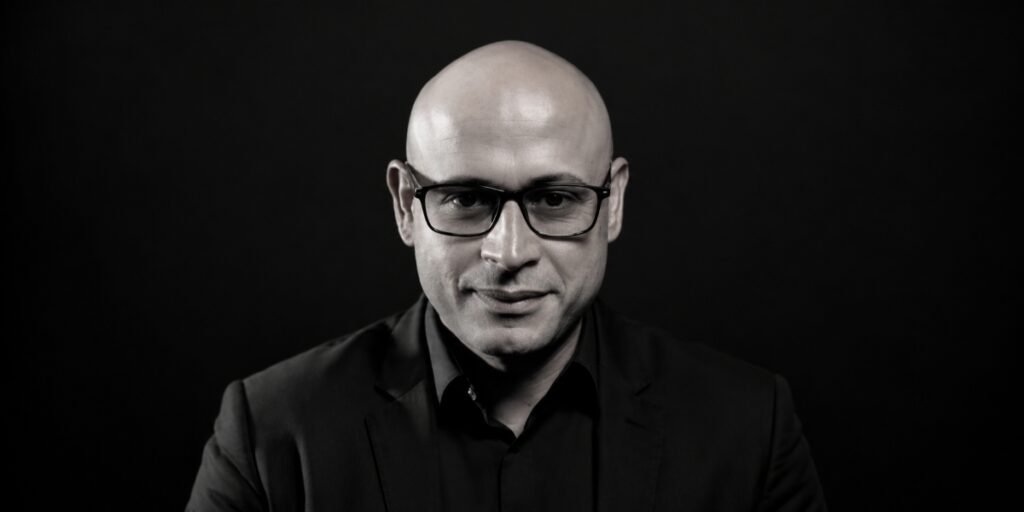
In an era where much contemporary fiction often favors restraint, subtlety, and familiar emotional beats, Tejas Desai is moving in the opposite direction. With the release of Bad Americans: Part II, the novelist delivers a work built on risk, velocity, layered storytelling, and characters whose lives collide in messy, revealing, and often surprising ways.
Desai has never hidden his belief that storytelling should fully engage the reader. Speaking about his literary influences, he reflected on the vivid power of classic works and the immersive quality he sometimes finds missing in more restrained contemporary fiction. His response in Bad Americans: Part II is a novel designed to entertain as much as it provokes thought. As he puts it, “Bad Americans is an extravaganza of storytelling and entertainment as well as the pleasures and punctures of life.”
That philosophy drives the structure of the book. Rather than follow a conventional linear path, Bad Americans: Part II unfolds through a frame narrative containing multiple stories, including “A Model Citizen,” “Cape Conundrum,” “A Manchurian Algerian,” and “Dope Double Ditty.” Each section offers its own style, tensions, and emotional stakes while contributing to a larger portrait of modern American life.
Desai explained that he wanted the stories to feel distinct while still revealing the deeper psychology of the characters telling them. The result is fiction that moves across romance, rivalry, identity, class, misunderstanding, and shifting loyalties without settling into predictability.
Relationships remain central to the novel, particularly the evolving connection between Hayley and Pritesh. Rather than present romance as neat or formulaic, Desai explores how attraction, insecurity, emotional history, and outside pressures can reshape even the most unexpected bonds. He noted that many modern books leave characters static, and he intentionally wanted to challenge that tendency by allowing people to change, fracture, and reveal new dimensions over time.
That refusal to play it safe extends to the book’s wider social lens. Personal accusations, stereotypes, private wounds, and unlikely alliances ripple through the narrative, reflecting a society where people often misjudge one another before truly seeing each other. Yet the novel also leaves room for humor, reinvention, and surprising connections.
For Desai, bold storytelling is about more than scale or complexity. It is about emotional honesty. Looking at the novel as a whole, he said he hopes readers remember that we all need each other, and while it’s so easy to hurt each other and despair of life in this turbulent and unfair world, at the end of the day, it’s our human connections that also hold us together and make life worth living.
With Bad Americans: Part II, Tejas Desai offers a clear statement: fiction can still be daring, expansive, and unapologetically alive.
Bad Americans: Part II is available now on Amazon and other major book retailers. Readers can also learn more about Tejas Desai and follow his latest updates on Instagram.