

By: Natalie Johnson
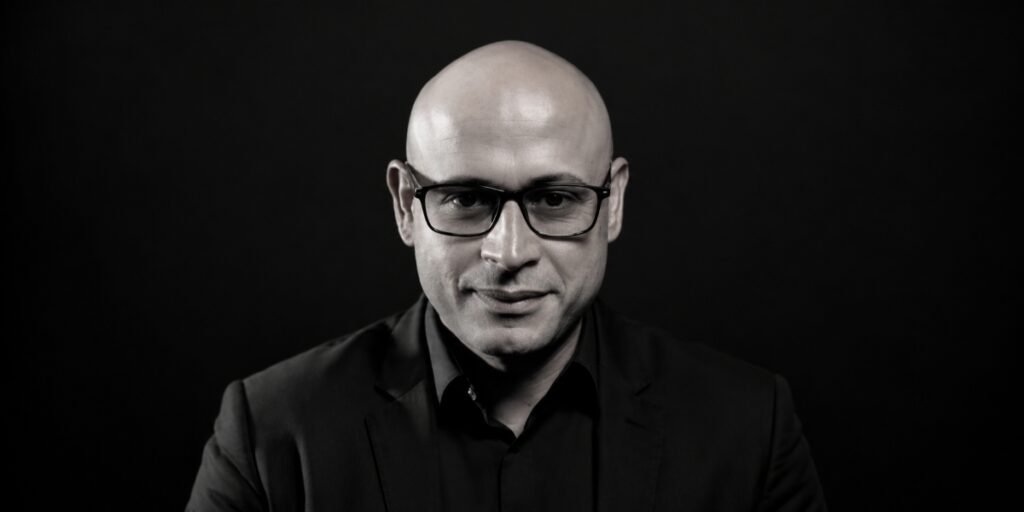
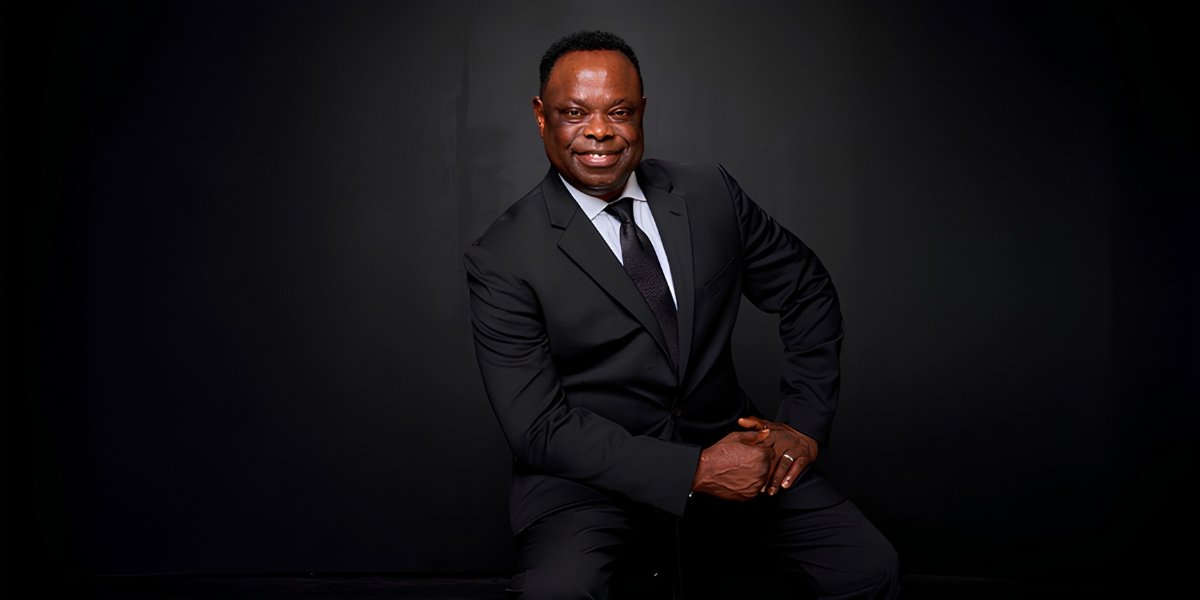
“Ethics is the most underrated driver of project success,” says Akin Oni, a seasoned strategy and project executive and avowed leadership expert. With a career spanning Oil, Natural Gas, LNG, Mining, and Infrastructure projects across multiple continents, Oni has witnessed firsthand how ethical decision-making, or the absence of it, can determine the fate of billion-dollar ventures. He brings clarity, structure, discipline, and momentum to large-scale projects – driving results from acquisition through concept to commissioning and transition to operations.
For Oni, the true foundation of successful project delivery lies not just in planning or execution, but in something far less tangible and far more critical: ethics. “Projects don’t just fail because of poor planning,” he explains. “They often fail – quietly – because of a single compromised principle.” Ethics – yes, ethics – is the most underrated driver of project success.
Ethics as the Strategic Core of Execution
Oni emphasizes that ethics is no longer optional – it is strategic and existential to long-term project viability. “It directly shapes performance, perception, and profitability,” he says. In his view, ethical decision-making is not about perfection but about “consistency of principle, doing what’s right, especially when you can get away with the wrong choice.”
For leaders managing capital-intensive initiatives, the stakes are high. A single misstep can derail regulatory compliance, damage public trust, or result in irrecoverable financial losses. “Ethics allows us to avoid regulatory penalties, build trust capital, attract ESG-aligned investment, and preserve our license to operate,” Oni explains. “That’s why I say it’s actually risk management, stakeholder management, and leadership credibility rolled into one.” “Unethical behavior is the root cause of many hidden cost drivers on megaprojects today”, he adds.
The Four Pillars of Ethical Leadership
Central to Oni’s leadership philosophy are four attributes he believes underpin ethical project management: transparency, accountability, fairness, and respect. These principles are not abstract ideals but operational necessities in high-complexity environments.
“As a leader, even when it’s tough to make the right decision, you have to ask: are we doing the right things?” he says, stressing that ethical leadership begins with fostering a culture where ethical behavior is both expected and visible. “You must create an environment where people feel safe to speak up, to tell the truth even when it’s difficult.”
He recounts a formative experience in Europe where he was asked to reduce a project’s capital expenditure by 10 percent without altering the scope. “I told them, if we’re reducing the budget, we have to reassess the scope. Otherwise, we’ll fail to deliver.” The organization initially declined his approach, hired someone else, and two years later, brought Oni back after the project faltered. “They had spent more than originally proposed, and the project still wasn’t on track,” he notes. “Ethics also means being realistic and honest about what you’re saying yes to.”
Emotion vs. Objectivity: The Hidden Risk Factor
Oni cautions against becoming emotionally entangled with a project’s approval or success. “Don’t get too emotional about any project you’re planning,” he warns. “Emotion clouds judgment. When you’re overly attached, you may ignore red flags or manipulate data to force an outcome.”
He encourages project leaders to take a step back and assess projects objectively. “Do we understand the scope? What are the risks? Is the schedule robust? Are the cost estimates based on science or gut feelings?” These are not just technical checks. They are ethical imperatives. Misrepresenting a project’s viability is not merely a mistake; it is a breach of trust.
This clarity of vision has guided Oni through complex assignments, including leading underground mining project teams in Canada despite his background in mechanical engineering rather than mining. “It’s not always about being the technical expert,” he says. “It’s about leading with integrity, assembling the right team, and enabling them to succeed.”
Ethics as a Legacy
Oni’s view of project success extends beyond ribbon cuttings and deliverables. For him, legacy matters. “When the concrete has dried, the pipe is buried, and the ribbon is cut, all that remains is your name, your choices, and your legacy.”
He believes ethical decision-making doesn’t slow down success. It sustains it. “It doesn’t limit innovation; it legitimizes it. And it doesn’t weaken outcomes; it defines them.” His message to fellow leaders is clear. Revisit your decision-making culture, reward courage and truth-telling, and challenge unethical norms. “Let our legacy be one of courage, one of truth, and one of ethical excellence.”
To learn more about Akin Oni, connect with him on LinkedIn or visit his website.