

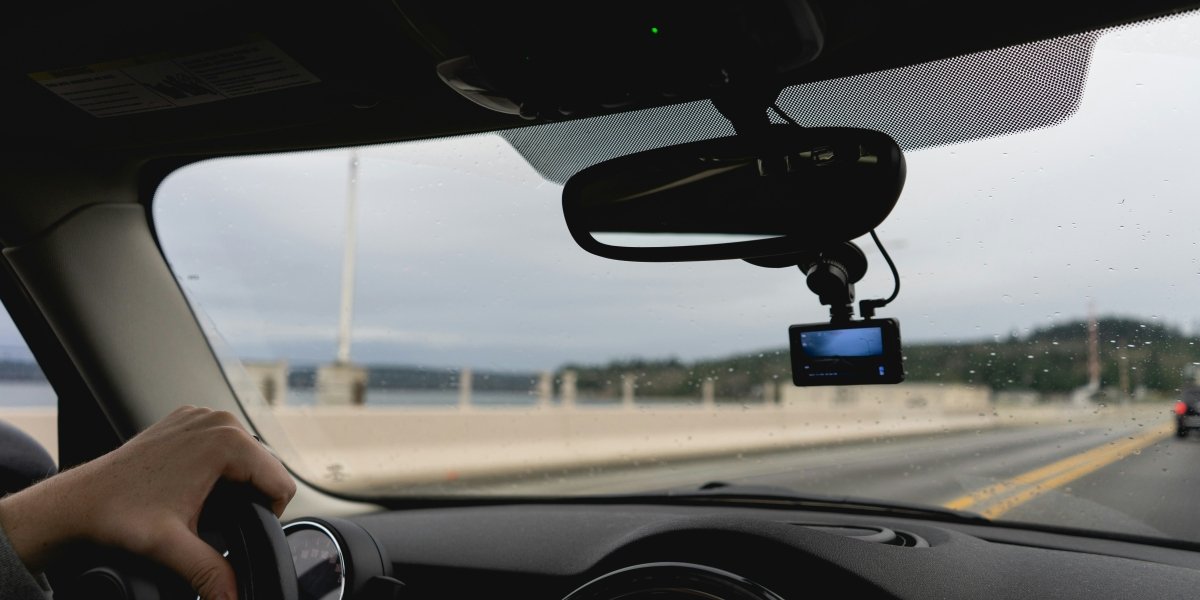
Once limited to commercial fleets and dedicated hobbyists, the dashcam has moved into the mainstream. Drivers across the country are now mounting small cameras on their windshields, treating recorded footage as routine documentation rather than a specialty feature. The shift reflects a broader change in how everyday drivers think about evidence, fault, and accountability behind the wheel.
Why Dashcam Adoption Keeps Climbing
Several factors explain the steady rise in adoption. Hardware prices have dropped considerably, and reliable units are now available at price points that fit most consumer budgets. Storage capacity has expanded, letting drivers record hours of high-resolution video on inexpensive memory cards. Modern devices often include GPS tagging, parking surveillance, and dual-channel recording that captures both the road and the interior of the vehicle.
Safety concerns are part of the story too. Viral crash videos circulate widely on social media, and drivers who have seen them tend to view personal recording as a sensible precaution. Insurance incentives matter as well. Several major carriers offer discounts to policyholders who install a dashcam, and many drivers report faster claim processing when video accompanies a filing.
Footage as Evidence in Insurance Disputes
Disagreements between drivers after a collision used to come down to memory, sketches on a claim form, and physical evidence at the scene. Video changes that equation. A clear recording can establish lane position, signal use, approximate speed, and the exact sequence of events. Insurance adjusters who once worked from circumstantial details now have a direct view of what happened.
That clarity helps resolve common disputes. A driver wrongly accused of running a red light can show the light was yellow at the moment of entry. A rear-end claim can be confirmed or rebutted based on what the recording reveals about following distance and braking. Hit-and-run incidents, which once left victims with limited options, often include identifying details such as license plate numbers, vehicle color, and direction of travel.
For Illinois drivers pursuing a personal injury claim after a serious collision, that kind of recorded detail can be the difference between a contested case and a straightforward one. Many insurance carriers now accept dashcam files as part of a standard submission, and the process tends to move faster when objective footage is part of the record.
Traffic Stops and Contested Citations
Routine traffic enforcement is another area where dashcam footage has changed how matters are handled. A driver who receives a citation for an alleged moving violation may have video showing actual speed, lane position, or signal use at the moment of the stop. Footage can fill in gaps that an officer’s notes do not cover, and it gives drivers an independent record of the encounter.
The same dynamic applies to anyone fighting a traffic ticket in Illinois. The difference between a contested and uncontested case often comes down to what evidence exists outside of the officer’s report, and a clear recording from inside the vehicle gives an attorney something specific to work with.
In DUI cases, the moments leading up to a stop can carry significant weight. Video can document driving behavior, road conditions, and the circumstances that prompted enforcement. Recordings are not a guaranteed defense, and outcomes depend heavily on the facts of each situation, but they add a layer of objective information to a record that has traditionally relied on officer observation alone.
Consumer Tech in Serious Matters
Dashcam evidence has also started to appear in cases involving major injuries, reckless driving allegations, and complex multi-vehicle collisions. Video can capture details that police reports and witness recollections often miss. Footage from the seconds before an impact can show distracted driving, unexpected maneuvers from other vehicles, or contributing road conditions such as poor signage or surface defects.
Victims pursuing claims after a crash can use recordings to demonstrate the severity of an impact or the conduct of an at-fault driver in the lead-up to a collision. That kind of evidence supports a level of factual detail that was rarely available a decade ago.
Derek Martin, founder of Driver Defense Team, has observed that the spread of in-vehicle cameras is part of a broader trend. Smartphones, doorbell cameras, security systems on parked vehicles, and connected car data have all expanded the pool of available evidence in driving-related disputes. A windshield-mounted dashcam fits into that ecosystem as a focused source of information about what actually happened on the road.
Preserving Footage the Right Way
Owning a recording device is one thing. Using it effectively after an incident is another. Most units operate on a loop, overwriting older recordings once the memory card fills. Drivers who experience a crash, traffic stop, or other significant event should remove or back up the relevant file as soon as it is safe to do so.
Quality matters as well. A camera mounted poorly, a unit with low resolution, or footage marred by glare can limit the usefulness of a recording. Drivers who treat their dashcam as a real piece of evidence-gathering equipment, rather than a passive gadget, get more out of it when something goes wrong.
Time-stamps and audio also play a role. A recording with accurate date and time information is harder to challenge in a dispute, and audio can capture statements made during a stop or immediately after a collision. Drivers should check periodically that their dashcam settings reflect the correct time zone and that the device is recording audio when local rules allow.
Recordings have changed what is possible in establishing accountability behind the wheel. The legal weight of any individual video still depends on the facts of the case, the way it was captured, and the rules of the jurisdiction where it is used. Drivers facing a crash, citation, or charge involving a vehicle generally benefit from speaking with a qualified attorney who can evaluate how the footage fits into their situation.