


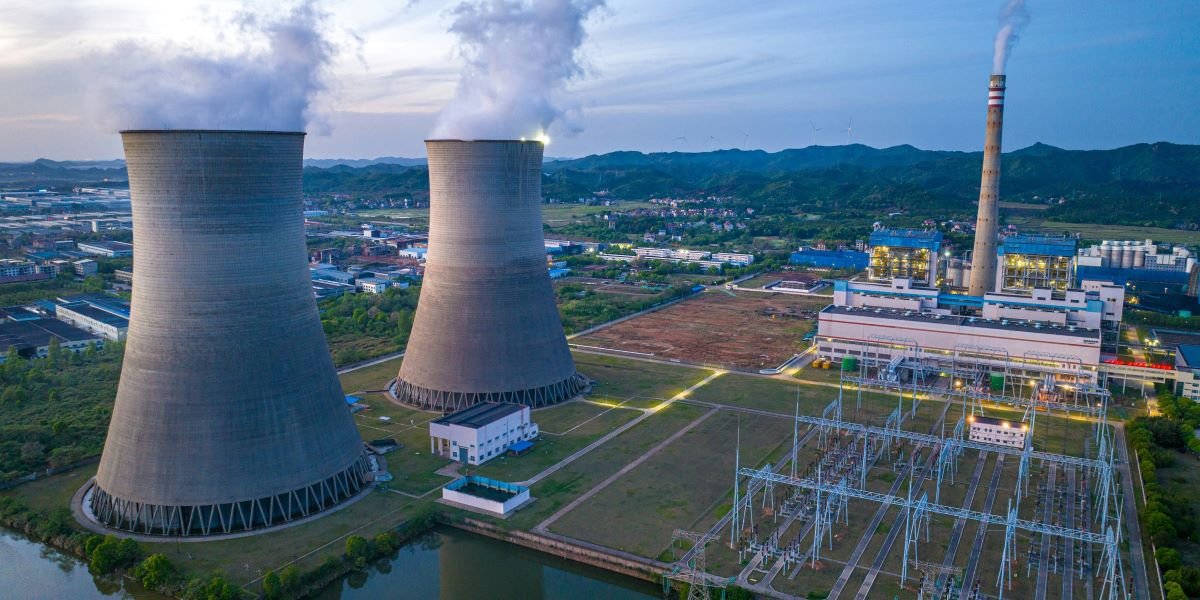
The Environmental Protection Agency formally rescinded carbon pollution standards for fossil fuel-fired power plants on Monday, September 14, 2026, eliminating mandates that required existing coal-fired plants and new gas-fired plants to deploy carbon capture or equivalent emission-reduction technologies. The rollback, announced on the sidelines of the G20 energy ministers’ meeting in Houston, removes regulations that the EPA’s own 2024 analysis estimated would have delivered $370 billion in net climate and health benefits over their lifetime. The agency simultaneously proposed a separate rule revoking the federal finding that greenhouse gas emissions from power plants specifically pose a public health threat under the Clean Air Act, a step that would dismantle the legal foundation for future emission regulations targeting the power sector.
Key Takeaways
- The EPA formally rescinded Biden-era carbon pollution standards for coal and gas power plants on September 14, 2026, at the G20 energy ministers’ meeting in Houston
- The repealed rules, finalized in April 2024, required existing coal plants and new gas-fired plants to deploy carbon capture or equivalent technologies to reduce carbon dioxide emissions
- The agency proposed a separate rule revoking the power-sector-specific endangerment finding under the Clean Air Act, which would remove the legal basis for future emission standards targeting power plants
- Power plants are the largest industrial source of greenhouse gas emissions in the United States, emitting more than 1.5 billion tons of carbon dioxide annually
- The EPA’s own 2024 analysis estimated the repealed standards would deliver net benefits of $370 billion, approximately 20 times the estimated compliance costs to industry
- Environmental organizations including the Natural Resources Defense Council announced immediate plans to challenge the repeal in federal court
The Repealed Standards Required Carbon Capture Technology at Coal and Gas Plants
The regulations rescinded on Monday were finalized by the EPA in April 2024. They represented the first federal rules to require carbon pollution reductions from both existing coal-fired power plants and new natural gas-fired plants. The standards mandated that covered facilities deploy carbon capture and storage technology or achieve equivalent emission reductions through other means, a requirement designed to reduce carbon dioxide output at the plant level rather than through system-wide energy generation shifts.
The 2024 rules were crafted specifically to survive legal scrutiny following the Supreme Court’s 2022 decision in West Virginia v. EPA, which struck down the Obama-era Clean Power Plan. That ruling held that the EPA could not use the Clean Air Act to mandate a broad shift in the nation’s energy generation mix. The Biden-era standards responded by focusing exclusively on emission controls that could be implemented at individual plants, a narrower approach that stayed within the boundaries the Court established. The repeal removes those standards entirely, leaving no federal carbon pollution limits in place for the power sector.
The scope of the affected infrastructure is substantial. Power plants are the largest industrial source of greenhouse gas emissions in the United States. According to a New York University School of Law’s Institute for Policy Integrity analysis of 2022 emissions data, if the U.S. power sector were treated as a standalone country, it would rank as the world’s sixth-largest emitter of greenhouse gases. The sector emits more than 1.5 billion tons of carbon dioxide annually, a figure that has risen in 2026 as coal generation increased during periods of elevated electricity demand.
EPA Administrator Frames the Rollback as an Energy Affordability Measure
EPA Administrator Lee Zeldin presented the repeal as a corrective action designed to lower energy costs and remove regulatory barriers to domestic energy production. At a press conference on Monday, Zeldin stated that the emissions rules enacted under prior administrations led to higher energy prices and prevented the country from reaching its “full energy potential.” He characterized the rollback as the end of efforts to “destroy natural gas and coal.”
The affordability argument carries weight in the current economic environment. U.S. gasoline prices have risen sharply in 2026, with the national average for diesel fuel reaching a record $6.23 per gallon according to AAA. Energy costs have been a persistent driver of headline inflation, with the August CPI report showing gasoline prices up 27.4% year-over-year and the broader energy index contributing more than one-third of the monthly increase. For consumers and businesses already absorbing elevated energy costs, the EPA’s framing positions the repeal as a measure that prevents additional upward pressure on electricity prices.
The timing of the announcement, delivered at the G20 energy ministers’ meeting in Houston, placed the regulatory action on an international stage. The meeting brought energy officials from the world’s largest economies together in the same city where much of the U.S. oil and gas industry is headquartered. The rollback follows earlier 2026 actions by the EPA to rescind vehicle climate standards and challenge the 2009 endangerment finding, the foundational ruling that greenhouse gases threaten public health. Taken together, these actions represent a systematic dismantling of the federal regulatory framework for greenhouse gas emissions across the transportation and power sectors.
The Proposed Endangerment Finding Repeal Would Remove the Legal Basis for Future Rules
Beyond repealing the existing standards, the EPA proposed a separate rule that would revoke the power-sector-specific endangerment finding under the Clean Air Act. This finding, which established that greenhouse gas emissions from power plants pose a threat to public health, serves as the legal prerequisite for any emission regulations targeting the sector. Without it, future administrations would need to reestablish the scientific and legal basis for regulating power plant carbon emissions before imposing new standards, a process that could take years.
The distinction between repealing standards and revoking the underlying finding is significant. Repealing standards removes the current rules. Revoking the endangerment finding removes the legal foundation that authorizes any such rules, making it substantially harder for a future EPA to reimpose emission limits even if the political and scientific will exists. The proposed rule is subject to a public comment period before finalization, but its inclusion alongside the standards repeal signals an intent to foreclose the regulatory pathway itself, not just the regulations currently on it.
The broader regulatory picture for the U.S. power grid has been shaped by multiple federal actions in 2026. An executive order issued in August declared a national emergency over foreign-produced equipment in the U.S. bulk-power system, giving the Department of Energy authority to restrict grid components from 24 countries. That action focused on grid security and supply chain resilience. The EPA’s Monday action focuses on the environmental regulatory framework governing what those power plants emit. Together, the two actions illustrate how federal energy policy is being reshaped across multiple agencies simultaneously, with reliability and production capacity taking priority over emission reduction targets.
Environmental Groups Plan Legal Challenges Based on the EPA’s Own Cost-Benefit Analysis
The Natural Resources Defense Council announced plans to take the repeal to federal court immediately following the Monday announcement. NRDC and allied organizations plan to argue that the EPA’s legal reasoning for the rollback is “fatally flawed,” pointing to the agency’s own prior analysis as evidence.
The EPA’s 2024 regulatory impact analysis for the standards it is now repealing estimated that the rules would deliver $370 billion in net climate and health benefits over their lifetime, a figure that the NRDC noted was approximately 20 times the estimated compliance costs to industry. That ratio, benefits exceeding costs by a factor of 20, is unusually large for a federal regulation and forms a central pillar of the legal challenge. Environmental attorneys are expected to argue that the EPA cannot rationally rescind a regulation whose own documented benefits so substantially outweigh its costs without providing a legally sufficient justification for disregarding that analysis.
The legal battle will play out against a backdrop that includes the Supreme Court’s 2022 West Virginia v. EPA precedent, which constrained the EPA’s authority but did not eliminate it. The Biden-era standards were specifically designed to operate within those constraints by targeting plant-level controls rather than system-wide generation shifts. Whether the current EPA’s repeal and its proposed endangerment finding revocation survive judicial review will depend on how courts assess the agency’s reasoning for reversing its own prior scientific and economic conclusions.
The Repeal Arrives as Coal Generation and Power Sector Emissions Rise in 2026
The regulatory rollback comes during a year in which U.S. power sector emissions have moved in the opposite direction from the trajectory the repealed standards were designed to enforce. Coal generation has increased in 2026, driven in part by elevated natural gas prices that made coal more cost-competitive and by periods of high electricity demand during summer heat events. Carbon Herald reported that coal generation and hot weather pushed U.S. power emissions up 4% in recent months, a reversal of the multi-year decline that had characterized the sector’s emission trajectory.
That reversal adds context to both sides of the debate. For the EPA, rising coal generation in the absence of regulatory mandates suggests that market conditions, not regulations, are the primary driver of generation decisions, and that rules requiring carbon capture impose costs without fundamentally altering the energy mix. For environmental groups, rising emissions underscore the argument that voluntary and market-driven approaches are insufficient to reduce power sector carbon output and that regulatory standards are necessary to maintain a downward trajectory.
For the electricity industry itself, the repeal removes a significant source of regulatory uncertainty that had hung over capital planning decisions for coal and gas plant operators since the Biden-era standards were finalized. Plant operators had been weighing whether to invest in carbon capture technology, accelerate retirements, or wait for legal and political outcomes. The repeal resolves that uncertainty in favor of continued operation without carbon capture requirements, at least until the courts weigh in.
FAQs
What Did the EPA Repeal on September 14?
The EPA formally rescinded Biden-era carbon pollution standards that required existing coal-fired power plants and new gas-fired power plants to deploy carbon capture or equivalent emission-reduction technologies. The agency also proposed a separate rule revoking the federal finding that greenhouse gas emissions from power plants pose a public health threat under the Clean Air Act.
When Were the Repealed Standards Originally Finalized?
The repealed standards were finalized by the EPA in April 2024. They represented the first federal regulations to require carbon pollution reductions from both existing coal plants and new natural gas plants, and were designed to comply with the Supreme Court’s 2022 West Virginia v. EPA ruling by focusing on plant-level emission controls.
What Is the Power-Sector Endangerment Finding?
The endangerment finding is a legal determination under the Clean Air Act that greenhouse gas emissions from power plants pose a threat to public health. It serves as the prerequisite for any federal emission regulations targeting the power sector. The EPA’s proposal to revoke this finding would remove the legal basis for future carbon pollution standards, not just the current rules.
How Much Do U.S. Power Plants Emit?
Power plants are the largest industrial source of greenhouse gas emissions in the United States, emitting more than 1.5 billion tons of carbon dioxide annually. According to an NYU School of Law analysis, the U.S. power sector alone would rank as the world’s sixth-largest emitter if treated as a standalone country.
Will Environmental Groups Challenge the Repeal?
The Natural Resources Defense Council and allied organizations announced immediate plans to challenge the repeal in federal court. The legal challenge is expected to center on the EPA’s own 2024 analysis, which estimated the repealed standards would deliver $370 billion in net climate and health benefits, approximately 20 times the estimated compliance costs to industry.