


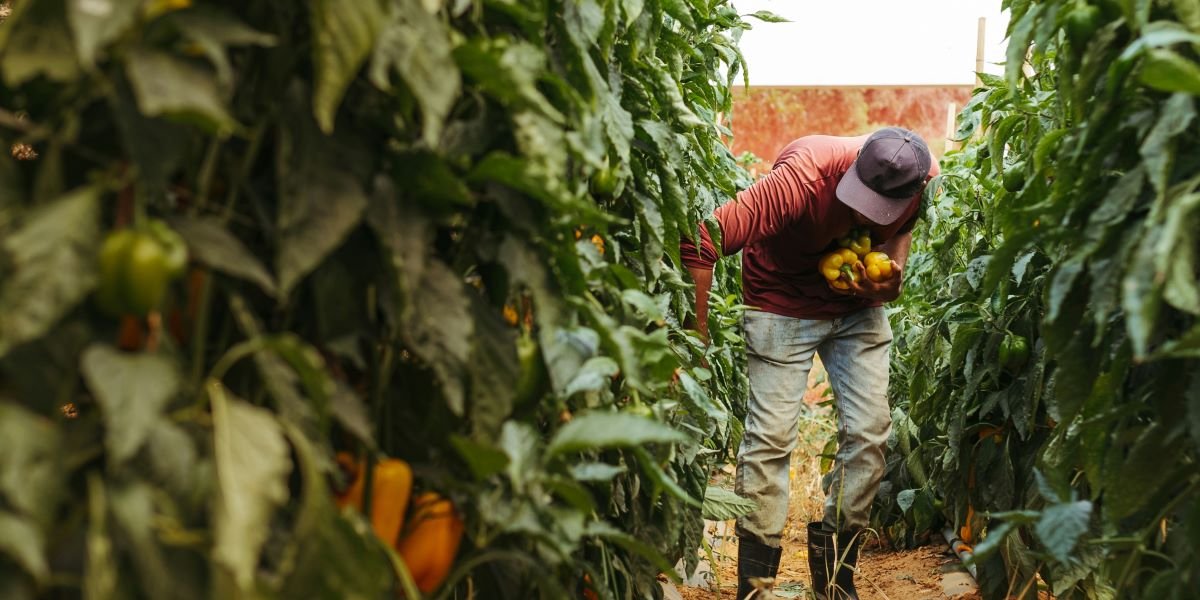
Diesel fuel prices in the United States have surpassed their all-time high, reaching a national average of more than $6.51 per gallon according to AAA, as American farmers enter the fall harvest season with no viable alternative to the fuel that powers their combines, tractors, and transport trucks. The previous record of approximately $5.85 per gallon, set during the global energy disruption following Russia’s invasion of Ukraine in 2022, was broken in early September 2026. For John Boyd Jr., a fourth-generation Virginia farmer and president of the National Black Farmers Association, the math is straightforward and unforgiving: his Saturday fill-up cost roughly $1,000, diesel is running nearly $7 per gallon at his local supplier, and corn is selling for about $5 per bushel.
Key Takeaways
- The national average diesel price has climbed to more than $6.51 per gallon, according to AAA, breaking the previous record of approximately $5.85 set in 2022 and representing a 68% increase from $3.74 a year ago.
- The American Farm Bureau Federation estimates total U.S. farm fuel expenses, including diesel, will reach a record $22 billion in 2026, up 29% from 2025.
- Fertilizer costs are also at a record $40 billion for 2026, up 15% from the prior year, compounding the fuel squeeze and leaving no major row crop projected to clear breakeven for the 2026/27 marketing year.
- A July report from Democrats on the Joint Economic Committee found that farmers spent $1.4 billion more on diesel during the 2026 planting season than a year earlier, a 63% jump recorded before the latest price surge.
- The record prices are driven primarily by global fuel supply disruptions tied to the conflict with Iran, which disrupted roughly 20% of the world’s oil supply when the Strait of Hormuz was closed in late February 2026.
$7 Per Gallon at the Pump and No Way Around It
John Boyd Jr. grows soybeans, corn, and wheat and raises beef cattle on his farm in southwest Virginia. During harvest season, his combines and heavy equipment run constantly. Boyd does not have on-farm diesel storage, so he fills a truck with a couple hundred gallons at a time, drives it back, and transfers the fuel into his combine. At roughly $7 per gallon at his local supplier — above the national average due to regional pricing variation — each fill-up has become a financial event rather than a routine operating cost.
“This is a national farm crisis for farmers,” Boyd told NPR’s Morning Edition on September 21. “I’m having to come up with money that’s really not in the budget.” Boyd described the situation using a phrase his father used: “robbing Peter to pay Paul,” shifting money from other farm expenses to cover fuel costs that have nearly doubled in 12 months. The margin on corn at roughly $5 per bushel does not leave room for a fuel bill that has effectively doubled since last harvest.
Boyd is not an outlier. In northeast Missouri, corn, soybean, and cattle farmer Addie Yoder told Reuters that a single combine requires 300 gallons of diesel, and with two combines, three semi-trucks, and several tractors running from mid-September through late October, the fuel bill is unavoidable. In southeast South Dakota, soybean, corn, and cattle farmer Drew Peterson estimated he would spend as much as $1,500 per day to fuel just one of his combines this season — double last year’s daily cost. “You can’t just say, well, diesel is expensive, I’m not going to harvest,” Peterson said.
Farm Bureau Data Shows No Major Crop Projected to Break Even
The American Farm Bureau Federation released a report on September 15 that puts the fuel crisis into national context. Total U.S. farm fuel expenses, including diesel, are projected to reach a record $22 billion in 2026, up 29% from the previous year. Fertilizer expenses are estimated at $40 billion, also a record, up 15% year over year. The two cost categories together represent the fastest-growing input lines on farm balance sheets, and neither is discretionary during planting or harvest.
The AFBF report delivered a conclusion that captures the structural bind facing American agriculture: despite recent price optimism for commodity crops, no major row crop is projected to clear breakeven for the 2026/27 marketing year. The USDA’s latest estimates put the national average revenue per harvested acre for corn at $857, up more than $50 from May projections, and soybeans at $634 per acre, up $30. Those numbers would normally signal a decent year. But when fuel, fertilizer, labor, and equipment costs are deducted, the math does not close.
The squeeze is compounded by financing conditions that have tightened over the past year. The Federal Reserve on September 16 raised the federal funds rate to 3.75%–4.00%, adding to a broader cost environment in which tariffs, elevated interest rates, and supply chain disruptions are compressing margins across industries that depend on physical inputs and cross-border trade. For agricultural borrowers who finance equipment purchases, operating lines of credit, and land payments, higher rates translate directly into higher carrying costs layered on top of record fuel and fertilizer bills.
The Supply Side Disruption Behind the Record
The diesel price spike is not a domestic production problem. The United States produces more crude oil than any other country. The issue is global supply disruption centered on the conflict with Iran, which began disrupting roughly 20% of the world’s oil supply when the Strait of Hormuz was closed in late February 2026. Brent crude prices initially surged to approximately $118 per barrel in late March before declining to around $70 by early July, then rebounded above $100 by late July and have fluctuated between $87 and $109 since.
As of the week of September 21, WTI crude oil sits near $92 per barrel, down from its war-era peak but still elevated enough to keep diesel refining margins high. Diesel is more expensive than gasoline because it requires a more intensive refining process and because global demand for diesel, which powers freight trucks, ships, trains, farm equipment, and construction machinery, puts different supply pressure on the product than the gasoline market faces. The national average gasoline price of $4.48 per gallon, while historically high, has actually declined from a peak of $4.56. Diesel has moved in the opposite direction, breaking through its 2022 record and continuing to climb.
Ukrainian attacks on Russian refineries have added a second vector of supply disruption, removing refining capacity from the global diesel market at the same time that the Strait of Hormuz disruption constrained crude supply. The combination has pushed diesel into a structural deficit that has persisted for months, with no near-term resolution visible in the supply picture.
From the Farm Gate to the Grocery Shelf
The diesel crisis does not end at the farm gate. Every step of the American food supply chain runs on diesel: the trucks that carry grain from the field to the elevator, the trains that move it to processing plants, the refrigerated trailers that deliver packaged goods to distribution centers, and the delivery trucks that stock grocery store shelves. When diesel doubles, every link in that chain absorbs higher costs — and at some point, those costs reach the consumer.
Patrick De Haan, head of petroleum analysis at GasBuddy, framed the dynamic in broad economic terms. “With Americans, what they buy at the grocery store, diesel, whether it’s trucks, trains, or tractors, the U.S. economy is powered by diesel,” De Haan said. “And so, this is going to likely reignite inflation in the months ahead.” That warning carries weight given the current inflation picture: headline CPI held at 3.4% year-over-year in August, with food prices already elevated from earlier supply chain disruptions. A sustained diesel premium adds a new inflationary input at the point in the supply chain where costs are hardest to avoid.
The timing is also notable from a consumer spending perspective. August retail sales came in at $773.9 billion, up 1.2% month-over-month and 6.0% year-over-year, demonstrating that American households are still spending. But spending resilience and price sensitivity are not the same thing. If diesel costs push grocery prices higher through the fall and into the holiday season, the gap between what consumers are willing to spend and what they are being asked to pay for staple goods will narrow. That dynamic plays directly into the midterm election cycle, where cost of living is expected to be a primary voter concern heading into November.
A Sulfur Crisis May Be Next
AgWeb reported on September 14 that sulfur prices have surged more than fivefold, threatening phosphate fertilizer production. Phosphate fertilizers, which are essential for crop yields, require sulfur in their manufacturing process. If global sulfur supply continues to tighten alongside the diesel shortage, farmers could face not only higher fertilizer prices but potential fertilizer shortages heading into the 2027 planting season. The AFBF’s September 15 report flagged the fuel-fertilizer-financing “triple threat” as the defining financial challenge for American agriculture, noting that the convergence of all three cost pressures in a single year is historically unusual.
For Boyd, the math is personal. He described the situation as a crisis not because of a single bad quarter, but because the cost structure has shifted faster than commodity prices can compensate. “I’m a farmer — I can’t pass these costs on to somebody,” Boyd said. “Corn prices, soybean prices, they are what the market dictates.” The market dictates $5 for a bushel of corn. The market also dictates $7 for a gallon of diesel. The distance between those two numbers is where American agriculture is trying to survive this fall.
FAQs
How High Are U.S. Diesel Prices Right Now?
The national average diesel price has climbed to more than $6.51 per gallon, according to AAA, surpassing the previous record of approximately $5.85 set in June 2022. The price represents a 68% increase from $3.74 per gallon a year ago. Regional prices vary, with some farmers in Virginia and the Midwest reporting costs approaching $7 per gallon at their local suppliers.
Why Are Diesel Prices at Record Highs?
The primary driver is global fuel supply disruption caused by the conflict with Iran, which disrupted roughly 20% of the world’s oil supply when the Strait of Hormuz was closed in late February 2026. Ukrainian attacks on Russian refineries have removed additional refining capacity from the global diesel market, creating a structural deficit that has persisted for months.
How Are Record Diesel Prices Affecting U.S. Farmers?
The American Farm Bureau Federation projects total U.S. farm fuel expenses will reach a record $22 billion in 2026, up 29% from 2025. Combined with record fertilizer costs of $40 billion, no major row crop is projected to clear breakeven for the 2026/27 marketing year. Farmers cannot avoid diesel during harvest because combines, tractors, and transport trucks require it to operate.
Will Record Diesel Prices Raise Grocery Prices?
Higher diesel costs affect every step of the food supply chain, from harvesting and grain transport to refrigerated delivery and grocery stocking. Analysts expect the elevated fuel costs to add inflationary pressure to food prices in the months ahead, arriving at a time when headline CPI already sits at 3.4% year-over-year and consumer cost of living is a primary concern heading into the November midterm elections.