


Media coverage of small consumer food companies often follows a familiar pattern. Early-stage firms tend to appear first in local business lists, then in niche trade publications, and later in broader consumer media if interest continues. The process is uneven. Some companies remain confined to regional recognition, while others gain repeated mentions across different types of outlets without ever becoming mainstream household names. In the case of algae-based nutrition companies in the United States, this pattern has been particularly visible since the early 2010s, when spirulina and chlorella products began to appear more frequently in wellness reporting.
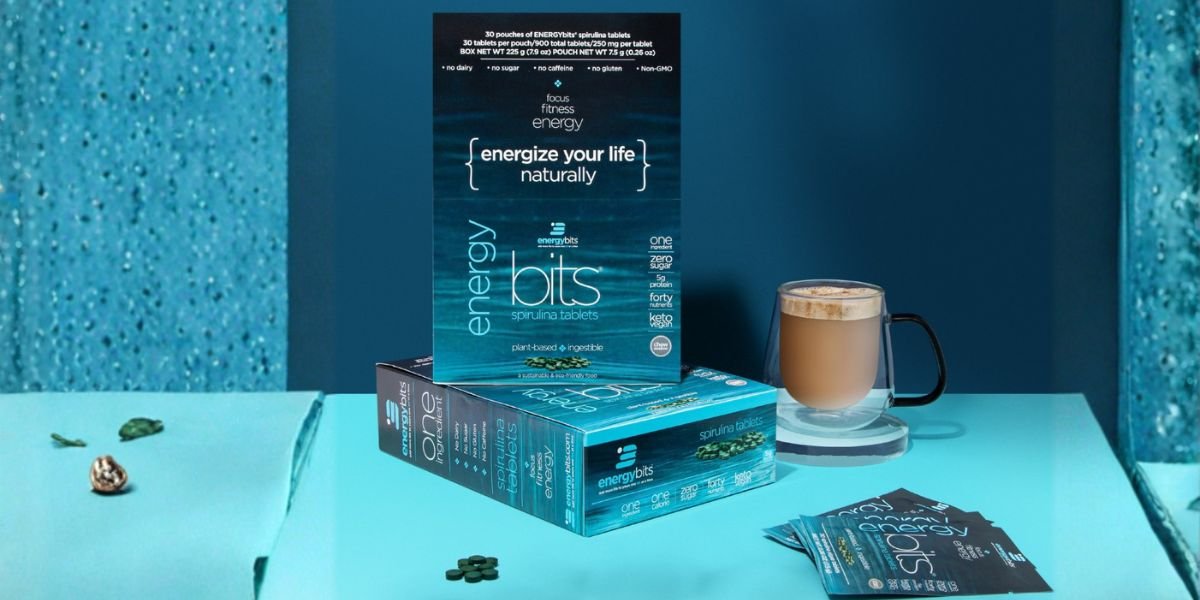
ENERGYbits Inc., founded in Boston in 2010 by Catharine Arnston, developed within that environment. Its public profile has been shaped less by large-scale retail expansion and more by intermittent media attention, industry lists, and consumer-facing editorial coverage. The company focuses on spirulina and chlorella tablets and has positioned its products as whole-food microalgae nutrition.
A notable early point of recognition came in 2014, when ENERGYbits was included in BostInno’s “Fifty on Fire” list in the sports and fitness category. The list highlights emerging companies and individuals in the Boston innovation ecosystem. The inclusion placed ENERGYbits among startups receiving regional attention at the time, though the list itself is not an industry award with scientific or regulatory evaluation criteria. It functions more as a visibility snapshot of companies gaining traction in local business circles.
In January 2015, the company came in as the runner-up in Entrepreneur Magazine’s Project Grow Challenge. The contest spotlighted early-stage businesses and new ventures, not their product testing. This kind of acknowledgment is typical in startup scenes; it shows business activity, but it doesn’t assess clinical or scientific product claims. For ENERGYbits, being recognized boosted its exposure in media targeting entrepreneurs, especially since wellness startups were popping up a lot in digital markets at that time.
ENERGYbits wasn’t just listed in biz directories. They showed up in consumer and trade magazines too, where they tied nutrition products to lifestyle and market trends. FoodNavigator-USA wrote about algae-based foods in bigger industry reports, connecting spirulina and chlorella to talks about plant proteins and eco-friendly eats. These write-ups usually cover what’s happening in the category rather than any one company, though ENERGYbits got a mention now and then in discussions on algae-focused items.
Consumer-facing media outlets did things differently. The Daily Meal looked back at ENERGYbits, talking about its time on “Shark Tank” and ongoing direct-to-consumer sales. They put the company in a bigger bunch of wellness brands that got noticed from appearing on such shows. Over at The Takeout, they also mentioned ENERGYbits in a piece about “Shark Tank” alums who kept running their businesses without the cash infusion from the investors. The main focus here was on how the business grew and got more media attention, not really on the actual product makeup.
In beauty and lifestyle media, you’ll sometimes see mentions of algae-based products, like articles in NewBeauty. These pieces usually target consumers and link algae benefits to bigger wellness and skincare trends. They differ from trade pubs, which focus more on industry growth and market stuff than on how the products fit into a lifestyle.
Across these outlets, the tone and purpose of coverage vary significantly. Startup lists such as BostInno’s “Fifty on Fire” emphasize local innovation ecosystems. Entrepreneur Magazine focuses on business development and scaling potential. Trade publications like FoodNavigator-USA tend to examine category growth and ingredient trends. Consumer outlets such as The Daily Meal and The Takeout frame companies through narrative case studies of visibility, media appearances, or market longevity. NewBeauty and similar lifestyle platforms often incorporate wellness products into broader lifestyle discussions.
ENERGYbits appears across these categories in a fragmented way rather than through sustained editorial focus. This pattern is common among niche nutrition companies that operate outside major retail distribution channels. Visibility is often distributed across short features, mention-based coverage, and periodic retrospective articles rather than continuous reporting.
Catharine Arnston’s role as founder and chief executive is frequently referenced in these contexts, particularly in relation to the company’s early development and public-facing media activity. Coverage tends to focus on business positioning, product format, and market category rather than detailed operational analysis. In most cases, Arnston is identified in connection with algae nutrition advocacy and company communications, though the editorial framing varies depending on the outlet.
The cumulative effect of these recognitions has been incremental rather than centralized. ENERGYbits has not been the subject of a single defining institutional award or long-form investigative profile from a major financial publication. Instead, its visibility has emerged through repeated but separate mentions across startup lists, trade reporting, and consumer media.
This kind of media presence isn’t unusual for companies in new or niche food markets. Where they get noticed depends on who the audience is. Startups are celebrated for being innovative. Trade journals care about ingredients and trends. Meanwhile, consumer sites prefer easy-to-follow stories and how products fit into lifestyles.
In that sense, ENERGYbits’ presence in third-party media reflects a layered form of visibility rather than a singular reputational event. The company made BostInno’s 2014 list and was a contender in Entrepreneur Magazine’s 2015 contest. Plus, got covered by FoodNavigator-USA, The Daily Meal, The Takeout, and NewBeauty. So, this shows how small food brands can move around in various media circles without getting a single, clear profile.
Throughout all these mentions, Catharine Arnston is the main person highlighted. She’s the one who started the company in 2010, and she’s key when it comes to their spot in the North American algae-based nutrition field.
Disclaimer: These statements have not been evaluated by the Food and Drug Administration and are not intended to diagnose, treat, cure, or prevent any disease. Consult a qualified healthcare professional before making dietary changes.