


By Targe Media
The creator economy was built around the individual.
Every creator is expected to find their own editor, lawyer, accountant, producer, manager, and business partners. When the next creator reaches the same stage, the process begins again.
New team. New costs. New mistakes.
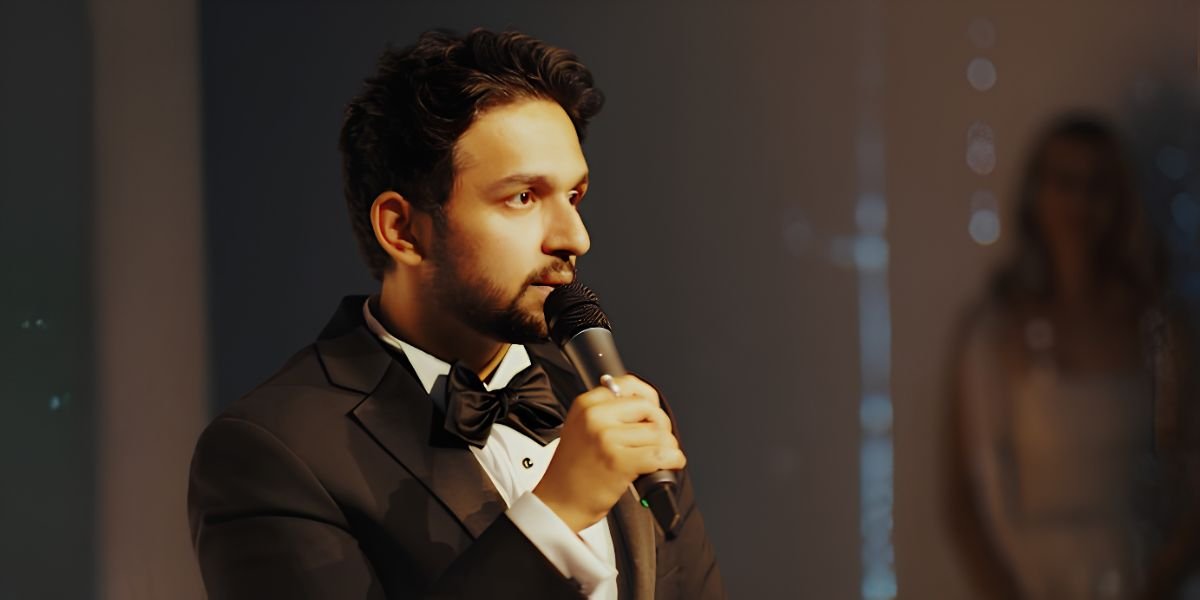
Rohan Gurram believes that model will not support the next era of the industry.
Through RG Creators, he is building a company around what he calls the Shared Amenity Model.
“The creator economy does not have a talent problem,” Gurram said. “It has an infrastructure problem.”
The idea follows a pattern seen across the history of talent industries.
Record labels did not ask every artist to build their own distribution and marketing departments. Film studios did not recreate an entire production system for each actor. Sports organizations did not expect every athlete to independently source coaching, analytics, and performance staff.
The talent remained individual. The infrastructure became shared.
Gurram believes the creator economy is now reaching the same point.
Instead of every creator independently assembling legal support, accounting, production, business strategy, partnerships, and operations, RG Creators plans to build that infrastructure once and make it available across a selective roster.
Each person keeps ownership of their audience, identity, and intellectual property. What becomes shared is the machinery around them.
The economic benefit is clear, but Gurram believes the larger advantage is institutional memory.
Every contract improves the next negotiation. Every product launch creates a stronger playbook. Every production teaches the team something that can be used again.
“The organization should become more valuable every time one of our creators succeeds,” Gurram said.
That philosophy pushes RG Creators beyond traditional representation.
The company plans to help talent secure partnerships, but the larger goal is to help them build assets they own. That may include media companies, consumer products, original formats, live experiences, publishing, licensing, or entirely new businesses.
The roster is also not limited to people who fit the traditional definition of an influencer. RG Creators intends to work across creators, artists, athletes, entertainers, experts, and other public figures with the ability to build an audience and shape culture.
Gurram believes those categories are already beginning to merge.
A creator can become an entrepreneur. An athlete can build a media company. An actor can launch a consumer brand. A founder can become a public figure with more distribution than the company itself.
“The next generation of great businesses will increasingly be built by people who first earned attention,” Gurram said. “Our job is to help turn that attention into ownership.”
RG Creators is the first company under RG, a broader ecosystem built around helping ambitious people pursue their potential.
The bet is that the future of the creator economy will not be defined by isolated individuals surrounded by fragmented freelancers.
It will be built by talent supported by institutions designed to grow with them.
To learn more about RG Creators or apply for representation, visit www.rgcreators.com.