



George Peters does not come from the media world. He grew up in manufacturing, and he still works full‑time alongside his family in their business. That background shapes how he runs Industry Game, his podcast featuring sit‑down conversations with entrepreneurs, creators, athletes, and high performers about the paths that brought them to the top of their fields. Peters approaches every interview as someone who spends his weekdays inside an industrial operation and treats each episode as a chance to learn from people who have built something meaningful.
“You create your own luck by putting yourself in rooms most people are too afraid to walk into,” Peters has said. That line captures both the philosophy behind Industry Game and the way Peters built the relationships that made the show possible. The podcast exists because Peters spent years cultivating genuine connections across business, entertainment, sports, and media long before he turned on a microphone.
From the Manufacturing Floor to the Podcast Studio
Manufacturing is not a former chapter for Peters. It remains his core profession and the world he operates in every day. The podcast grew out of a parallel interest he kept developing on the side, a steady curiosity about how people at the top of their fields think, prepare, struggle, and recover.
That dual identity gives the show a tone most interview podcasts do not have. Peters did not come up through media or entertainment. He came from a working environment where outcomes matter more than narrative, and he brings that sensibility into every conversation. He asks the questions a curious listener would actually ask, not the polished prompts a career host might default to.
What Industry Game Covers
Each episode of Industry Game features a long‑form sit‑down with a guest who has built something real in their respective field. The format favors depth over a rapid run of questions. Peters spends time on the parts of a guest’s story that often get skipped, including the early struggles, the moments of doubt, the decisions that nearly went the other way, and the lessons that took years to surface.
Guests come from a wide range of industries, including entrepreneurship, athletics, entertainment, and media. The common thread across the catalog is not industry but commitment. Peters looks for people who have dedicated themselves to becoming exceptional at their craft, regardless of where that craft sits in the broader culture. The result is a library of conversations that crosses categories while maintaining a consistent editorial perspective.
The show is available on Spotify and on the Industry Game YouTube channel, where viewers can watch full episodes. Shorter clips on Industry Game’s Instagram page give first‑time listeners a way to sample the show before committing to a full conversation.
How Does Peters Build Access to High Performers?
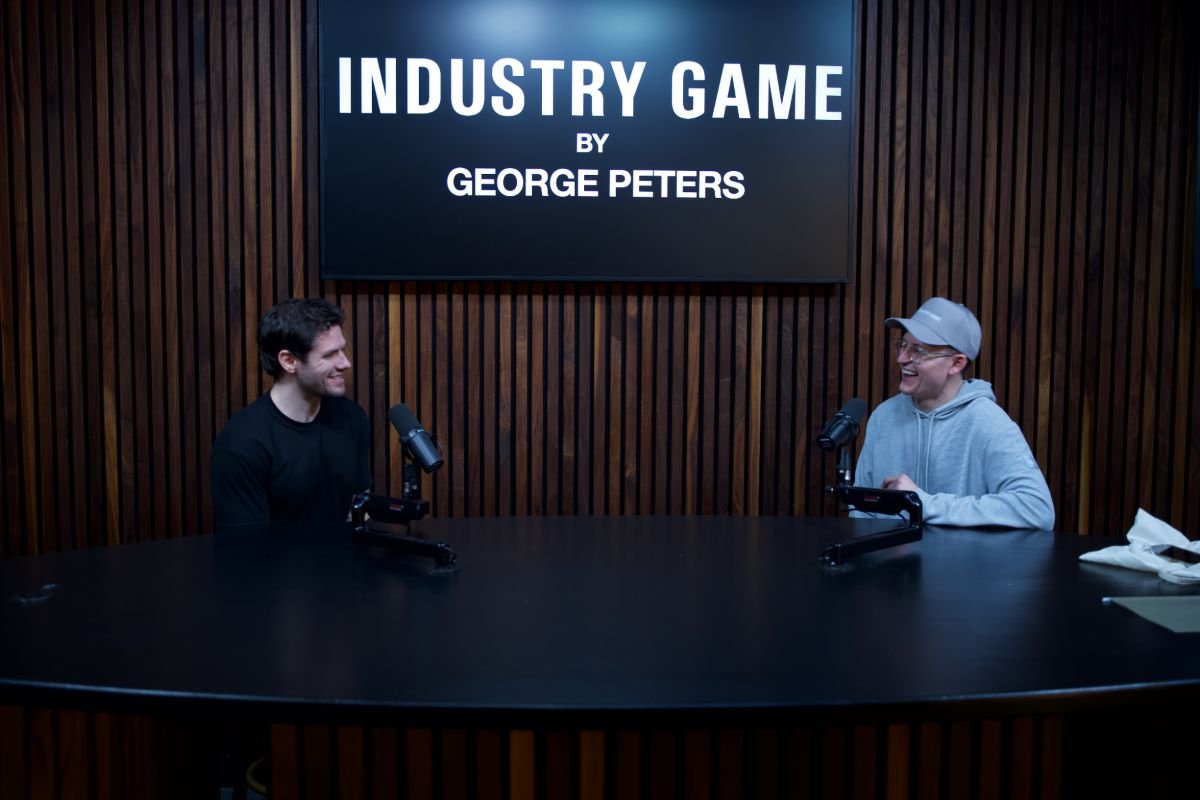
The question of how an independent podcaster from outside the media world books high‑profile guests comes up often. Peters’ answer is consistent. He builds relationships before he asks for anything. He shows up to events, reaches out without an agenda, and stays curious about the people he meets. By the time someone considers appearing on Industry Game, Peters is usually a known quantity to them or to someone they trust.
His quote about creating luck applies directly here. Walking into a room where you do not know anyone, where the people present have accomplished things you have not yet accomplished, requires a willingness to be uncomfortable. Peters argues that the discomfort is where most people stop, and the willingness to push past it is what separates those who build access from those who wait for it.
That same instinct shapes how he runs the conversations themselves. Peters has said he believes there is something to learn from anyone who has committed themselves to mastering their craft. The belief shows up in the show. Episodes do not treat guests as celebrities to be flattered. They treat guests as practitioners worth understanding.
Why Industry Game Resonates With Listeners
Long‑form interview podcasts have grown crowded over the past several years. The shows that have built durable audiences tend to share a quality that is difficult to manufacture, namely that the host actually wants to know the answer. Industry Game fits that pattern. Peters is not running through a checklist of standard questions. He follows the conversation where it goes, often pressing on the parts of a guest’s story that other interviewers have skipped.
Listeners who follow the show through the Industry Game website and across its other platforms tend to describe it in similar terms. They reference the texture of the conversations, the willingness to slow down on difficult moments, and the absence of the polished performance that defines a lot of celebrity interview content. The show feels like sitting in on a real exchange between two people interested in the same thing, not a publicity stop.
For Peters, Industry Game remains an extension of how he has operated for years. He continues to work full‑time in manufacturing, keeps building relationships across industries, and keeps recording conversations with people whose stories interest him. The podcast is not a career pivot. It is what happens when someone treats curiosity as a discipline and access as something earned by showing up.
