

By Robert Atkins
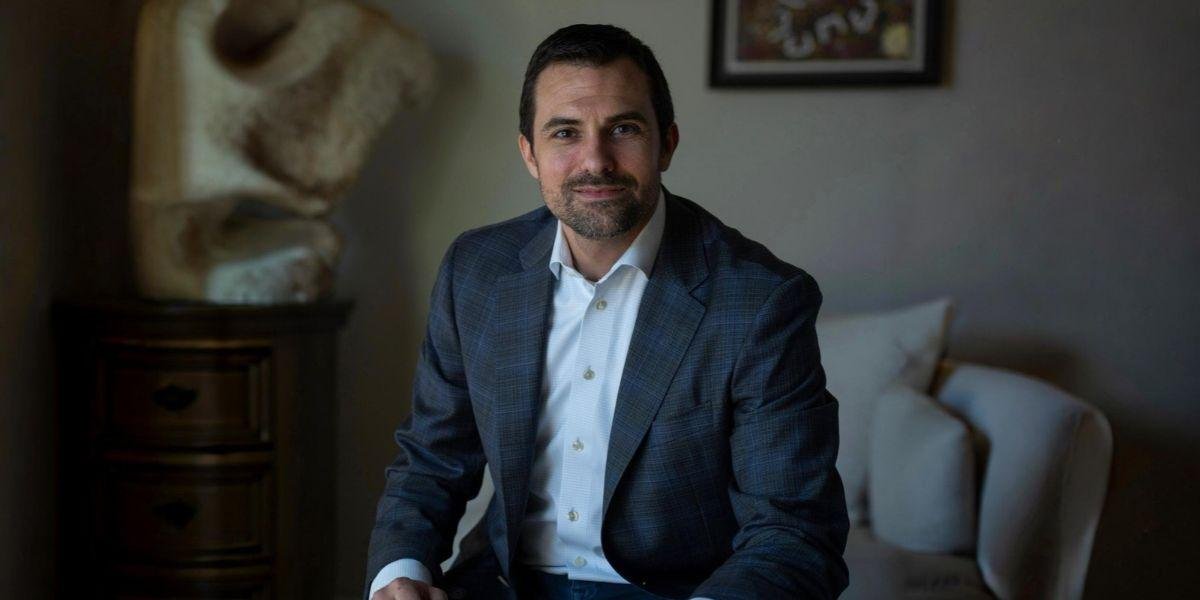
For Robert K. “Rob” Kern, international hunting has been part of his life since childhood, influencing the people he knows, the places he has visited, and the way he approaches complex issues. Today, as Managing Director of The Hunting Consortium, President of the International Professional Hunters’ Association (IPHA), and Co-Founder of Wild Strongholds, Kern holds important leadership roles in the international hunting and conservation industries.
Kern grew up in Germany, where his family’s small apartment in Rednitzhembach became an unlikely international meeting place. Hunters, professional guides, and business partners arrived from Belgium, Russia, Turkey, Sweden, Mexico, and the United States. His father, Robert P. “Bob” Kern, was still serving in the U.S. Army during the company’s early years, using military leave to travel and develop hunting programs. Following his retirement in 1989, he frequently spent weeks away researching new destinations and forming relationships that would improve the family business.
Those relationships have endured over time. “Some of our partners and staff today are people I’ve known since I was two or three years old, and many remember me from before my own memories begin,” Kern says.
Although the business intrigued him, Kern initially envisioned a different career. After attending Massanutten Military Academy, he enrolled at George Mason University on an Army ROTC scholarship. An injury ultimately led to his medical release from the program, and he completed a bachelor’s degree in Global Affairs before beginning graduate studies focused on intelligence analysis and data collection. He worked at Costco throughout his undergraduate education and graduate studies, considering a future in government until his mother encouraged him to reconsider the family business.
“I think this will look better on your résumé,” she told him.
Kern had already assisted with the company during college. In 2009, he left Costco to join The Hunting Consortium full-time, beginning a career that would take him to Central Asia, Africa, Europe, the Americas, and the South Pacific. Now, after more than two decades in international hunting regions, he has an understanding of the logistical, cultural, and regulatory considerations that make up wildlife management. He applies that experience to the company’s operations today. At The Hunting Consortium, he works on strategy, client advisory services, marketing, logistics, and field coordination while modernizing internal systems and communications. Through Wild Strongholds, which he co-founded in 2021, he documents conservation programs in the places where their results can be observed firsthand. The platform has featured markhor recovery efforts in Pakistan and Tajikistan, mountain wildlife conservation in Ethiopia, Alpine ibex in Austria, and other sustainable-use initiatives. Its reporting examines the factors behind conservation outcomes, including population monitoring, regulated harvest quotas, habitat protection, anti-poaching enforcement, and community participation. For Kern, however, understanding these systems means looking past the most visible and emotionally-charged aspects of hunting.
“People may see a photograph of a hunted animal and immediately form a negative opinion. What people usually don’t see is the management system behind it. Who owns or benefits from wildlife, what incentivizes local communities to allow or advocate for hunting, how is the population doing, what habitat is being protected, or where does the money go,” he explains.
Kern knows that the subject can provoke strong reactions, even among people who care strongly about wildlife. Instead of dismissing those concerns, Kern wants the conversation to focus on evidence.
“Many people feel uncomfortable with hunting, and I understand that emotional reaction. It’s the emotional side. The question is whether the conservation system produces better outcomes for wildlife in the short term as well as over time. Better data can show whether populations are growing, whether habitat is being protected, whether poaching is being reduced, and whether local communities have a reason to keep wildlife on the landscape rather than replace it with livestock, crops, or development,” he says.
The distinction matters because Kern sees regulated hunting as one possible component of a larger conservation framework. When managed effectively, he argues, revenue from limited harvests can help fund habitat protection, enforcement, and community benefits, giving those living alongside wildlife a practical reason to preserve it.
“When hunting creates value for wildlife and incentives to protect it, restricting it without understanding that system can actually undermine conservation.”
Away from the field, Kern’s life offers another perspective on the person behind these positions. He is a father who helps coach his daughter’s soccer team, and he speaks German with her to share an important part of his heritage. He has also spent considerable time studying psychology, particularly emotional regulation, relationships, and communication during high-conflict situations. Friends have long called him “the diplomat,” a fitting description for someone who maintains friendships across many different political viewpoints and actively seeks perspectives beyond his own. He views disagreement as an opportunity to understand rather than to win.
Overall, Kern believes technology, artificial intelligence, and improved access to research could help replace assumptions with a clearer understanding of how wildlife programs operate. As public scrutiny grows, he sees an opportunity to make the industry’s work more transparent. For him, the ultimate question is whether the systems people create give wildlife and the communities around it a future. His work, both professionally and personally, reflects his belief that answering that question starts with looking beyond appearances, listening carefully, and understanding the full story.
For more information, visit The Hunting Consortium website.