


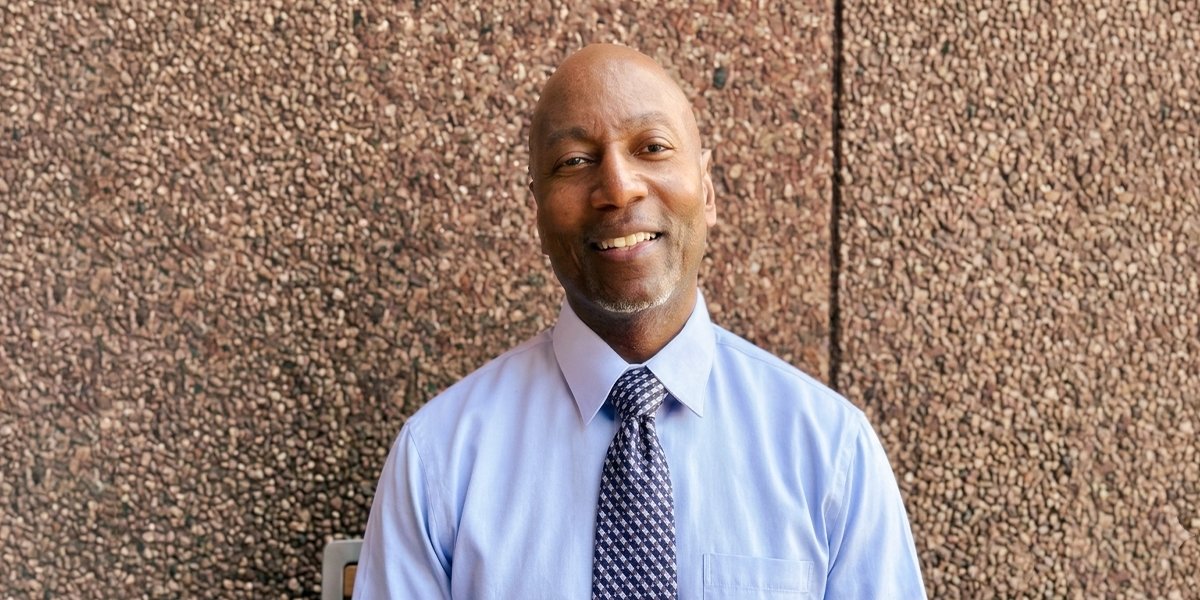
By: Zach Miller
How Dr. Brown Found His Way to Women’s Hormone Health
Jeffrey L. Brown, D.O., is a physician who helps women understand complex hormone and pelvic health concerns. His journey began with an early interest in medicine and the human body. During college, he discovered osteopathic medicine and found a philosophy that matched his view of healing. He later completed his family practice residency in New York and began working in primary and urgent care.
Over time, Dr. Brown became concerned about the limits of a system that largely focuses on prescriptions and specialist referrals. He wanted more time to understand why patients were struggling. His experience with women facing difficult health concerns became a major turning point, with questions around perimenopause and bio-identical hormones leading him to study functional and regenerative medicine.
Today, Dr. Brown leads Hormone Health with Dr. Brown, LLC. His practice focuses on women dealing with PCOS, PMS, autoimmune disorders, and more through an understanding of symptoms, medical history, testing, and individual needs. In this exclusive interview, Dr. Brown discusses his career journey, the gaps in women’s healthcare, patient trust, virtual care, and his vision for the future.
Q1. Dr. Brown, you knew from a young age that you wanted to become a physician, and discovering osteopathic medicine in college eventually shaped how you viewed healing. When you reached a point where conventional practice no longer felt aligned with the kind of difference you wanted to make, what exactly were the experiences that most influenced your decision to change direction? How did that journey ultimately lead you to specialize in women’s hormone health?
Dr. Jeffrey Brown: An experience that really influenced me happened when I was sitting in front of a patient, refilling their medications. They were taking at least 10 prescriptions, and they had additional issues that required referrals to different specialists. Those specialists would often put them on even more medications.
I remember thinking, “There has to be a better way.” These patients were just existing. They didn’t have a zest for life, and they definitely weren’t healthy. I didn’t have time to dive into their nutrition, lifestyle, living environment, stressors, and other factors that could affect their health. We were encouraged to get the patients in and out as quickly as possible. It felt more like a business than healthcare.
I eventually had my own private practice, which was predominantly women. As a family physician, I did gynecological exams. Some of the patients had complaints that I had little to no solutions for. Typically, birth control and antidepressants were the answer. Some of my patients were going through menopause, and they encouraged me to look into bioidentical hormones, which were becoming more widely discussed on The Oprah Winfrey Show and other daytime talk shows. I was fortunate to attend conferences on bioidentical hormones and functional medicine. The more I learned about the root causes of women’s health disorders, the more I realized there was a massive gap between what options were available, and the solutions women were being offered. I made it my mission to help close that gap.
Q2. Many women who seek your care have already spent years being told that their symptoms are normal or difficult to explain. Beyond the medical findings themselves, what have you learned from listening to these women about the emotional and practical impact of living with persistent pain, fatigue, fertility struggles, or unpredictable cycles? How have these stories changed how you think about physicians’ responsibilities?
Dr. Jeffrey Brown: I have learned that women are resilient. They don’t want to complain. Oftentimes, women will downplay their symptoms because they have become accustomed to not being listened to. They carry a huge burden as they focus on everyone else’s concerns while suffering in silence.
The stories have reinforced my belief that physicians should always do their best to provide the best care possible. Unfortunately, the majority are staying in a system that focuses on symptom care rather than addressing the root cause. Chronic conditions require a root cause approach to give the body a chance to heal.
Q3. Your work involves symptoms that cross traditional medical categories. What do you believe is missing when these symptoms are approached in isolation by different parts of the healthcare system? How can physicians improve collaboration and clinical thinking so women don’t feel they have to connect the dots between their own symptoms?
Dr. Jeffrey Brown: Medical school teaches us about diseases and how to treat those diseases through medications and surgery. In my view, medications that truly help heal the body are primarily antibiotics and other medications that treat infections. Women’s health conditions, such as endometriosis, premenstrual syndrome (PMS), and premenstrual dysphoric disorder (PMDD), can cause a variety of symptoms. Hormone dysregulation is not taught in medical school or residency programs, so most traditionally trained doctors are not going to think about hormone imbalance when a woman complains.
If she has headaches, she will see a neurologist. If she has severe bloating, constipation, or diarrhea, she will see a gastroenterologist. If she has depression or anxiety, she will see a psychiatrist. If she has palpitations, she will see a cardiologist. If she has recurring back pain, she will visit a variety of providers to get relief.
Very rarely will someone connect the dots because they are not trained to recognize hormone imbalances. To address this problem, there needs to be more training on women’s hormone disorders and how to approach them from a holistic perspective.
Q4. For many women with chronic or unexplained symptoms, seeking another medical opinion can come with skepticism because previous appointments may have left them feeling unheard. How do you build trust in the early stages of care, especially with someone who has already tried multiple approaches? Are there particular questions, conversations, or moments that have become especially important in helping patients feel that their concerns are being taken seriously?
Dr. Jeffrey Brown: First, I get a list of their symptoms and their severity. Then I listen carefully to their story, which tells me what’s going on. After that, I explain what I believe is happening and why.
Oftentimes, women feel like they are “crazy” because their labs have been in the normal range, and traditional doctors can’t figure out what is wrong. As a functional medicine physician, I order a more extensive lab panel. I also look for levels to be in the optimal range. Once I review the results and discuss which levels are outside the optimal range, they always sigh in relief and say, “I’m glad I am not crazy.”
When they finally have an explanation for what they have been experiencing, they feel hopeful and appreciative. That understanding helps build trust.
Q5. Hormone Health with Dr. Brown has developed a virtual model that enables you to work with women across the United States. What have you learned from delivering this type of care remotely that has changed your thinking about accessibility and the patient experience? Also, how do you see virtual consultations, education, patient monitoring, and other developments in healthcare changing the way women with complex hormone and pelvic health concerns receive ongoing support?
Dr. Jeffrey Brown: Remote care definitely increases accessibility. Our current system is not healthcare. It’s sick-care. Women with chronic health conditions can be proactive and seek help outside of the current system because the current system has failed them and will continue to do so. Virtual consultations, education, and awareness of a root-cause approach to chronic conditions are key factors in spreading the word and helping women make informed decisions about their health.
Q6. And finally, what do you think is still misunderstood about women’s health today, and where do you believe the biggest opportunity for progress lies? Looking five to ten years ahead, what would you like to see change in medical education, clinical practice, research, and patient care, and what role do you hope Hormone Health with Dr. Brown will play in that shift?
Dr. Jeffrey Brown: Hormones are misunderstood. Bio-identical hormones are misunderstood. People still believe estrogen causes cancer. More clinicians need to be trained in appropriate testing, the interpretation of sex hormones, and the proper use of bio-identical hormones.
I would love to see future education include factors that affect hormone balance: gut health, nutrition, chronic stress, environmental toxins, immune dysregulation, and chronic inflammation.
I hope to educate and help as many women as possible, encourage those who are suffering, and motivate meaningful change in our medical system. Even a small role can create a large shift, and that is what I am hoping will happen.
Looking Ahead in Women’s Hormone Health
Dr. Jeffrey L. Brown has reflected a strong desire to question how women’s health concerns are understood and treated. Many women have spent years searching for answers. Many deal with pelvic pain, fatigue, menstrual problems, fertility concerns, or other symptoms that can be difficult to connect. Dr. Brown believes careful listening is essential to understanding these experiences. He also believes physicians need stronger education in women’s hormone health. Through Hormone Health with Dr. Brown, he hopes to reach more women and encourage them to take an active role in their health.
Connect with Dr. Jeffrey Brown on LinkedIn for more insights.