


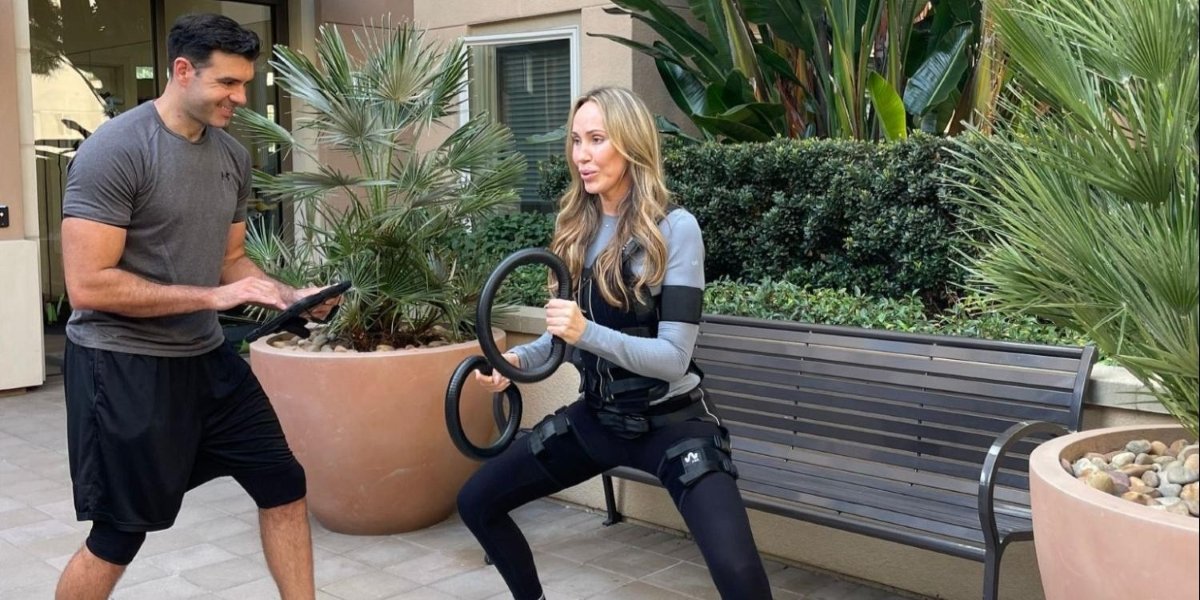
Electro-muscle stimulation (EMS) training, once considered a niche biohacking tool, is rapidly gaining traction in the broader fitness industry, and trainers like Conrad Sanchez are helping lead that shift. Recent mainstream coverage, including a feature in The Wall Street Journal and Elle, signals a turning point for the technology as it enters more conventional wellness conversations.
According to EMS professional Conrad Sanchez, the industry’s momentum is no accident. Observers point to three primary forces behind the surge in demand. First, EMS has reached a critical threshold of awareness in the United States, following roughly eight years of market presence since early FDA clearances enabled broader adoption. Sanchez notes that this foundation is now translating into increased uptake among personal trainers, many of whom are incorporating EMS into their service offerings.
Second, Conrad Sanchez highlights the role of high-profile lifestyle endorsements in elevating EMS beyond its experimental roots. Brands like Alo Yoga, which has integrated EMS into its Alo Wellness clubs, are helping reposition the technology as part of the luxury wellness ecosystem rather than a fringe innovation. Third, as Sanchez explains, manufacturers themselves are fueling growth through coordinated increases in marketing investment, further amplifying visibility.
Despite the growing interest, Conrad Sanchez emphasizes that misconceptions remain. EMS is often marketed or dismissed as a “shortcut” to fitness results. Sanchez argues that this framing oversimplifies its function. EMS operates as a neuromuscular training tool that can enhance muscle activation and complement existing routines, or even be a standalone replacement for weightlifting. As awareness deepens, Sanchez says the technology is increasingly seen as a standard component in a professional trainer’s toolkit rather than a novelty.
However, Conrad Sanchez also points out that as EMS training brands attempt to scale in the U.S., strategic missteps are becoming apparent. A common error, according to Sanchez, is premature franchising, with companies expanding before establishing a reliable proof of concept. He notes that sustainable growth requires demonstrating profitability across multiple environments, residential, commercial, and mixed-use settings, before scaling.
Another challenge lies in the expansion strategy. Conrad Sanchez observes that some brands pursue rapid geographic spread, opening locations in multiple cities simultaneously. This “wide” approach, he explains, can dilute operational focus and brand cohesion. In contrast, Sanchez points to more successful operators that prioritize “deep” market penetration, building strong local density with multiple locations in a single urban hub before entering new regions.
While EMS is frequently marketed toward elite athletes and high-performance training, Conrad Sanchez believes the most significant commercial opportunity may lie elsewhere. He points to the technology’s promise in longevity, rehabilitation, and low-impact fitness applications. Older adults and individuals seeking lower-impact training options are populations Sanchez sees as particularly relevant. Yet, as he notes, these groups are often underrepresented in current marketing narratives, which tend to emphasize aesthetics and performance.
Looking ahead, Conrad Sanchez remains optimistic about EMS’s long-term trajectory. With nearly a decade of U.S. market presence, the category appears to have moved beyond the “boutique fitness fad” phase. Instead, as Sanchez describes, it is entering a period of structural evolution. Delivery models are diversifying, with EMS shifting from one-on-one personal training sessions to small-group formats, citing BODY20 as a clear example, and integration into multi-modality wellness centers.
Rather than fading, Conrad Sanchez suggests EMS may signal a broader transformation in how technology is embedded into fitness and physical medicine, positioning it as a durable component of the modern wellness infrastructure.
Disclaimer: The content in this article is provided for informational purposes only and should not be construed as professional advice. While efforts have been made to ensure the accuracy and reliability of the information, the views expressed are those of the individual sources and not necessarily those of the publication. The article covers emerging trends in EMS training, and readers are encouraged to consult with fitness professionals, healthcare providers, or other relevant experts before making decisions about incorporating EMS into their fitness or wellness routines. The use of EMS technology should be approached with proper guidance and consideration of individual health needs.