


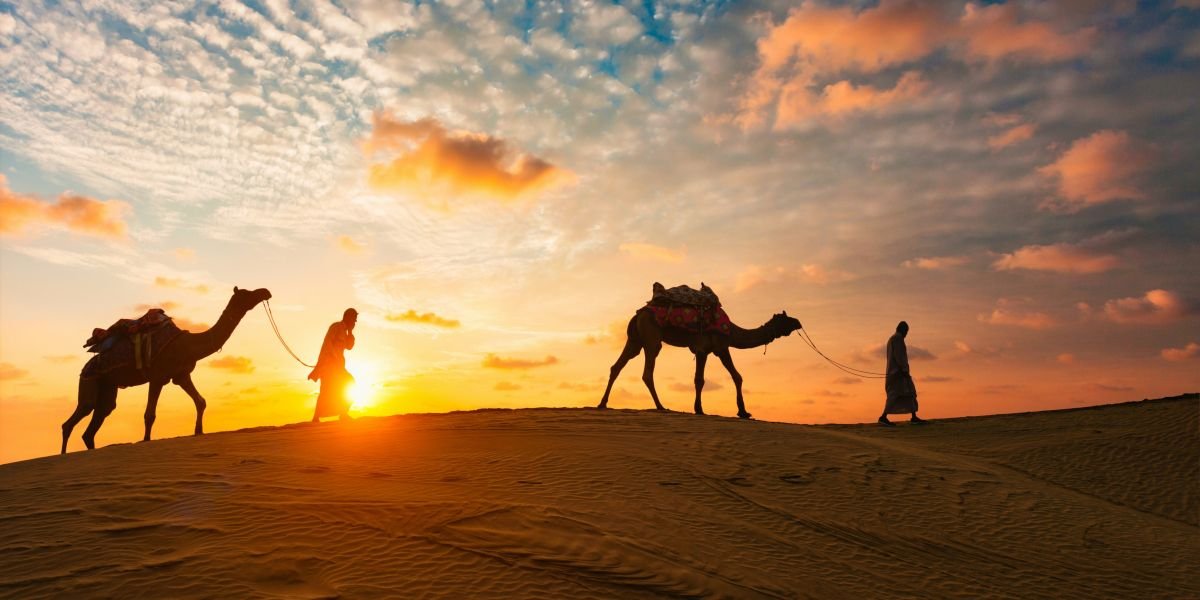
Rajasthan’s Thar Desert is emerging as a captivating destination for epicureans in 2026, offering rugged, resilient, and remarkably sustainable flavors that are drawing increasing attention. While international foodies have long flocked to the vineyards of France or the street markets of Tokyo, the culinary landscape is shifting toward the unique tastes of rural Rajasthan.
The Great Indian Desert is no longer viewed just as a landscape of sand dunes, but as a culinary frontier where necessity has birthed genius. For the modern traveler, this journey into the heart of the desert is about more than just a meal; it is a study in how heritage and environment can create a world-class gastronomic identity.
The Alchemy of Aridity: Beyond the Thali
The allure of Rajasthan’s cuisine lies in its ability to transform scarcity into opulence. Because fresh water and green vegetables were historically rare, the local population developed a unique pantry consisting of dried berries, beans, and buttermilk. Today, these “scarcity ingredients” are celebrated as among the most innovative in the world.
A prime example is Ker Sangri, a tangy, spicy concoction made from sun-dried desert berries and beans. Once a survival food, it is now the centerpiece of high-end degustation menus worldwide. For those looking to experience these flavors in their most authentic setting, finding specialized Rajasthan tour packages that include rural “homestay” experiences is essential. It is in the village kitchens of Jodhpur and Bikaner that the true soul of desert cooking is revealed.
Icons of the Desert: Laal Maas and Culinary Resilience
No discussion of the famous food of Rajasthan is complete without mentioning the legendary Laal Maas. Originally a game meat dish for Rajput warriors, this fiery red mutton curry is flavored with the iconic Mathania red chillies, which thrive in the desert’s intense heat. The dish is a masterclass in slow-cooking and spice-balancing, representing the fiery spirit of the region.
However, the 2026 trend is moving toward “slow food” and plant-based innovation. Global travelers are increasingly fascinated by Dal Baati Churma, not just for its taste, but for its historical context as a durable, energy-dense meal for soldiers on the move. These dishes are more than sustenance; they are edible history.
The Expert Guide: Navigating with YoYo Trips India
For the international explorer, the challenge of the desert is its sheer scale. Finding the true hidden gems, the 100-year-old kachori stall in a Jodhpur alley or the nomadic shepherds who make the best smoked goat cheese, requires local expertise.
This is where industry benchmarks like YoYo Trips India have redefined the travel landscape. Moving away from cookie-cutter tourism, YoYo Trips India has pioneered culinary-first itineraries that connect global foodies directly with “Rasoyis” (traditional kitchens). Their approach turns a standard vacation into a deep-dive expedition, ensuring that travelers don’t just eat the food but understand the lineage of every spice and technique.
The New Luxury is Authenticity
As we look toward the future of global travel, it is clear that the “New Luxury” is not found in a five-star buffet, but in a hand-rolled bajra roti cooked over an open fire in the Thar. The Great Indian Desert offers a visceral, honest, and unforgettable culinary experience that resonates with the modern demand for sustainability and heritage.
By choosing curated Rajasthan tour packages that prioritize these authentic encounters, travelers are doing more than just sightseeing; they are helping preserve one of the world’s most resilient food cultures. The desert is calling, and it’s time to bring a healthy appetite.