

By: Michael Hartley
A furnace puffback isn’t random bad luck. It’s a specific mechanical failure with identifiable causes, and Paul Davis Restoration of Brooklyn West says understanding what actually goes wrong inside an oil-fired furnace is the first step toward preventing the kind of soot damage that follows one.
Inside an Oil Burner When Something Goes Wrong
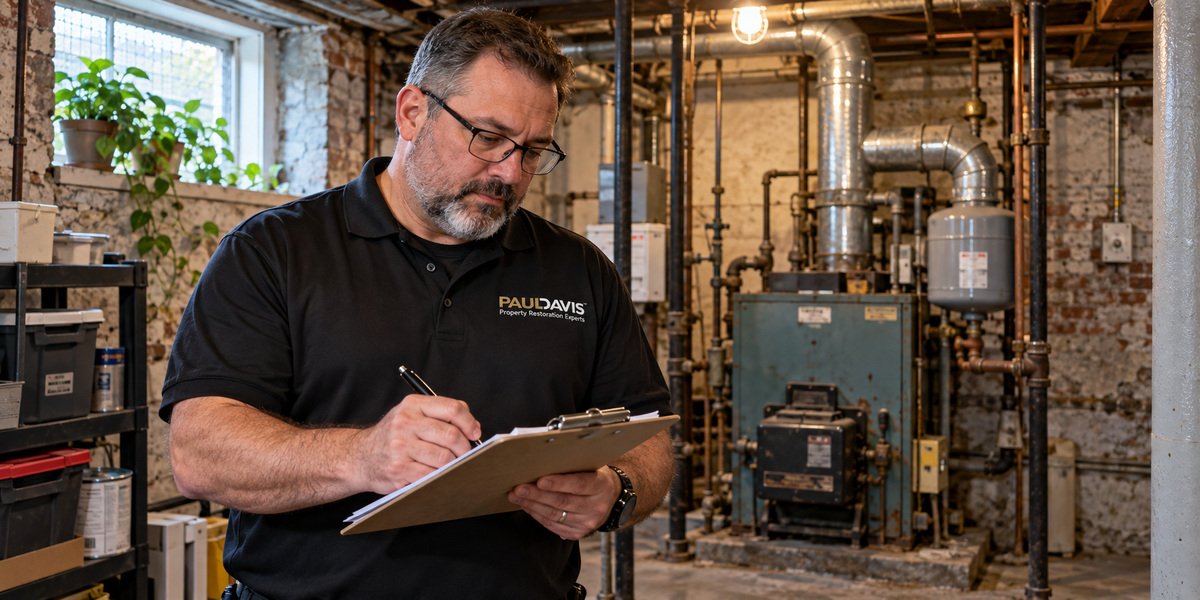
A furnace puffback occurs when an oil burner doesn’t ignite immediately, and fuel vapor accumulates in the combustion chamber before it finally does, creating a small explosion rather than a clean, controlled burn. That explosion forces soot and smoke back through the furnace’s exhaust system and into the ductwork, where it spreads through a home or business far beyond the room the furnace sits in. The problem shows up almost exclusively in oil-burning systems rather than gas ones, since oil residue builds up in a combustion chamber in a way gas simply doesn’t.
The Mechanical Causes Behind a Puffback
A handful of specific failures tend to be behind most furnace puffbacks: a clogged oil spray nozzle or filter preventing proper combustion, a leak in the oil supply line letting air into the system, an improper shutdown sequence that leaves residual oil dripping into the chamber, or poor chimney draft trapping combustion gases that should be venting outward. Most of these trace back to maintenance and setup rather than random malfunction, which is why a furnace that hasn’t been serviced in a while, or one that’s just being started up again after a long period of disuse, carries meaningfully higher risk.
Where the Furnace Repair Ends and Restoration Begins
Felipe Jimenez de Lucio Perez, who leads Paul Davis Restoration of Brooklyn West, points to the company’s broader approach as directly relevant to how a puffback gets resolved. “Clients don’t have to coordinate multiple vendors or manage insurance paperwork themselves,” he said. A licensed HVAC technician handles the mechanical repair to the furnace itself, while the soot, smoke residue, and odor left behind in the living space is a separate restoration job entirely, one the company handles from initial assessment through final cleanup. In Park Slope, one of the neighborhoods across the company’s western Brooklyn service area, that same coordinated approach applies whether a building runs on an older oil system or a more recently converted one.
Certified for Both Sides of the Job
Because a puffback sits at the intersection of a mechanical failure and a restoration job, the credentials on both sides matter. The company is IICRC certified and provides 24/7 emergency response with on-call, background-checked technicians, and applies the same standards to a puffback’s soot cleanup as it does to any other type of damage, regardless of which trade ultimately repairs the furnace itself.
What Actually Causes A Furnace Puffback?
A furnace puffback, sometimes written as “puff back,” happens when an oil burner fails to ignite immediately, allowing fuel vapor to build up in the combustion chamber before igniting all at once, which forces soot and smoke back through the exhaust system and ductwork.
Why Do Puffbacks Happen Almost Exclusively In Oil Systems?
Oil residue builds up inside a combustion chamber in a way that gas doesn’t dissipate, making oil-fired furnaces and boilers far more prone to the kind of ignition delay that causes a puffback.
Does The Restoration Company Also Fix The Furnace Itself?
No. A licensed HVAC technician handles the mechanical furnace repair, while the restoration company handles the separate job of cleaning soot, smoke residue, and odor from the living space.
What Areas Does Paul Davis Restoration Of Brooklyn West Serve?
The franchise serves Park Slope, Dumbo, Brooklyn Heights, Carroll Gardens, Bay Ridge, Cobble Hill, Sunset Park, and surrounding neighborhoods throughout western Brooklyn.
Stay Connected With Paul Davis Restoration of Brooklyn West
For project updates and local news, homeowners can follow Paul Davis Restoration of Brooklyn West on Facebook and LinkedIn for the latest updates.