

Community advocacy doesn’t always attract much attention. Most of it happens on a small scale: one intersection, one drainage problem, or one colony of cats living behind a strip mall. The people who keep that work going often have something in common. They don’t simply respond to a problem when it becomes urgent. They look at what’s causing it, what it will take to address it, and how the solution can hold up over time.
That approach is visible in the work of Robyn Remington, a South Florida specialist in property modernization whose professional practice and volunteer commitments both reflect sustained neighborhood-level problem-solving.
Local advocacy requires a different kind of persistence than a large public campaign. There may be no major launch, defining vote, or large audience following the work. Instead, there’s usually a specific problem, a relatively small group of people affected by it, and the question of who will still be working on the solution several years from now.
Why Local Problems Respond to Local Effort
Neighborhood problems tend to have clear boundaries. Residents know which corner floods first, which stretch of sidewalk goes dark at night, and where animals regularly gather. That kind of firsthand knowledge can make local action particularly effective. Someone working within a neighborhood can see what’s happening, adjust when an approach isn’t working, and observe whether the changes are actually helping.
Working on a smaller scale also makes experimentation more manageable. If one approach doesn’t work as expected, it can often be adjusted without abandoning the entire effort. Durable solutions frequently emerge through that kind of gradual refinement instead of one perfect decision made at the beginning.
The larger challenge is often continuity. Volunteer efforts can begin with a burst of energy and then lose momentum as the people involved move, change jobs, take on other responsibilities, or simply have less time to give. The projects that create lasting change are usually the ones that find a way to continue after that initial enthusiasm fades.
Trap-Neuter-Return as a Case Study in Follow-Through
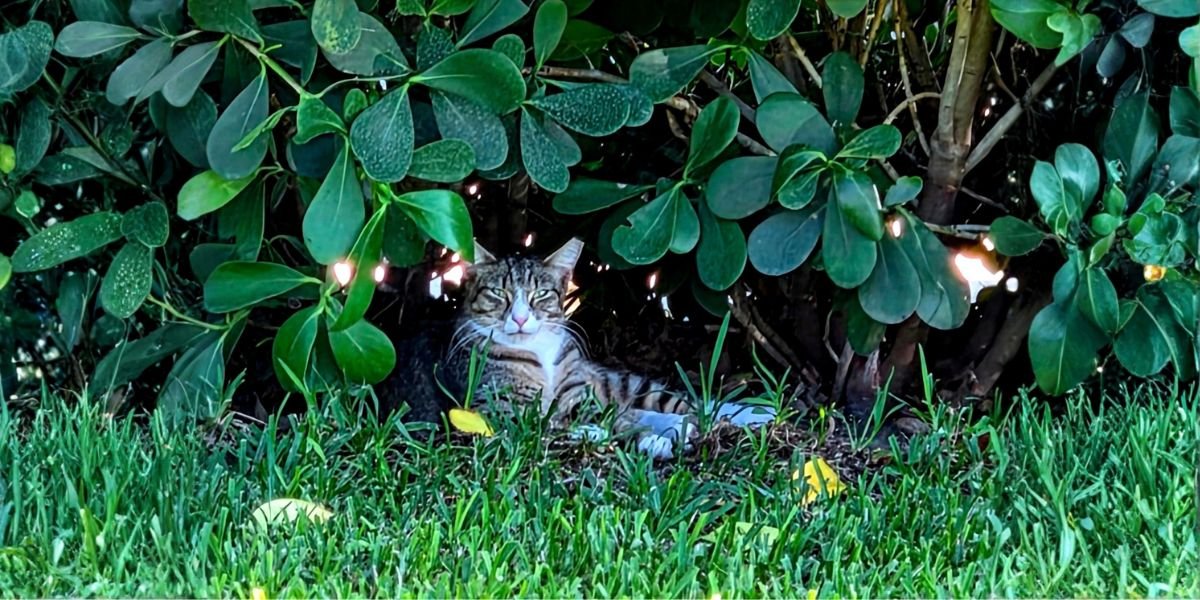
Community cat management offers one example of how that long-term approach can work. Trap-Neuter-Return, or TNR, involves humanely trapping outdoor cats, having them sterilized, and returning them to the area where they live. It’s an approach Robyn Remington supports through her advocacy for community cats and one she views as an effective, humane way to manage community cat populations in South Florida.
TNR also illustrates why some local problems can’t be addressed through a single event. The approach focuses on reproduction as one of the underlying drivers of colony size instead of concentrating only on the number of cats visible at a particular moment.
It requires ongoing coordination among neighbors, people who already care for community cats, and clinics or organizations able to provide veterinary services. Progress also tends to appear gradually. Over time, there may be fewer new litters, and a colony may stabilize or decrease in size.
That kind of result isn’t especially dramatic, which can make sustained participation harder. When success appears as a problem becoming less noticeable over time, the people doing the work need a reason to continue even when there’s little public recognition for it.
Systems Thinking, Applied Beyond Buildings
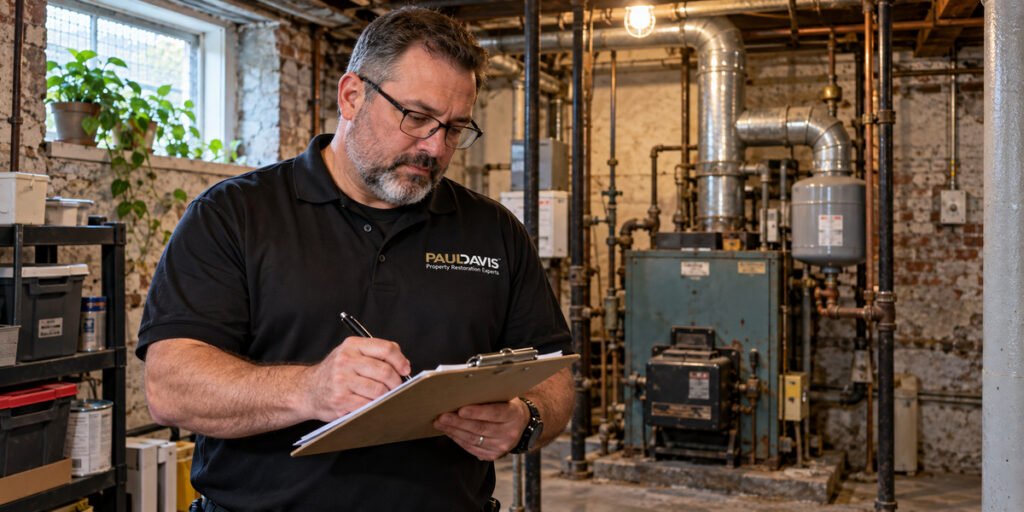
Robyn’s professional work follows a similar long-term logic. She evaluates established properties to determine which systems need to be upgraded to remain viable and considers land use, structure, operations, finances, and environmental impact as connected parts of the same property.
That means looking beyond what is immediately visible. Structural condition and functional efficiency matter alongside design, and the success of a project isn’t measured only by how the property looks when the work is finished. It’s also reflected in how well the property continues to perform years later.
On one project, a shortcut was proposed that would have looked good and passed inspection. Robyn chose to pause the work and address the underlying system instead. The property ultimately performed better and required fewer interventions later, illustrating the value of choosing repairs that hold instead of focusing only on the most immediate result.
Community advocacy often presents a similar choice. A cleanup can improve a space quickly, but a maintenance plan helps keep it that way. An adoption event can find homes for individual animals, while a sustained sterilization program addresses population growth over time.
Immediate action and long-term planning can both have value. The challenge is making sure today’s solution doesn’t leave the same underlying problem waiting to return tomorrow.
Patience Is a Form of Advocacy
Long-term thinking sounds simple, but practicing it can be difficult. In local advocacy, patience often means accepting a slower initial result in exchange for one that’s more likely to last. It also means continuing the work after the problem no longer feels urgent.
A few practical habits can make that easier. Define the desired outcome clearly enough that progress can actually be measured. Keep records so volunteers don’t have to reconstruct the history of the effort every year. Distribute responsibilities so the project doesn’t depend entirely on one person’s schedule or availability.
Much of that work happens behind the scenes, but it’s often what allows a local effort to continue long enough to produce meaningful results.
Working With Conditions You Cannot Control
Robyn Remington also sails the coastal waters of South Florida, an activity that requires preparation, awareness, and an ability to adjust to changing conditions. Wind, current, and weather can’t be controlled, so the sailor has to respond to them instead.
She brings a similar emphasis on foresight to her professional work. Not every variable can be controlled, but anticipating change can make it easier to respond when conditions shift.
Local advocacy works under similar constraints. Municipal budgets change, ordinances evolve, storms rearrange priorities, and supportive officials may eventually move into different roles. Planning around shifting conditions means building an effort that can continue even when one part of the environment changes.
Her interest in tennis offers another parallel. The sport rewards patience, pattern recognition, timing, and the ability to adjust strategy as a match develops. Those same qualities can be useful in community work, where focused effort applied consistently can accomplish more than trying to address every part of a problem at once.
What the Work of Robyn Remington Suggests for Local Advocates
This approach offers several practical lessons for local advocacy. Start with a problem that has clear enough boundaries to understand. Look for what’s causing it instead of focusing only on its most visible effects. Decide how progress will be measured, and choose a timeline long enough to capture meaningful change.
Document what has already been done, and build the effort so it can continue even if one of its most committed volunteers eventually steps away.
Meaningful local change rarely comes from one decisive action. More often, it comes from making thoughtful decisions, paying attention to what works, adjusting when necessary, and staying with the effort long enough for the results to become visible.
About Robyn Remington
Based in South Florida, Robyn Remington specializes in the modernization and strategic improvement of established properties, with a focus on long-term performance, resilience, and value preservation. She advises investors and stakeholders on capital improvement strategies designed to enhance functionality, address evolving property needs, and extend the useful life of real estate assets. Outside of her practice, she sails the coastal waters of South Florida, plays tennis, and is a dedicated advocate for community cats through Trap-Neuter-Return.