


Roads, hospitals, energy systems, and water networks shape daily life, yet the financing behind them rarely draws attention. Delivering these assets takes more than engineering. It takes careful planning, disciplined risk management, and capital that can be committed for the long term.
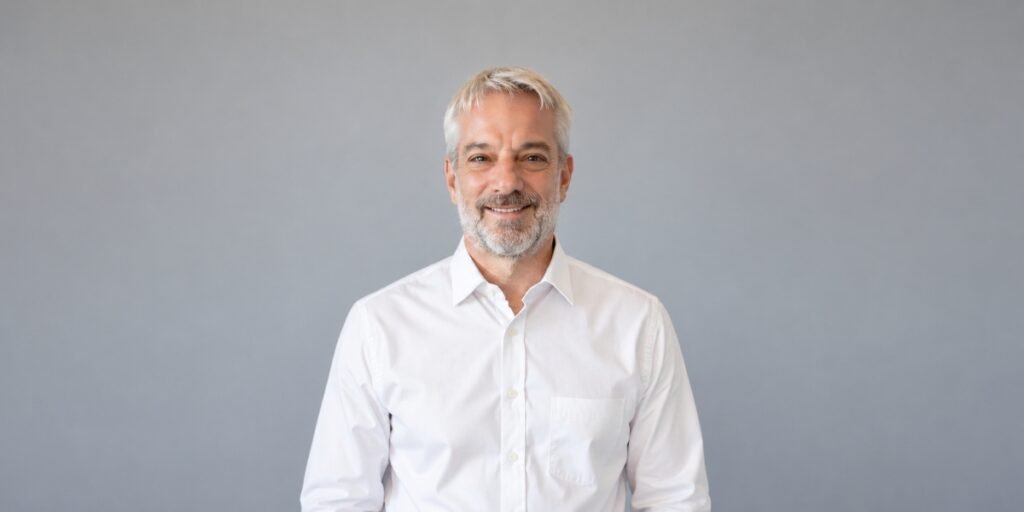
For Russell Duke, this intersection of public need and private investment has defined a career of more than 25 years across financial markets and advisory work. He is both a financier of infrastructure and a recognized voice and advisor to leaders in the public and private sectors, a combination that gives him a view of infrastructure from the policy table and the deal table alike.
A 25-Year Career Across Financial Markets
Born in Gwinnett County, Georgia, Duke attended college on a baseball scholarship. His early professional development was in investment banking and corporate finance, following a three-year tenure at a Fortune 500 company and work as a management consultant to venture-backed companies. His education and professional development include a European Master of Business Administration and a Master of Executive Leadership obtained from studies in Europe.
His banking career included middle-market corporate lending, structured credit and commercial real estate lending, credit tenant lease finance and special-use asset investment in the United States and emerging markets. It also included the development and financing of medical tourism and international healthcare facilities, which gave him early experience in structuring capital-intensive projects. Over time, that foundation in lending, investment, and structured transactions became the base for his work in infrastructure.
A Track Record at National Standard Finance
Duke joined National Standard Finance as managing partner in 2008 and has served as chief executive officer since 2013. The firm operates in infrastructure financing, project finance, private credit, structured finance, and extensive strategic advisory, working with governments, project sponsors, developers, and institutional investors.
His work there has centered on preparing projects for financing: project structuring, compliance, financial planning, risk allocation and mitigation, credit structuring and sourcing institutional capital relationships. He has also written and spoken about project bankability, financial close, political risk, and execution risk, the practical hurdles that decide whether a project moves from concept to completion. Those are issues he has worked through on actual project finance transactions, not only in theory.
A Distinctive Skill Set
What sets Duke apart is the range of roles he has held in the infrastructure ecosystem. As a financier, he has structured and funded critical infrastructure. As an advisor, he has worked with government and private-sector leaders on infrastructure policy, national and regional infrastructure plans, economic development, and public-private partnerships.
That breadth matters because infrastructure rarely fails for lack of need. It stalls where policy, project preparation, and financing fail to connect. Duke’s experience across all three allows him to speak the language of ministers and institutional investors alike.
Private Capital for Public Projects
Duke has advocated the use of private institutional capital for public-sector capital projects as an alternative or complement to conventional public financing and government bonds. His work has focused on financial structures through which private lenders and institutional investors can participate in financing and delivering public infrastructure.
He was also involved in developing an infrastructure-focused private credit institution, part of wider efforts to establish private credit as a source of long-term capital for infrastructure and other public-sector projects.
Public-Private Partnerships
In public-private partnerships, Duke has focused on the financing and delivery of public assets. He has promoted lease-based delivery models as an alternative to certain conventional government-funded arrangements, addressing risk allocation, long-term financing, contractual arrangements, and the relationship between public authorities and private capital providers.
Advising Beyond Borders
Duke has stated that he has advised more than 20 countries on infrastructure development, national and regional infrastructure plans, government interventions, and sovereign economic matters. His advisory activities have also included the restructuring and turnaround of banks and state-owned enterprises.
His work has spanned sovereign and sub-sovereign infrastructure finance across transportation, energy, healthcare, water, and digital infrastructure.
Where Policy Meets Capital
Duke’s work reflects a consistent principle: infrastructure succeeds when policy, project preparation, and capital formation are aligned from the start. For governments seeking to build at scale, his quarter-century of experience has been devoted to a single question: how to bring the right capital to the right project, structured so that every party can support it.