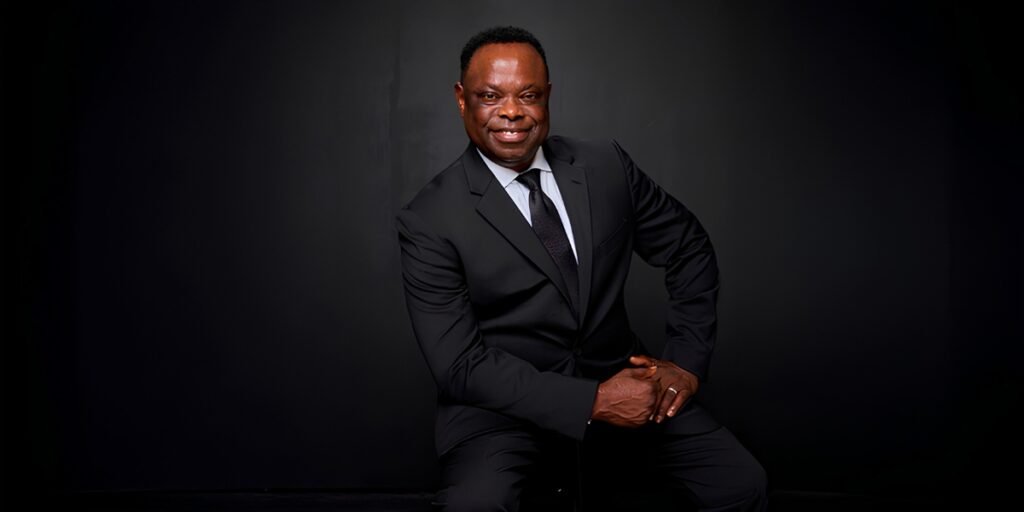


Many students who want to become doctors begin with science. Nico began somewhere else, with the families he met who already knew what they needed and could not find their way to it.
He was in eighth grade when he started volunteering with FCSN, an organization supporting individuals with special needs, first as an assistant teacher and then, within a year, leading weekly classes of his own. What he learned there had little to do with dance, choir, or social skills, the subjects he was actually teaching. It was that the families around him were not short on determination. They were short on information. That observation has since shaped a resource portal, a set of employer partnerships, and the way he describes what a physician is for. The settings change. The observation does not.
What the Classroom Revealed
Nico’s role at FCSN grew quickly. He entered as an assistant working under lead instructors and was promoted the following year to lead classes himself, a position he still holds alongside mentoring the junior assistant teachers who came in after him. Weekly contact with the same families over several years gave him a longer view than most volunteers get.
One family he worked with closely was trying to resolve long-term living and caretaking arrangements while simultaneously watching for job openings and hiring fairs, without any reliable sense of where to look. Working with them directly, he was able to pass along available resources, upcoming job fairs, and referrals to employers open to hiring. Nothing he gave them was secret or scarce. It simply had no path leading to it. The support existed. The connection did not.
Building the Connection
Care Pathways is Nico’s attempt to make that connection permanent rather than dependent on whoever happens to be in the room. It is a website, deliberately plain, designed for ease of access rather than visual ambition. A family arriving on it finds employment and education resources, both online and physical, and the option to book live help with browsing them, drafting a resume, or writing an application essay.
He is careful about where it stands. Most of the infrastructure is built, but the project remains in development. There are businesses he has not yet connected and volunteers he still needs to staff live sessions and run planned workshops. He does not describe it as finished.
What is finished is the process, and its design reveals what he thinks the portal is actually for. Before a session, a family completes a short questionnaire covering their situation, capabilities, independence, work ethic, and communication skills, so that whatever resume or essay comes out of it reflects real strengths rather than a template. Sessions run from ten minutes to an hour depending on need. Afterward, a follow-up questionnaire asks two things: whether the person’s confidence changed, and whether they now feel they could find these opportunities more easily on their own. He built the exit question into the system before the system had users. The goal was never dependency on the portal. It was the opposite.
The Employers on the Other End
A portal is only as useful as what it points toward, which is why Nico’s work has increasingly moved outward toward institutions.
Turtleworks is a family-run apparel company specializing in custom embroidery for school uniforms, company merchandise, and sports teams. It already employs and trains groups of young adults with special needs, and Nico has connected candidates to it directly from FCSN. It is one of several employers in his growing network offering both positions and training.
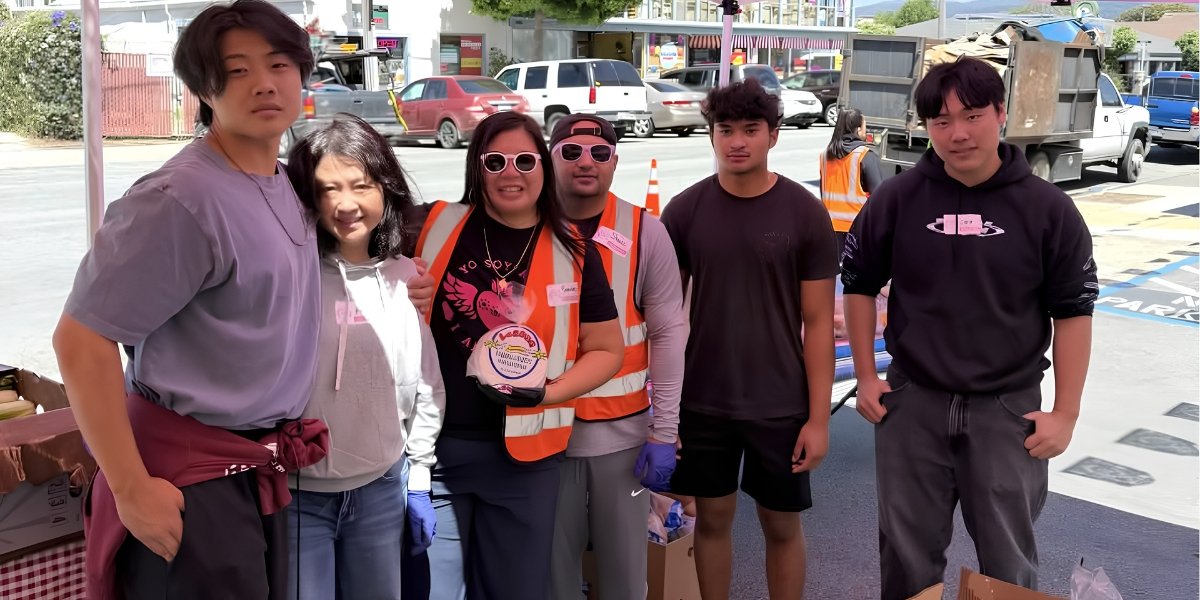
ALAS, a Latino support nonprofit serving the coastal region, provides resources for farmworkers and collaborates with universities including Stanford on special needs research and referral. That partnership is early. Conversations are ongoing about connecting ALAS to Care Pathways and potentially to FCSN, and Nico says plainly that nothing is settled.
He is equally plain about what these relationships changed. They let him send families toward concrete places, real employers running real programs, instead of only toward links on a page. His case to businesses is not a request for charity. Participating employers gain a wider applicant pool and visibility through planned workshops, and he intends to fundraise so that hiring individuals with special needs becomes more workable for smaller companies.
The Habit That Makes It Possible
Work, as this fails quietly, through attrition rather than collapse, which makes Nico’s record of not abandoning things relevant rather than incidental.
He helped start his school’s first football team, which required more persuasion than enthusiasm. He was not a fan, importing a passion. He was skeptical of the sport, and getting past his own skepticism was the first step. What followed was recruitment from a student body of scientists and mathematicians, then a captaincy over a first-year team with no designated coach at the outset, moving from paper to players in pads in roughly a month. The hard part was the season itself, holding together a squad with no bench through injury and illness while the average player carried six to eight AP courses. “People regret not doing things more than actually doing them,” he says, which is less a slogan than an explanation of why he stayed.
He is now a varsity captain in both football and volleyball, and he describes leading them as genuinely different tasks. Volleyball is structured and immediate, everyone within arm’s reach, focus managed between plays. Football is captained unit by unit across a wider field, with influence extending into practices and the offseason.
He also knows the difference between persistence and inertia. He played piano from the age of six and kept at it into high school before admitting he disliked it, was not improving, and could not give it real effort alongside everything else. He quit. From someone whose default is to keep going, the decision to stop is arguably the more instructive one.
What the Job Actually Is
Nico intends to study medicine, and his definition of the profession runs directly through everything above. A doctor’s identity, he argues, is not built solely on the moment a life is saved. It is built through systemic leadership and community impact, which means listening to people who are struggling, offering guidance before crisis, and extending help past the clinical encounter. Memorizing a medical textbook, in his framing, takes months. Building access for people who cannot find it on their own is the harder work, and the more defining one.
Care Pathways is not finished yet. The instinct behind it already is.