


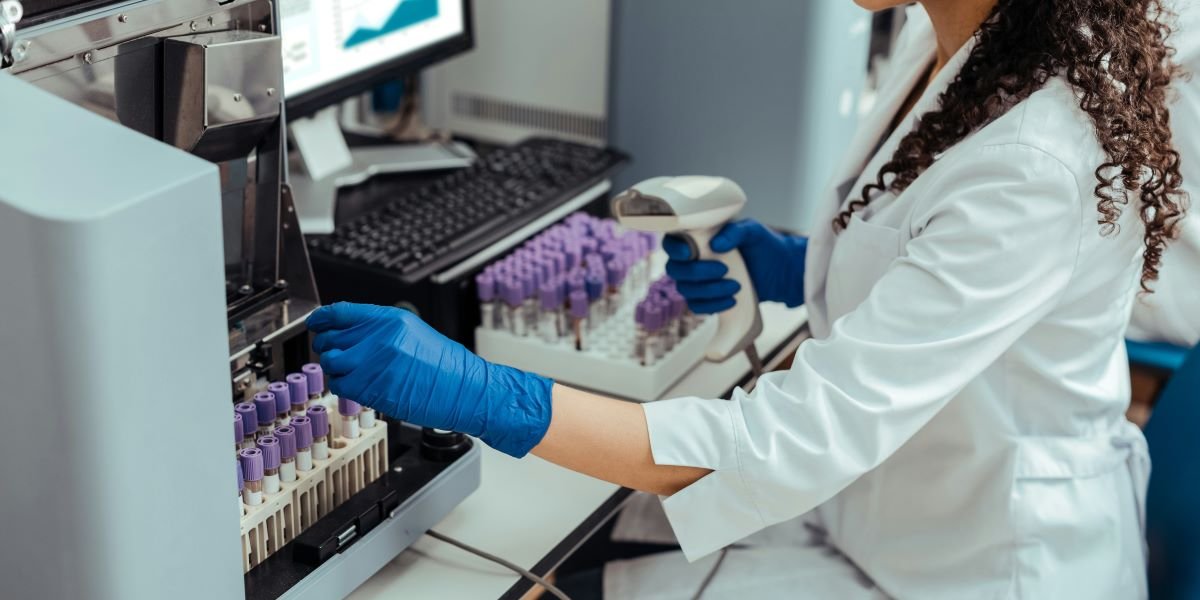
Gene-modified pancreatic islet cells transplanted into a patient with long-standing type 1 diabetes have survived and continued producing insulin for more than 14 months without any immunosuppressive drugs, according to peer-reviewed data published on July 13, 2026, in The New England Journal of Medicine. The follow-on publication, authored by clinicians at Uppsala University Hospital in Sweden, represents the longest reported period in which transplanted insulin-producing cells have evaded the immune system without pharmaceutical protection — a milestone that moves the field closer to a one-time treatment for a disease that currently requires lifelong insulin management for approximately two million Americans.
Key Takeaways
- A peer-reviewed Letter to the Editor published in The New England Journal of Medicine on July 13, 2026, confirmed that hypoimmune-modified islet cells continued producing insulin at 14 months post-transplant with no immunosuppression
- The transplanted cells were engineered using Sana Biotechnology’s hypoimmune platform (HIP) technology, which applies CRISPR-Cas12b editing and lentiviral transduction to make cells invisible to the recipient’s immune system
- C-peptide levels — a biomarker of endogenous insulin production — remained stable and glucose-responsive at 14 months, comparable to the levels measured during the first six months after transplantation
- The patient achieved tighter glycemic control between months 12 and 14 of the study, according to Sana Biotechnology
- Sana Biotechnology plans to file an Investigational New Drug application for SC451, a stem cell-derived version of the therapy, as early as 2026 and initiate a Phase 1/2 clinical trial
How Does the Hypoimmune Approach Differ From Existing Cell Therapies?
The central challenge in cell transplantation for type 1 diabetes has never been the transplant itself — it has been keeping the transplanted cells alive inside a body whose immune system is programmed to destroy them. The only FDA-approved islet cell therapy, CellTrans’ Lantidra (donislecel), received approval in 2023 but requires patients to take lifelong immunosuppressive medications that carry serious side effects, including heightened susceptibility to infections and increased cancer risk. Vertex Pharmaceuticals’ investigational therapy zimislecel, which demonstrated that 10 of 12 clinical trial participants achieved insulin independence at one year, also requires ongoing immunosuppression.
Sana Biotechnology’s approach eliminates that requirement entirely. The company’s hypoimmune platform uses CRISPR-Cas12b gene editing and lentiviral transduction to modify the surface of donor-derived islet cells, stripping away the molecular markers that would normally trigger an immune response. The modified cells — designated UP421 in this investigator-sponsored study — are transplanted intramuscularly into the patient’s forearm rather than infused into the liver via the hepatic portal vein, which is the delivery method used by both Lantidra and zimislecel.
The forearm placement serves a dual purpose: it provides a clinically accessible site for monitoring and biopsy, and it tests whether hypoimmune-modified cells can survive and function outside the traditional liver infusion environment. The fact that the cells have continued producing insulin at 14 months in an intramuscular site, without pharmaceutical immune protection, represents a proof of concept for both the hypoimmune engineering and the alternative transplant location.
What Did the 14-Month Data Show?
The study, conducted at Uppsala University Hospital under principal investigator Per-Ola Carlsson, transplanted a low dose of HIP-modified primary islet cells into a single patient with long-standing type 1 diabetes in December 2024. The primary objective was safety, with secondary endpoints including immune evasion, cell survival, and C-peptide production. C-peptide is a protein released alongside insulin during its production and serves as a reliable biomarker for measuring how much insulin the body is generating on its own.
Initial 12-week results, published in The New England Journal of Medicine in August 2025, showed no immune response against the gene-edited cells and stable, glucose-responsive insulin secretion. The July 13, 2026, follow-on publication extends that data to 14 months, confirming that fasting and mixed-meal-tolerance-test-stimulated C-peptide levels remained present and functional, comparable to the readings observed during the first six months after transplantation. The patient was also able to achieve tighter glycemic control between months 12 and 14, suggesting that the transplanted cells’ function may have improved over time rather than degrading.
Four adverse events occurred during the study period, none of which were classified as serious or related to the study drug. Because the study was designed as a first-in-human safety assessment using a low cell dose, it was not intended to demonstrate full insulin independence or eliminate the patient’s need for exogenous insulin. The purpose was to establish that hypoimmune-modified cells can survive long-term without pharmaceutical protection — a threshold the 14-month data now clears.
What Comes Next for This Technology?
Sana Biotechnology is advancing a follow-on candidate called SC451, which applies the same hypoimmune platform technology to stem cell-derived islet cells rather than donor-derived cells. The distinction is significant for scalability: donor-derived therapies like UP421 depend on deceased-donor tissue supply, which is inherently limited. A stem cell-derived product could theoretically be manufactured at scale, making the therapy accessible to a broader patient population.
Sana Biotechnology CEO Steve Harr stated that the company’s goal is “to offer patients a single treatment that delivers durable, normal blood glucose without the need for exogenous insulin or immunosuppression.” Sana Biotechnology expects to file an Investigational New Drug application for SC451 and initiate a Phase 1/2 clinical trial as early as this year. A recent FDA INTERACT meeting reportedly increased the company’s confidence in moving forward with its GMP master cell bank for SC451 and the IND filing timeline.
The broader implication extends beyond type 1 diabetes. Sana Biotechnology has stated that it expects the hypoimmune study data to be generalizable across multiple cell types and patient populations, meaning the same immune-evasion engineering could potentially be applied to cell therapies for other conditions where transplant rejection is the primary barrier to treatment.
Disclaimer: This article is for informational purposes only and does not constitute medical advice. Readers should consult qualified healthcare professionals regarding any medical conditions or treatment options.
FAQs
What is UP421? UP421 is an allogeneic primary human pancreatic islet cell therapy engineered with Sana Biotechnology’s hypoimmune platform technology. The cells are derived from a deceased donor and gene-edited using CRISPR-Cas12b to evade the recipient’s immune system without requiring immunosuppressive drugs.
How long have the transplanted cells been producing insulin? The transplanted cells have been producing insulin for more than 14 months as of the data published on July 13, 2026. C-peptide levels, which indicate insulin production, remained stable and glucose-responsive throughout the study period.
Does the patient still need insulin injections? The study used a low cell dose designed to test safety and immune evasion, not to achieve full insulin independence. The patient continues to use exogenous insulin, though tighter glycemic control was observed between months 12 and 14.
What is the difference between UP421 and SC451? UP421 uses donor-derived islet cells modified with Sana Biotechnology’s hypoimmune platform, while SC451 uses stem cell-derived islet cells with the same platform. SC451 is designed for scalable manufacturing and is being advanced toward a Phase 1/2 clinical trial as early as 2026.
How many people in the United States have type 1 diabetes? Approximately two million people in the United States live with type 1 diabetes, according to the American Diabetes Association. The condition typically requires lifelong insulin management through injections or insulin pumps.
What makes hypoimmune technology different from other cell therapies? Hypoimmune technology uses gene editing to modify cells so they are not recognized by the recipient’s immune system, eliminating the need for immunosuppressive drugs. Existing approved islet cell therapies, such as CellTrans’ Lantidra, require lifelong immunosuppression to prevent rejection.