

By: Natalie Johnson
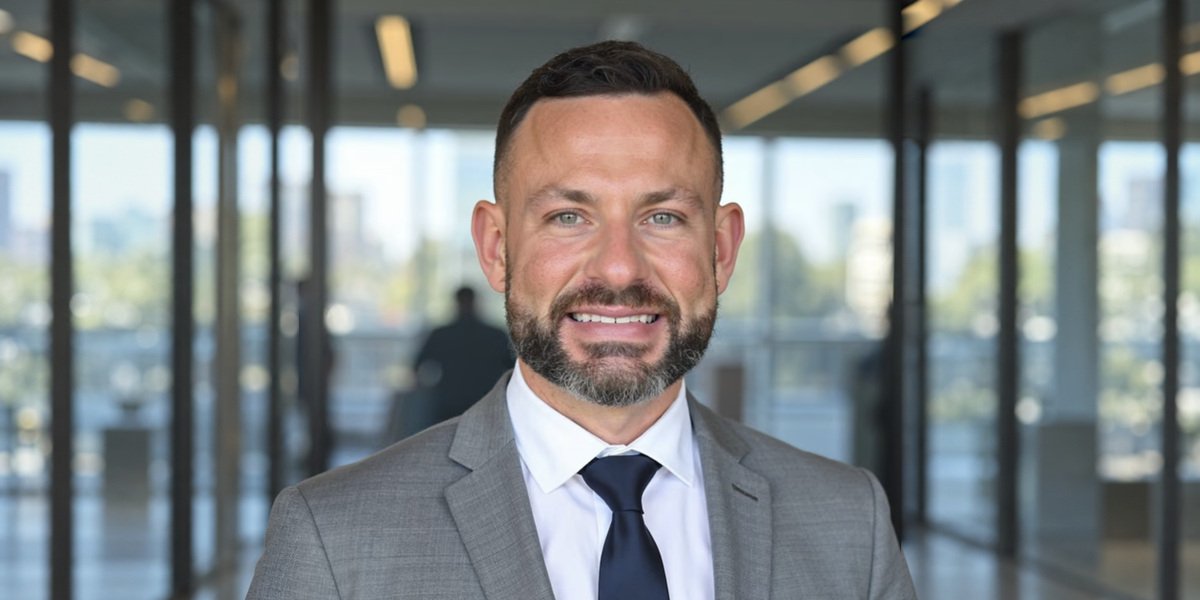
As the commercial property market evolves, buyers will see the value of experienced, proactive brokers. For three years, a hard market did the work of proving value. Capacity was scarce, renewals were painful, and simply getting a program bound at a survivable price looked like a win. That narrative has since evolved. With rates softening and capacity returning across 2025, 2026, and expected to continue into 2027, quotes are easier to come by, and the easier they get, the harder it becomes to tell a technically sharp broker from one who is good at collecting them. Dave Nickelson-Rueschhoff, a broker who has also sat in underwriting and catastrophe modeling seats, argues that the distinction is not cosmetic. It shows up in what the client ends up owning after the deal closes.
Reading The Real Obstacle
The most expensive mistake in a difficult placement is misdiagnosing why it is difficult to begin with. A carrier says the occupancy is a problem, or the catastrophe exposure is too high, and a broker who takes that at face value immediately starts pushing on price. Nickelson-Rueschhoff treats those statements as the beginning of the inquiry rather than the end of it. “The broker needs to open the hood and get underneath that response,” he says. “Is the concern the expected loss, uncertainty around the property data, loss-control deficiencies, or the carrier’s available capacity? Each calls for a different approach.” Those are four different problems with four different remedies, and only one of them is solved by arguing about rate.
Get the diagnosis wrong and the cost lands on the client, not the broker. A placement where the real obstacle is the deductible, the limit requested, or an unanswered engineering question will absorb weeks of pressure on price and produce nothing. What the client experiences is repeated information requests, surprises arriving late in the renewal cycle, and a thinner set of credible options than they should have received. Nickelson-Rueschhoff is careful not to turn this into a credentialing argument. Underwriting experience is not a prerequisite, he says, and plenty of strong brokers build the same judgment through years of close work with underwriters. The non-negotiable part is understanding how the other side reaches a decision, because that understanding is what separates a submission that answers objections in advance from one that invites them.
Negotiating Against The Right Number
Knowing how a rate is built changes the shape of a negotiation. A general request for a discount, Nickelson-Rueschhoff points out, rarely moves the underwriting analysis at all, because it does not touch any of the components the analysis is made of. He works backward instead. “Is it being driven by the loss estimate, an uncertainty load, the occupancy assumptions, or the credit given for our chosen deductible?” Isolate the driver, then bring evidence or a structure that speaks to that specific driver. The underwriter walks away with something defensible internally, which is the only currency that reliably produces a different answer.
The same knowledge tells him when to stop. If the constraint is catastrophe aggregation or a carrier’s minimum price for deploying capacity, no amount of argument about building characteristics will help, and the conversation needs to move to a different attachment point, a different participation, or a different market entirely. That restraint is underrated. Brokers who cannot tell a soft objection from a hard constraint burn relationship capital on arguments they were never going to win, and the client absorbs the delay. His framing of the work is unsentimental: know what you are asking the underwriter to reconsider, know why it is defensible, and know whether the concession you are offering is worth what comes back. Modeling discipline sits underneath all of it, including the warning not to oversell a number. Better information on construction or secondary characteristics can genuinely change how a risk is evaluated, but he is deliberate about not presenting precision as certainty.
Spending A Soft Market Properly
A softening market is a test, not a reprieve, and Nickelson-Rueschhoff is blunt about the failure mode. “A premium reduction alone doesn’t tell me we’ve done our job,” he says. The questions that matter are whether the wind deductible came down, whether a restrictive endorsement came out of the program, whether business interruption coverage got broader, and whether the program is still built around capacity shortages that no longer exist. Structures put in place during scarcity have a way of outliving the scarcity, quietly, for years, because nobody revisits them when the market improves. There is a related trap on the buying side. A cheaper limit is not automatically a good limit, and he will not recommend more insurance simply because the price dropped without establishing that it is a sound use of the client’s capital.
New capacity deserves the same scrutiny. Coverage terms, claims capability, and fit within the broader program are not settled by the lowest quote. Meanwhile, AI-driven risk scoring is pushing more of the underwriting assessment into automated territory, and his modeling instinct applies cleanly: question the inputs before debating the output. That makes property data a year-round responsibility rather than a renewal scramble. Construction details, roof condition, valuations, and protection features need an owner and documentation, and a replaced roof or upgraded fire protection needs to reach carriers during the renewal exercise. Where an assessment is unfavorable, the broker should press to understand the material concerns, correct factual errors, and pull an underwriter into the conversation when the score misses something. “The goal shouldn’t be to manage the business to a score,” he says. “It should be to understand the exposure, improve it where practical, and make sure the underwriting decision reflects the property as it exists.” That interpretive role, knowing when to accept the analysis and when to challenge it, is where he sees broker value concentrating next.
Follow Dave Nickelson-Rueschhoff on LinkedIn for more insights on commercial property placement, catastrophe exposure, and underwriting strategy.
Disclaimer: This article is for informational purposes only and does not constitute professional insurance, financial, or legal advice. Insurance coverage, premiums, and underwriting decisions vary based on individual circumstances, policy terms, and insurer requirements. Readers should consult a qualified insurance professional before making coverage decisions.