


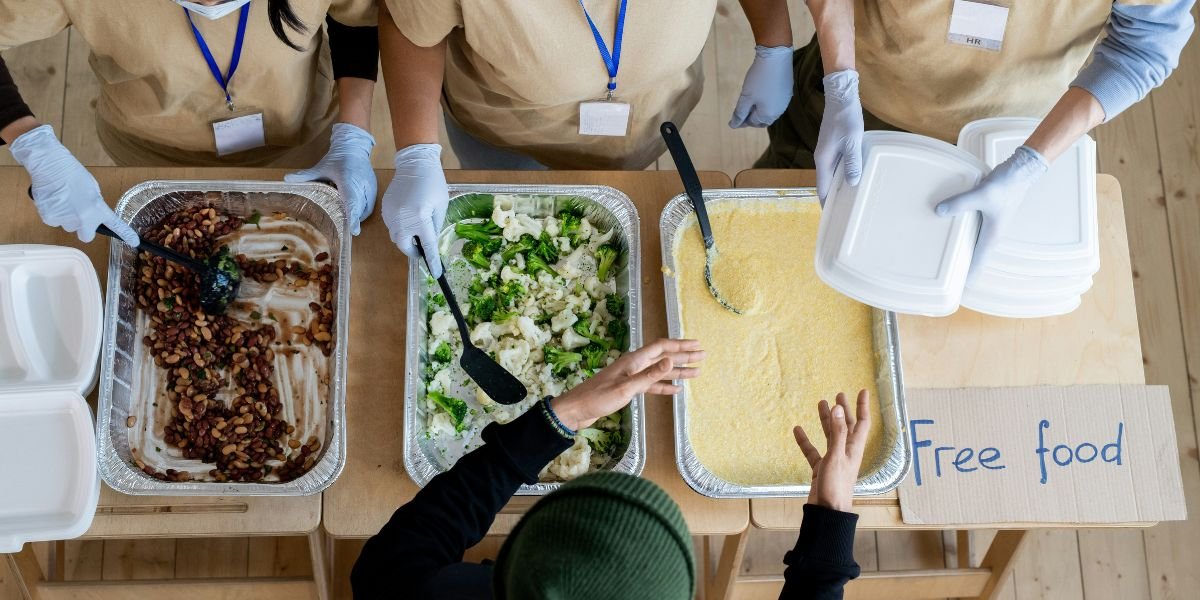
Feeding programs serve more than just meals—they represent a lifeline for families, children, and communities facing economic hardship or food insecurity. Whether delivered through schools, community centers, or emergency responses, Convoy of Hope’s programs often act as a stabilizing force.
The Role of Feeding Programs in Meeting Basic Needs
In many low-income areas, children rely on school-based meal programs as their primary source of daily nutrition. Without these meals, many would go through the day hungry, which affects their ability to focus and thrive. In emergency settings, such as after natural disasters, feeding initiatives provide immediate relief while helping stabilize affected communities. They can also act as a bridge during long-term recovery, giving families one less thing to worry about.
Beyond providing food, these programs offer a sense of consistency and structure. Families experiencing hardship often find reassurance in knowing that at least one meal a day is covered, easing daily stress and allowing them to focus on other essential needs. This stability can be especially important during seasons of unemployment or rising living costs.
Health and Educational Benefits
Nutritious meals provided through programs play a vital role in supporting physical well-being, particularly in growing children. Students who eat well are more likely to stay alert and engaged during class. Schools that have implemented consistent meal services often report better attendance, improved test scores, and more positive classroom behavior. In some areas, the introduction of feeding programs has been linked to a noticeable decrease in dropout rates, as children are more motivated to attend school when meals are assured.
In areas with limited healthcare access, a reliable meal can serve as preventive care. Children no longer have to struggle with the physical effects of hunger, and teachers can focus more on instruction than managing fatigue or distraction caused by undernourishment. This also allows educators to build stronger relationships with students, as basic needs no longer overshadow learning.
Economic Relief and Local Job Support
Feeding programs lighten the financial burden on families, especially those living paycheck to paycheck. When parents don’t have to stretch their budgets to cover every meal, they can redirect resources toward housing, transportation, or other critical expenses. This reprioritization can often improve the overall quality of life for entire households, particularly in high-cost urban areas.
These programs also create employment opportunities. From farmers and delivery drivers to cooks and cafeteria workers, a network of jobs supports the infrastructure behind each meal served. In rural regions, collaborations with local growers help keep food supply chains short, supporting the regional economy and building up stocks in case of national shortages.
Some communities have expanded feeding efforts into social enterprises. Kitchens that once served only schools now prepare meals for elderly residents or people experiencing homelessness, turning a basic service into a broader source of employment and community care.
Community Engagement and Social Equity
Feeding programs often serve as a unifying force in communities, bringing together people from different backgrounds under a shared mission of care and support. When meals are distributed without judgment or barriers, it reinforces the message that everyone deserves dignity and nourishment, regardless of their circumstances. This open-door approach helps build trust between service providers and those in need.
In neighborhoods historically overlooked by public services, these programs can become a gateway to broader community participation. Local volunteers, parents, and youth often get involved, creating a sense of ownership and pride. Participation can extend into other community initiatives, such as neighborhood cleanups or educational workshops.
Measuring Impact and Planning for Growth
Tracking the success of these initiatives goes far beyond counting plates. Data on academic performance, health outcomes, and family stability can offer a fuller picture of how deeply these programs influence lives. When stakeholders understand the wider benefits, support becomes more sustainable and strategic.
Some programs scale by adapting to each region’s unique needs. What works in an urban school might not be suitable for a rural village, and recognizing that allows for smarter growth. Flexible models backed by real-time feedback often lead to more lasting success. Tailoring solutions to local demographics and cultural preferences also improves participation.
Ongoing investment from both public and private sectors is essential. When governments, nonprofits, and businesses collaborate, they can amplify reach and ensure these programs don’t just survive, but truly thrive over time.