


By: Natalie Johnson
Every organization carries a cost that no finance team has ever coded to a line item. It never appears in the quarterly review. It appears on a Monday morning, when a team that was sprinting on Friday quietly decides to wait and see.
The pattern is familiar. A leader makes a call. The team moves. The call changes. Then it changes again. Each shift may be defensible, even smart. But the reasoning never leaves the room where it was made.
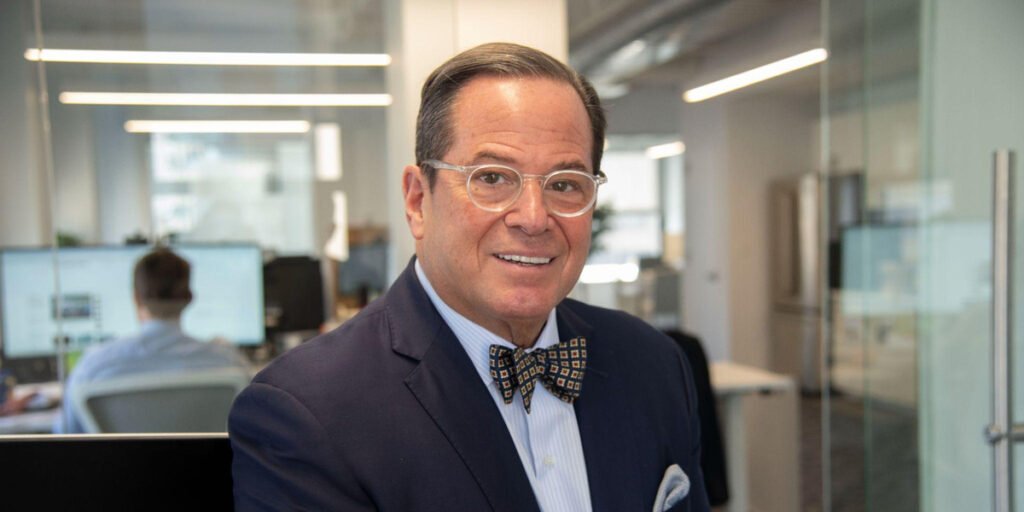
Richard A. Hinton, an executive coach and People strategy consultant with more than 20 years in People leadership, calls this the leadership habit that quietly costs organizations the most. Not because change is bad. “Change is part of leading anything that’s growing,” he says. “The cost comes when the plan shifts and nobody explains why.”
What follows isn’t a communication hiccup or a dip in the engagement scores. It’s a slow withdrawal from the one account execution can’t run without. Trust.
How The Bill Arrives Late
The mechanics are simple, and a little brutal. After the second or third unexplained reversal, people stop committing. They wait. They do the minimum, because experience has taught them the plan won’t last the month.
From the executive floor, that looks like a motivation problem. So, leaders reach for the usual fixes. A culture survey. A new incentive. A town hall with better snacks. “That looks like an engagement problem,” Hinton says. “It’s a trust problem.”
The distinction matters because the two diagnoses point in opposite directions. One asks how to make people care more. The other asks why they stopped believing the work would survive contact with Monday.
The symptoms show up everywhere except the budget. Missed deadlines. Rework. Strong performers who used to push back and now just nod. “By the time it shows up as turnover, you’ve been paying for months,” Hinton says. That lag is the trap. The damage gets booked long after the behavior that caused it, so the leader never connects the two.
Hinton has come across the pattern in organizations of every size, in client work and in-house. One case stays with him. A team was told to do one thing. Then stop. Then do something else. Then stop. Then go back to the original plan. It happened so often it became the operating rhythm.
The first costs were the obvious ones: lost time, restarted projects, people burning out on effort that went nowhere. The deeper cost took longer to surface. “People stopped taking the leader seriously,” he says. “They complained to each other instead of raising it, because raising it hadn’t changed anything. Some checked out while still showing up.”
Hinton was in the People seat, championing the team and trying to coach leadership through it. It didn’t land. Eventually he started to disengage too. Nobody ever learned why the changes were happening. “Maybe there were good reasons,” he says. “The missing why did more damage than any single bad decision.”
Why Smart Leaders Cannot See It
Here’s the uncomfortable part. The leaders who do this are rarely careless. Most are reacting to something real: new information, pressure from a board or a client, a creeping worry that the first call was wrong. Changing course feels responsible. Often, it is.
The failure isn’t the judgment. It’s where the judgment lives. “It stays in the leader’s head, or in a meeting the team wasn’t part of,” Hinton says. “From the top, each change is a logical next step. From the team’s seat, it’s whiplash.” Same decision, two completely different events. Only one side gets the reasoning.
Seniority makes it worse. The higher a leader sits, the less honest information reaches them. Nobody walks into the corner office to announce they’ve stopped believing in the plan. They nod, and then they quietly protect themselves. “So, the leader reads silence as alignment,” Hinton says.
The risk sharpens in companies without a strong People function, or where the People leader lacks the standing to push back. The counterweight to a confident executive simply isn’t in the building. Hinton’s test is short and hard to argue with: “If you haven’t asked, and made it safe to answer, you don’t know.”
Most leadership dashboards are built to confirm alignment, not detect its absence. Which is why this problem so often introduces itself in the exit interview.
What To Do Before You Announce the Change
Hinton’s prescription starts with restraint, which runs against every instinct a decisive executive has. “Pause. That’s the first thing I tell leaders,” he says. “The instinct is to announce the change the moment you’ve decided. Don’t.”
Get clear with yourself before anyone else. Are you solving the real problem, or reacting to pressure? “Think it through first,” Hinton says. “What’s actually changing, who it affects, and what stays the same.”
Next, find the key stakeholders and bring them along. Not just inform them. Make sure each one understands the logic well enough to explain it to their own team.
Then plan the cascade, because change doesn’t land where it’s decided. “It lands three levels down, with the people doing the work,” Hinton says. “If the message gets lost on the way, the reversal is all they’ll see.”
Communicate more than feels necessary. Then do it again. Attach the why every single time. And add the piece most announcements skip: what’s in it for the people being asked to move. “People respond to change when they can see themselves in it,” he says. “Skip that, and even a good decision feels like something done to them, not with them.”
The Person Who Nods
Hinton talks about this with the authority of someone who has been on the losing end. In that same role, the trust between him and the leader broke down. So, he stopped being honest. He agreed in meetings, kept his real read to himself, and stayed in his lane. “I became the thing I warn leaders about,” he says. “The person who nods and keeps quiet.”
Part of that was the environment. Part of it, he admits, was him. “I hadn’t yet built the self-worth to say my voice mattered.”
That experience is the case for bringing someone in from the outside. Hinton doesn’t report to the leaders he coaches, so he can name what he sees without shrinking to keep the job. It’s also why he pairs coaching with People strategy. “Coaching helps leaders hear what their team won’t say,” he says. “People strategy builds the structure, so honesty doesn’t depend on one brave person.”
He doesn’t soften the ending. “I know what silence costs. I paid it myself. I don’t anymore.”
Richard A. Hinton is the founder of Richard A. Hinton LLC, where he works with leaders as an executive coach and People strategy consultant. His work rests on one idea: execution runs on trust. To explore coaching or consulting with Richard, visit Richard A. Hinton’s website. Follow him on LinkedIn for more on trust, leadership, and the decisions that shape how organizations move.